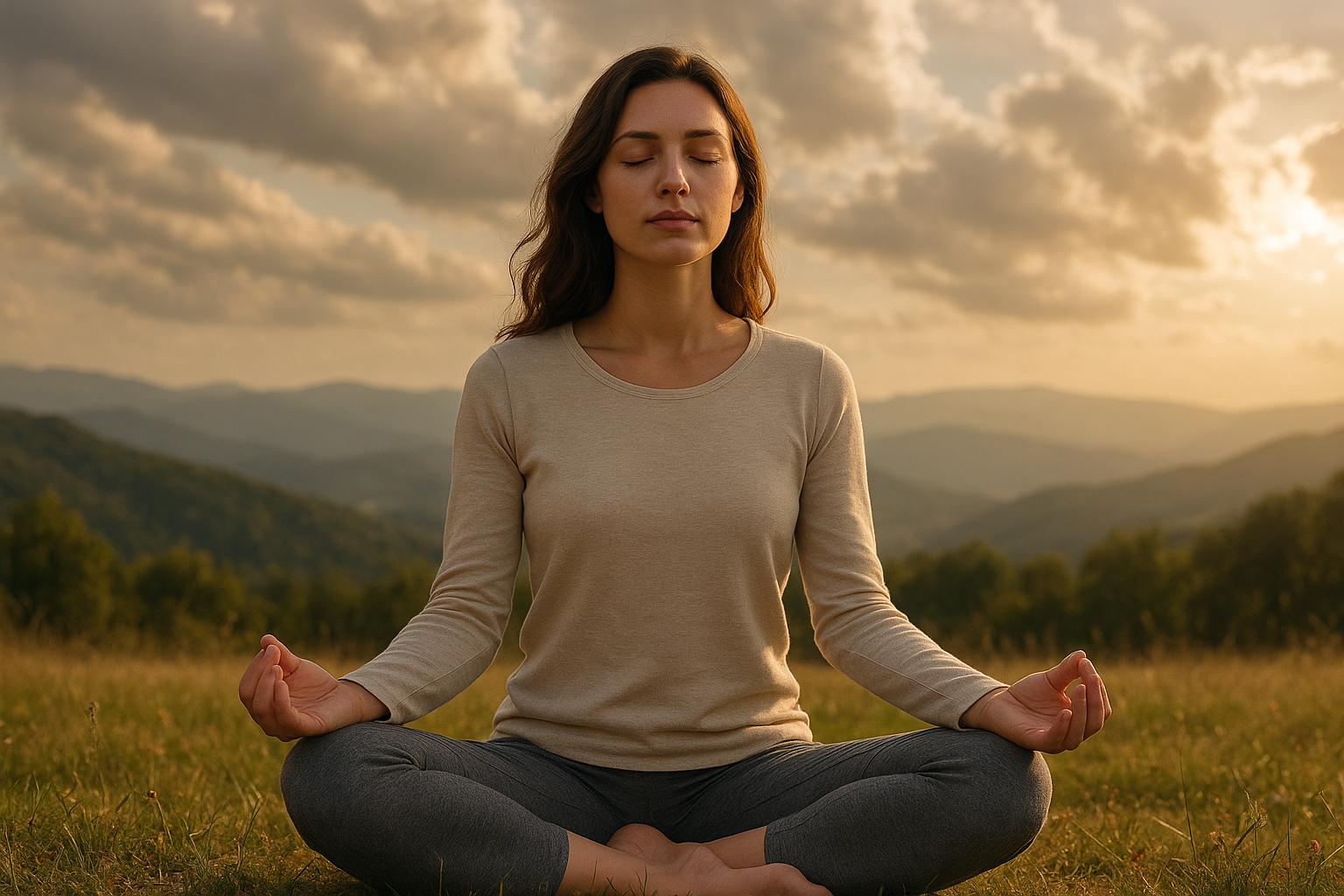
Peace Methods for Turbulent Times: Harmonizing Body, Mind, and Soul
The quest for peace is as old as humanity itself. In today’s fast-paced world, filled with constant distractions and pressures, finding tranquility can seem like an insurmountable task. However, by focusing on harmonizing the body, mind, and soul, one can achieve a state of peace even amidst chaos.
Understanding the Interconnection
The first step towards peace is understanding the interconnection between the body, mind, and soul. The ancient wisdom of holistic health posits that these three elements are deeply intertwined, influencing each other in both subtle and profound ways. According to the World Health Organization, mental health conditions often lead to physical health complications, and vice versa, illustrating the significant overlap.
“Peace does not mean to be in a place where there is no noise, trouble, or hard work. It means to be in the midst of those things and still be calm in your heart.”
—Anonymous
The Body: Grounding Peace in Physical Well-being
- Exercise and Movement: Physical activity is a proven stress reliever. Whether it is yoga, running, or tai chi, regular movement releases endorphins that can lead to a happier, calmer state of mind. According to studies, exercise has been shown to decrease levels of tension, improve mood, and enhance overall sense of well-being.
- Nutrition: Consuming a balanced diet not only supports physical health but also mental health. Foods rich in omega-3 fatty acids, like salmon and flaxseeds, are known to reduce anxiety and depression. A study published in the “Lancet Psychiatry” highlights the link between nutrition and mental wellness.
- Sleep: Adequate rest is essential for the body to recover and rejuvenate. Sleep disturbances can exacerbate stress and anxiety, making it crucial to establish a calming nighttime routine to aid in relaxation and restful sleep.
The Mind: Cultivating Inner Tranquility
- Meditation: This ancient practice has garnered attention for its ability to enhance concentration and reduce stress levels. Techniques such as mindfulness meditation encourage individuals to focus on the present moment, thereby reducing anxiety related to past or future concerns. According to “Mindful.org“, meditation helps regulate emotions and enhance mental clarity.
- Cognitive Behavioral Therapy (CBT): This therapeutic approach focuses on altering negative thought patterns, promoting healthier thinking, and consequently, a more peaceful mind. CBT can be an effective tool for managing stress, anxiety, and depression.
- Mindfulness Practices: Incorporating mindfulness into daily activities, such as mindful breathing or mindful eating, encourages a deeper awareness and appreciation of the present moment, promoting a sense of peace.
The Soul: Finding Peace Within
- Connecting with Nature: Spending time outdoors can deeply nourish the soul. The Japanese practice of shinrin-yoku, or “forest bathing,” is known for its soothing effects on the spirit. Numerous studies, like those published in “Health Environments Research & Design Journal“, support the calming and restorative benefits of nature.
- Spiritual Practices: Engaging in spiritual activities, whether through organized religion or personal spiritual exploration, can offer comfort and peace. Practices such as prayer, chanting, or spiritual reading can help align the soul towards peace.
- Artistic Expression: Engaging in creative pursuits like painting, writing, or music can provide an outlet for emotional expression and soul healing. Creativity allows for self-reflection and can be a profound means to spiritual peace.
Integrating Peace Practices into Daily Life
While understanding these practices is crucial, their real power lies in integration into daily life. By dedicating even small, consistent time each day to nurturing the body, mind, and soul, one can cultivate an inner sanctuary of peace. Consistency is key—it’s not about achieving perfection, but rather gradually building a balanced routine.
Personal Reflection
Reflection and self-inquiry can enable deeper understanding and integration of peace practices. Journaling offers an effective way to engage in self-reflection, helping to track progress and areas for growth.
“Sometimes the most important thing in a whole day is the rest we take between two deep breaths, or the turning inwards in prayer for five short minutes.”
—Etty Hillesum
Finding Community Support
Lastly, peace is often best sustained in the company of others. Engaging with communities, whether through local wellness groups, meditation classes, or online forums, provides support and encouragement. Sharing experiences and learning from others can deepen one’s understanding and commitment.
In conclusion, harmonizing the body, mind, and soul is an effective approach to finding peace amidst turbulence. Through thoughtful integration of these methods, one can foster resilience and nurture a lasting sense of tranquility in everyday life.