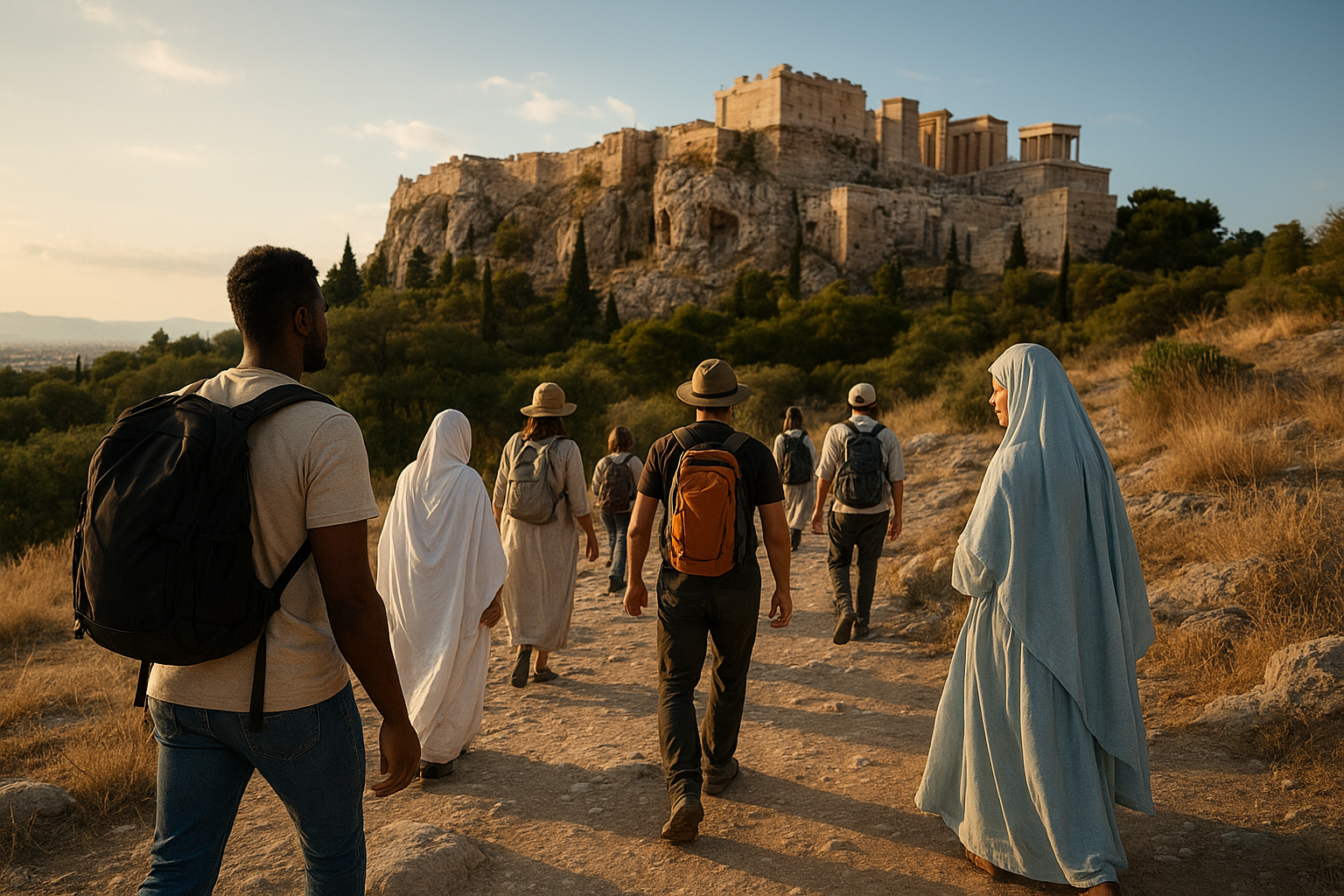
Holy Pilgrimages Reimagined: Modern Journeys to Ancient Sacred Sites
Throughout history, pilgrimage has been a cornerstone of spiritual expression, offering individuals a means to connect deeply with their faith, find solace, and seek change. As we navigate the complexities of the modern world, these journeys endure, now reimagined and redefined to accommodate contemporary needs while preserving the spiritual essence that has captivated millions over the ages.
The Timeless Appeal of Pilgrimages
Pilgrimages have always served as a powerful vehicle for spiritual growth. In the words of scholar Joseph Durkin, “Pilgrimages grant believers an opportunity to step away from the life they know and enter into a space where the divine feels eminently possible.” These journeys are not only about reaching a destination but also about the transformations experienced along the way.
Reinterpreting Pilgrimage in Today’s World
Modern pilgrims often seek experiences that align with their personal beliefs and values, allowing ancient paths to be rediscovered and embraced with new intentions. Here are some of the ways in which they have been reimagined :
- Eco-Pilgrimages: Environmental consciousness infuses modern journeys as pilgrims combine spiritual quests with ecological mindfulness. For instance, in Camino de Santiago, travelers are encouraged to practice sustainability and raise awareness about the environmental impact of their paths.
- Digital Pilgrimages: Virtual reality and digital platforms enable people who cannot travel physically to still engage spiritually. Online tours and experiences offer new ways to connect with places like Rome’s Vatican or Israel’s Holy Land.
- Inner Pilgrimages: Some see the journey as introspective rather than physical. Individuals undertake meditation retreats or spend isolated time reflecting on their spiritual beliefs.
Ancient Paths with Contemporary Guidance
The intertwining of technology and tradition is a hallmark of modern pilgrimages. Apps and digital guides enhance accessibility and provide valuable information, allowing pilgrims to plan their routes more effectively and connect with a global community of travelers. The Camino de Santiago guide app, for instance, offers maps, route suggestions, and accommodations to enrich the experience.
Modern-Day Pilgrimage Destinations
While traditional pilgrimage sites like Mecca and Jerusalem continue to draw millions, other ancient sites have experienced a rebirth in visitation. Some notable examples include:
- Machu Picchu, Peru: Once a sacred Inca city, Machu Picchu attracts pilgrims seeking connection with nature and ancient wisdom.
- Uluru, Australia: Considered sacred by the Aboriginal people, Uluru invites visitors to experience the spiritual heritage of one of the world’s oldest cultures.
- Mount Kailash, Tibet: Revered in multiple religions, this mountain is said to be the “center of the universe,” welcoming pilgrims in search of healing and transformation.
The Spirit of Community
Pilgrimages foster a sense of community among travelers, transcending cultural and religious boundaries. Anthropologist Victor Turner eloquently described this unity as “communitas,” a shared state where individuality is set aside for a greater, collective experience. This connection provides a profound sense of belonging and purpose.
“The pilgrimage is not just the exterior movement of feet from one place to another but involves a journey to the interior of oneself.” — Johnathan Smith, Religious Studies Insights
Challenges and Opportunities
Despite the transformative nature of pilgrimages, modern adaptations must navigate challenges such as commercialization, regulations, and the impact of tourism on sacred sites. However, these challenges also present opportunities to innovate and deepen the meaning of pilgrimage experiences.
Initiatives are in place to preserve the sanctity of pilgrimage sites through sustainable tourism practices and cultural education. Organizations such as the UNESCO work to protect sites of historical and spiritual significance to ensure future generations can embark on these sacred journeys.
Conclusion
In an increasingly interconnected world, pilgrimages offer a unique blend of tradition and innovation—a chance to ground oneself in history while embracing the future’s possibilities. They remind us that no matter where we are, the search for spiritual truth and transcendence is timeless and universal.
The global resurgence in pilgrimages highlights their enduring allure, proving that these ancient practices can be ingeniously woven into the fabric of modern life. Whether traveled by foot or engaged in spirit, pilgrimages continue to inspire and transform lives, forging paths to inner peace and global unity.