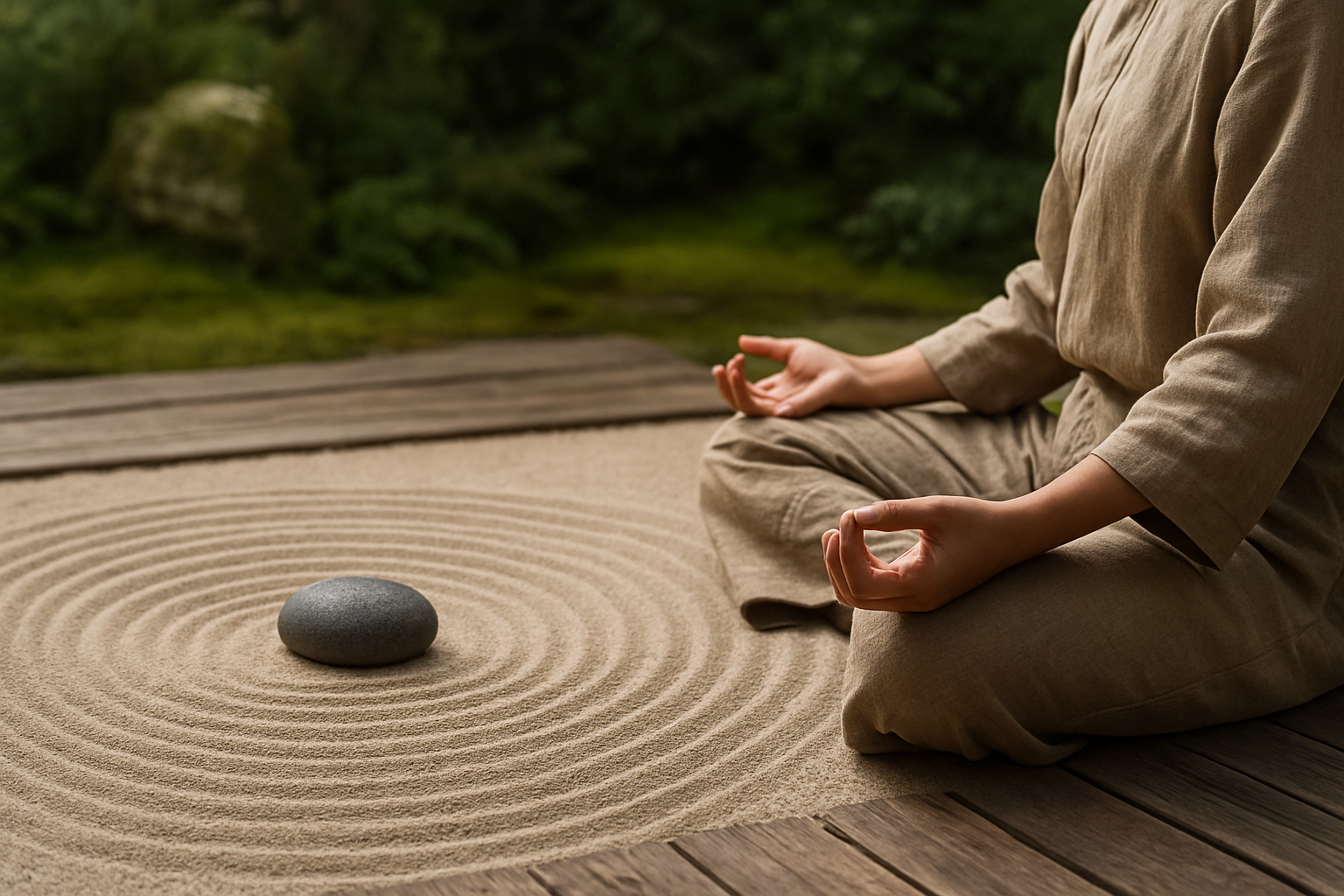
Zen Gardens of the Mind: Cultivating Inner Peace Through Meditation
In an increasingly chaotic world, finding a sanctuary of peace within oneself is essential. Many have turned to meditation as a tool to cultivate an inner zen garden—a space where tranquility and clarity can flourish.
The Philosophy and Origins of Zen Gardens
Zen gardens, also known as karesansui or dry landscape gardens, originated in Japan as a means of promoting meditation. These gardens are not designed for relaxation or recreation but serve as an aid to spiritual contemplation.
“Zen gardens are a representation of simplicity, minimalism, and the profound beauty of nature presented in the most elemental manner.”
The elements used in traditional Zen gardens—rocks, gravel, and sand—symbolize various aspects of nature, such as mountains, rivers, and seas. The deliberate placement of these elements encourages mindfulness and a deep appreciation for the present moment.
Meditation: The Gateway to Inner Landscapes
Much like tending to a physical Zen garden, meditation allows one to meticulously cultivate an internal environment of peace and mindfulness. By focusing inward, individuals can transform their mental landscapes into serene havens.
- Mindfulness Meditation: A practice centered around being fully present, where you observe thoughts and feelings without judgment. It can be likened to viewing the shifting sands of a Zen garden.
- Focused Meditation: Involves concentrating on a single point, such as the breath or a mantra, akin to fixing one’s gaze on a stone in the garden while disregarding distractions.
- Visualization Meditation: Engaging the mind in vivid imagery, possibly picturing oneself raking patterns in the sand, thus cultivating a sense of calm and order.
These meditation practices serve different purposes but ultimately guide one towards enhanced self-awareness and emotional equilibrium.
Scientific Insights into Meditation’s Benefits
Extensive research supports the positive impact of meditation on mental health. Studies published in the National Center for Biotechnology Information reveal that consistent meditation can reduce symptoms of anxiety and depression, improve attention span, and foster a greater sense of well-being.
“Meditation not only relaxes the mind but alters brain chemistry, promoting the production of serotonin and endorphins—the ‘feel good’ hormones.”
These findings underscore the potential of meditation as a powerful tool for cultivating inner peace and enhancing overall quality of life.
Designing a Personal Zen Meditation Practice
Creating a personal meditation practice that mimics the principles of a Zen garden requires dedication and mindfulness. Below are steps to help you nurture your inner garden:
- Set an Intention: Define what you hope to achieve through meditation, whether it’s stress reduction, increased focus, or emotional balance.
- Choose a Suitable Time and Place: Like a gardener selects the right tools and timing, choose a quiet and comfortable space and a consistent time of day for meditation.
- Start Small and Build Gradually: Start with short meditation sessions of 5-10 minutes and gradually increase the duration as you become more comfortable with the practice.
- Incorporate Nature: If possible, meditate outdoors or incorporate elements of nature in your surroundings, such as plants or ambient nature sounds.
- Employ Guided Meditations: Utilize resources such as guided meditation apps or online videos to help focus your practice.
Conclusion: The Path to Inner Harmony
The tranquility of a Zen garden extends beyond physical boundaries and into the realms of the mind. Through meditation, we can create an internal sanctuary reflective of these beautifully crafted spaces, inviting stillness and clarity into our lives.
Ultimately, the journey to cultivating inner peace through meditation is deeply personal yet universally beneficial. As H. A. Kanamori, a noted Zen scholar, eloquently states, “The true purpose of Zen gardens is to mirror the inner state of the soul, to reflect its purity and calm.” In this way, we can all learn to nurture our own Zen gardens of the mind.