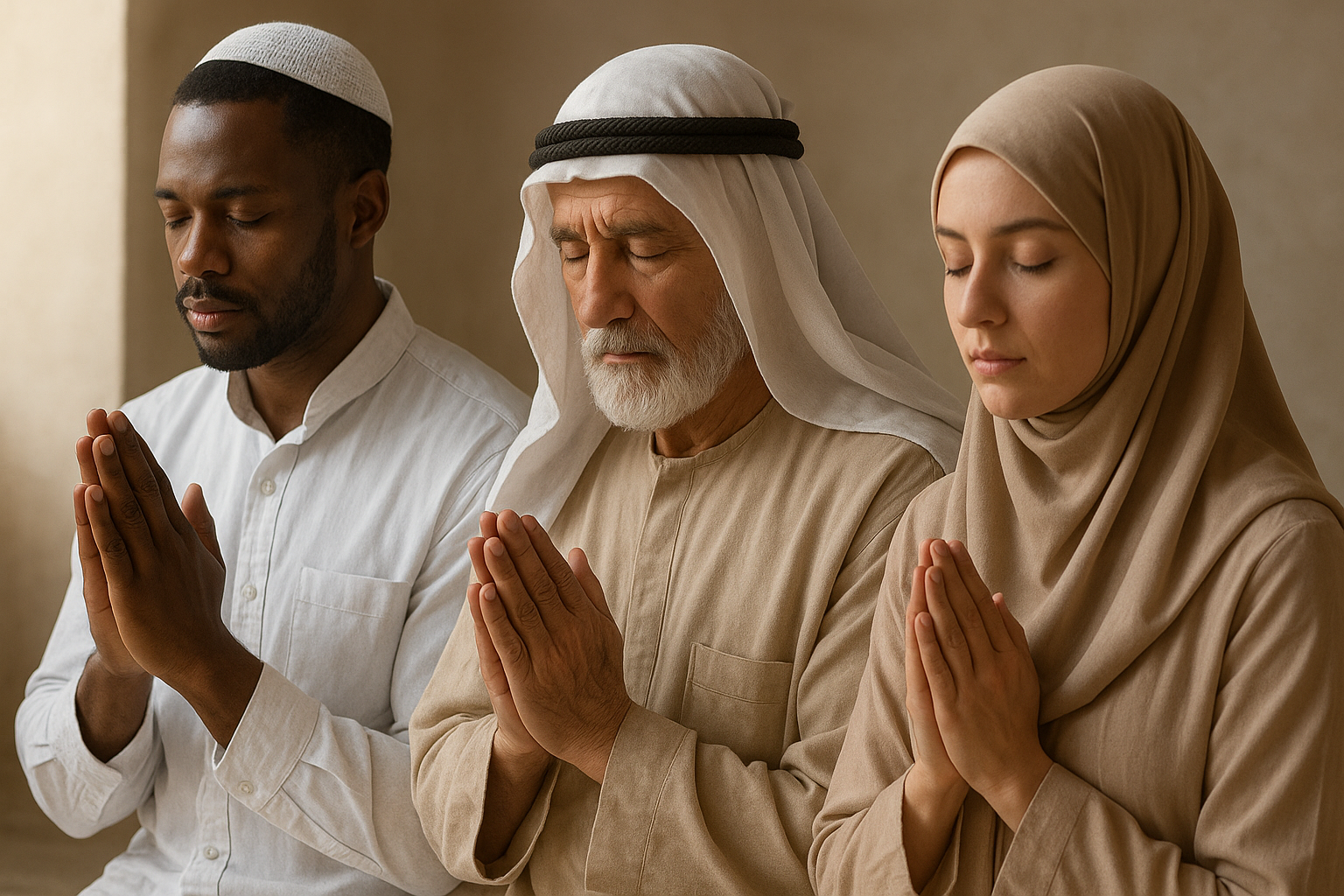
Peace Methods Through Prayer: Abrahamic Approaches to Serenity
In the search for inner peace and societal tranquility, the Abrahamic religions—Judaism, Christianity, and Islam—offer profound approaches through prayer. These faiths advocate for spiritual practices that transcend mere ritual to foster deep serenity among their adherents. This article explores the diverse methods of seeking peace through prayer within these three religious traditions, examining the shared themes and unique practices that contribute to a harmonious existence.
1. Judaism: A Connection with Divine Order
In Judaism, prayer is a fundamental pillar, offering a conduit to the divine and a framework for understanding life. Central to Jewish worship is the Siddur, the prayer book that encompasses daily prayers, blessings, and hymns.
- The Shema: One of the most important prayers, Shema Yisrael (“Hear, O Israel”), is a declaration of faith emphasizing the unity and sovereignty of God. Reciting the Shema fosters a sense of calm, reminding adherents of divine order and protection. As Rabbi Jonathan Sacks eloquently stated, “When we say the Shema, we enter the dialogue with God that began with the words ‘And God said: Let there be light.’
- The Amidah: Known as the “Standing Prayer,” the Amidah is a central part of Jewish liturgy, consisting of praise, petitions, and gratitude. Each segment helps worshippers align their intentions with divine will and seek forgiveness and guidance, promoting inner peace.
- The Kaddish: Recited in memory of the deceased, the Kaddish prayer shifts focus from mourning to glorifying God, fostering community solidarity and offering comfort to the bereaved.
“Prayer is the flight of the lonely man to the only one who can heal a broken soul.” – Abraham Joshua Heschel.
2. Christianity: Fostering Inner Peace Through Communion
Christianity presents prayer as a means of communication with God, a practice that promotes spiritual healing and peace. Various denominations emphasize different aspects of prayer, but core practices unite believers in their quest for serenity.
- The Lord’s Prayer: Also known as the “Our Father,” this supplication is significant across Christian denominations. It covers essential themes of worship, forgiveness, and supplication, encouraging believers to trust in divine providence and aligning their lives with God’s will.
- Contemplative Prayer: Mystics like St. Teresa of Avila emphasize the importance of contemplative prayer—a silent, meditative practice focused on experiencing the presence of God. This approach allows individuals to detach from worldly concerns and attain spiritual tranquillity.
- Intercessory Prayer: Christians are encouraged to pray on behalf of others, which fosters a spirit of empathy and community support. By focusing on the needs of others, individuals often find peace in their own challenges.
“Peace I leave with you; my peace I give you. I do not give to you as the world gives. Do not let your hearts be troubled and do not be afraid.” – John 14:27, NIV.
3. Islam: Serenity Through Submission and Remembrance
In Islam, peace is attained through submission to Allah and remembrance of His presence. Prayer (Salah) is one of the Five Pillars, serving as a constant reminder of the divine and a means to attain peace.
- Salah: Performed five times daily, Salah is not merely ritual but a profound act of devotion. It is a physical, mental, and spiritual act of worship that strengthens the believer’s connection with Allah, offering a consistent moment of reflection and serenity.
- Dhikr: The practice of Dhikr involves the continuous remembrance of Allah through the repetition of His names and attributes. This repetitive invocation brings peace to the heart, as emphasized in the Quran: “Verily, in the remembrance of Allah do hearts find rest” (Quran 13:28).
- Dua: A personal supplication, Dua allows individuals to express their needs and desires directly to Allah. This intimate form of prayer fosters hope and reassurance, reminding Muslims of the compassionate nature of Allah.
“O you who have believed, seek help through patience and prayer. Indeed, Allah is with the patient.” – Quran 2:153.
Shared Themes Across Traditions
Despite the unique features of prayer in each Abrahamic tradition, several shared themes highlight a collective pursuit of peace through spiritual practice:
- Regular Practice: In all three faiths, regular prayer is a discipline that fosters a routine of reflection and surrender to a higher power. This consistency provides stability and reassurance.
- Community and Solidarity: Prayers often emphasize community, whether through collective worship or intercessory prayers. This communal aspect fosters unity and mutual support among believers.
- Forgiveness and Redemption: Prayer in these traditions often includes elements of confession and forgiveness, providing opportunities for reconciliation and personal growth.
- Hope and Trust: Ultimately, prayer is a declaration of hope and trust in the divine, encouraging believers to relinquish fears and anxieties.
Prayer in the Abrahamic religions serves as a powerful vehicle for achieving peace, both within the self and the broader community. By engaging deeply with these spiritual practices, individuals immerse themselves in traditions of wisdom that guide them toward an enduring serenity.
For more on the role of prayer in personal and societal peace, consider exploring works by noted theologians such as Rabbi Jonathan Sacks, St. Teresa of Avila, and Abraham Joshua Heschel, who have significantly contributed to understanding these profound spiritual practices.