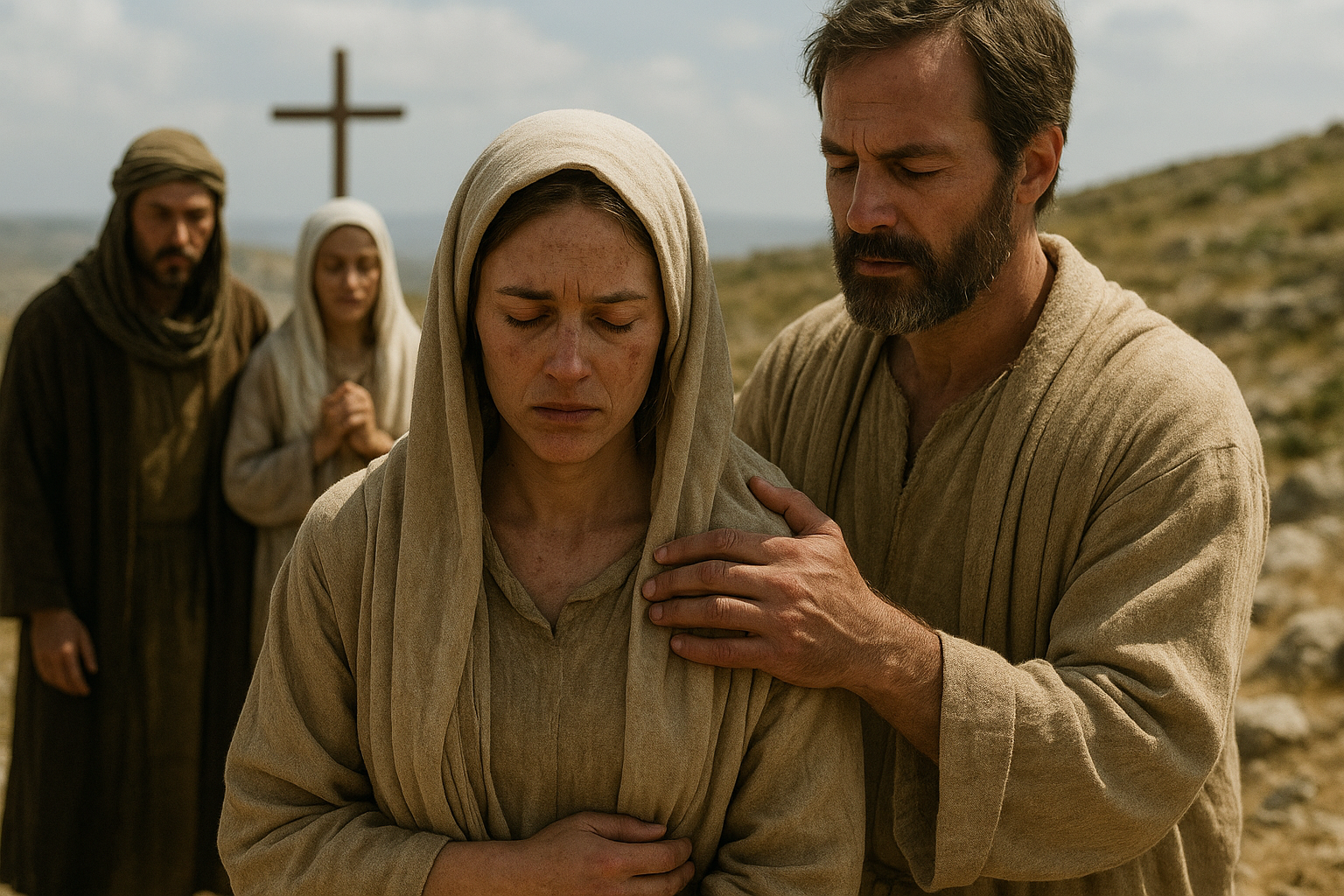
Pilgrimage of Forgiveness – Healing Wounds on Holy Ground
The Essence of Pilgrimage
Pilgrimages have been a part of human tradition for millennia, serving as transformative journeys where the spiritual meets the physical.
As Joseph Campbell famously stated,
“A hero is someone who has given his or her life to something bigger than oneself.”
Similarly, pilgrims embark not solely for the travel but for internal transformation, seeking a sanctuary where time, distance, and spirituality intersect.
The Concept of Forgiveness
Forgiveness is a complicated notion, both a personal act and a universal aspiration. As philosopher Hannah Arendt observed,
“Forgiveness is the key to action and freedom.” It requires a cessation of resentment and a commitment to understanding and empathy.
Holy Grounds: A Space for Reconciliation
Many religions point to particular spaces as conduits for divine connection. These holy grounds often carry histories and energies pivotal for transformative experiences.
A pilgrimage becomes a metaphorical and literal pathway, where the act of physical movement mirrors the internal journey towards reconciliation and peace.
- Santiago de Compostela – In Spain, the Camino de Santiago represents not just a walk across geographical terrain, but a symbolic journey towards forgiveness and atonement. Pilgrims often reflect on their lives, seeking penance.
- Mecca – For Muslims, the Hajj to Mecca represents one of the Five Pillars of Islam, mandating a physical and spiritual renewal. It fosters a space for forgiveness, not just between oneself and God, but within the global Islamic community.
The Inner Journey
Perhaps the most profound aspect of a pilgrimage is its potential to catalyze an inner journey. The external acts of traversing difficult paths, facing the elements, and meeting fellow wanderers become allegories for internal trials.
Pilgrimage carves out a contemplative space dedicated to exploring personal grievances and emotions long buried under the surface of daily life.
According to Paul Tillich, “Faith is the state of being ultimately concerned.” In the context of pilgrimage, faith intersects with forgiveness,
urging pilgrims to confront their ultimate concerns and undertake the often difficult task of letting go.
Healing the Soul
The journey of forgiveness on a pilgrimage often involves six transformative stages:
- Recognition: Acknowledging personal pain and the depth of the hurt caused, both received and given.
- Reflection: Engaging with the past and understanding the root causes that lead to such pain.
- Reorientation: Choosing a new direction that embraces forgiveness as a pathway to liberation.
- Release: Letting go of bitterness and resentment that bind the soul.
- Reconciliation: Taking steps towards mending relationships or accepting peace where reconciliation isn’t possible.
- Renewal: Experiencing a rebirth, fortified in spirit and liberated in heart.
Testimonies of Transformation
Many who have completed pilgrimages speak of profound personal changes. As Elizabeth Gilbert, author of Eat, Pray, Love, writes,
“Your emotions are the slaves to your thoughts, and you are the slave to your emotions.” Through pilgrimage, individuals often find the strength to master their emotions, allowing the spirit of forgiveness to redefine their relationships and worldview.
The Path Forward
Today, more than ever, societies and individuals grapple with past wounds. The journey of forgiveness — whether through a physical pilgrimage or a metaphorical one in daily life — presents a path forward.
It invites a shift from blame to understanding and from division to unity.
As we stand on the threshold of personal and communal healing, the teachings and experiences embedded within the pilgrimage offer time-tested guidance.
No matter where one begins, the pilgrimage of forgiveness remains an open invitation to walk together towards a more enlightened existence.
Conclusion
In a world filled with both beauty and strife, the pilgrimage of forgiveness serves as a beacon of hope and redemption.
As the philosopher Rumi wisely stated,
“The wound is the place where the Light enters you.”
Let the journey begin, towards healing wounds and illuminating the path with grace and compassion.