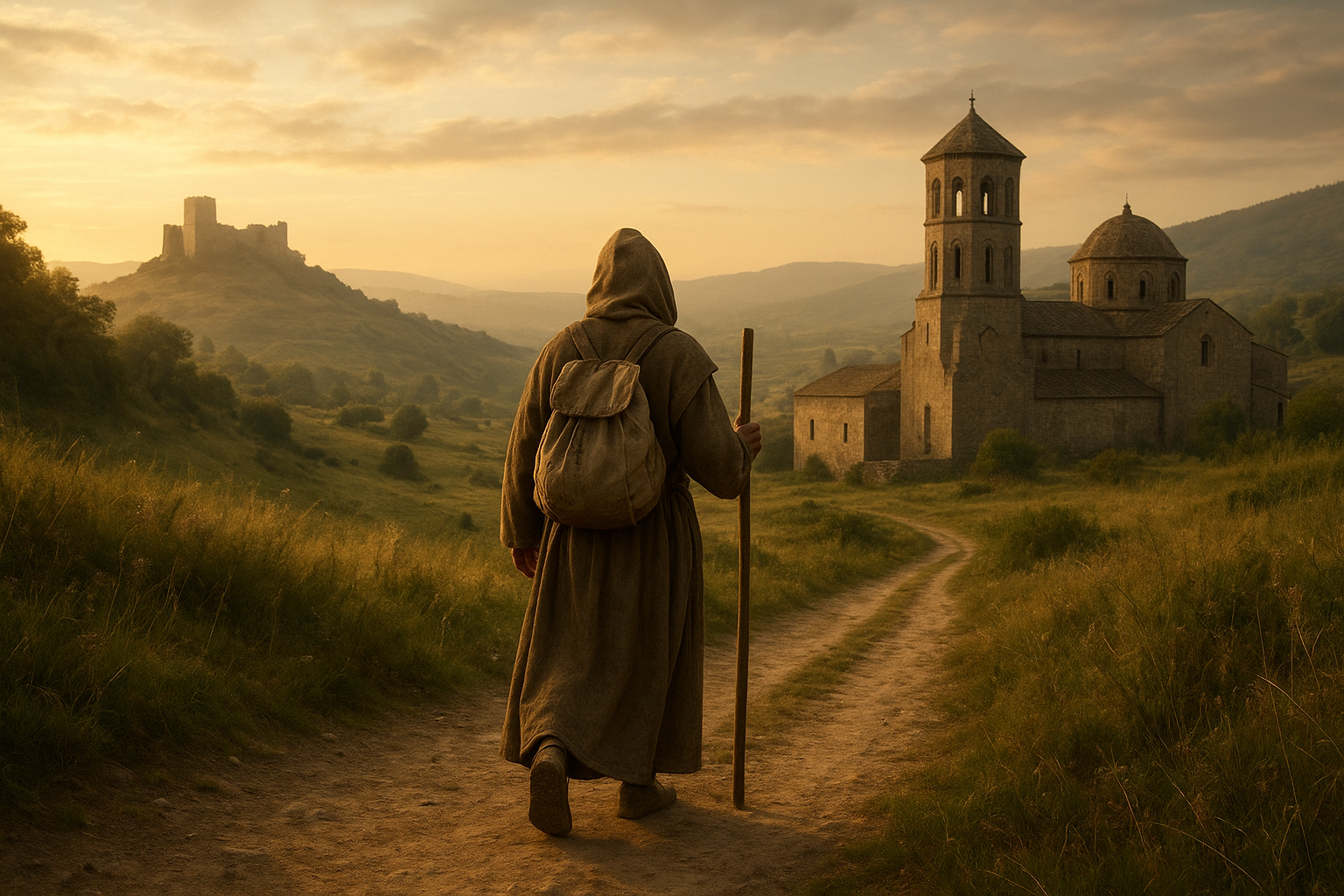
Pilgrimage Through Time: Historical Journeys to Timeless Truths
The age-old tradition of pilgrimage has transcended centuries and continents, weaving together diverse cultures and spiritual beliefs into a tapestry of historical significance and personal transformation. These journeys, often marked by passages through challenging terrains and ancient routes, offer not only a quest for spiritual enlightenment but also a deeper understanding of human resilience and the pursuit of truth.
The Ancient Practice of Pilgrimage
From the revered paths of the Camino de Santiago in Spain to the sacred trails leading to the holy city of Varanasi in India, pilgrimages have been a fundamental part of human expression across millennia. Historically, pilgrims embarked on these voyages to reach places imbued with divine presence or to pay homage to sacred relics.
- Camino de Santiago: Known as the Way of St. James, this pilgrimage leads to the shrine of the apostle Saint James the Great in the cathedral of Santiago de Compostela in Galicia. It is believed that the remains of the apostle lie here. The Camino has been an essential journey for Christians since the medieval times.
- Kumbh Mela: Recognized as the largest peaceful gathering in the world, this Hindu festival and pilgrimage occurs every 12 years at the confluence of the Ganges and Yamuna rivers. It draws millions who seek purification of the spirit through sacred bathing.
The Medieval Pilgrim and the Pursuit of Faith
In medieval Europe, pilgrimage was an act of faith, penance, and devotion. The routes to Canterbury, Rome, and Jerusalem were thronged with believers determined to seek redemption or fulfill a vow. As St. Augustine once remarked, “The world is a book and those who do not travel read only one page.” This notion propelled pilgrims to explore lands far beyond their homelands, often facing formidable challenges.
“Pilgrimages were central to the economic and social life of medieval Europe. Not only did they provide spiritual engagement, but they facilitated cultural and economic exchanges between distant lands.”
— Encyclopædia Britannica
Modern Pilgrimages and Their Enduring Appeal
Today’s pilgrimages may differ in certain aspects from those of the past, yet the core elements of seeking, self-discovery, and transformation remain unchanged. Modern pilgrims may be inspired by spiritual, cultural, or personal reasons rather than religious obligations. The journeys often provide an opportunity to break away from the stresses of daily life and reflect deeply, leading to profound personal revelations.
- Hajj: As one of the five pillars of Islam, Hajj to the holy city of Mecca is a mandatory religious duty for Muslims who are physically and financially able. It is filled with rituals that symbolize unity, equality, and submission to Allah.
- Shikoku Pilgrimage: This involves a 1,200-kilometer circular pilgrimage of 88 temples around the island of Shikoku, Japan. It embodies the search for enlightenment and is based on the teachings of the Buddhist monk Kūkai.
The Timeless Connection Between Pilgrimages and Self-Discovery
At the heart of every pilgrimage lies a profound truth—the journey itself becomes a metaphor for an inner quest. As pilgrims traverse physically demanding landscapes and engage with fellow travelers, they often encounter personal breakthroughs.
The transformational power of these journeys is highlighted by the experiences shared by numerous pilgrims. Paula Coelho, in his renowned novel, The Alchemist, reflects on the essence of such journeys: “It’s the possibility of having a dream come true that makes life interesting.” This sentiment captures the enduring allure of pilgrimages.
Conclusion
In essence, pilgrimages encapsulate the human spirit’s yearning for connection with the divine, self-discovery, and the pursuit of truths that transcend the bounds of time and place. Whether rooted in religious tradition or inspired by personal calling, these journeys continue to resonate deeply within us, offering a timeless testament to the enduring quest for meaning and enlightenment.
For those who embark on such journeys, the lessons learned and the truths discovered linger long after the physical journey ends, becoming an integral part of the pilgrim’s life journey.