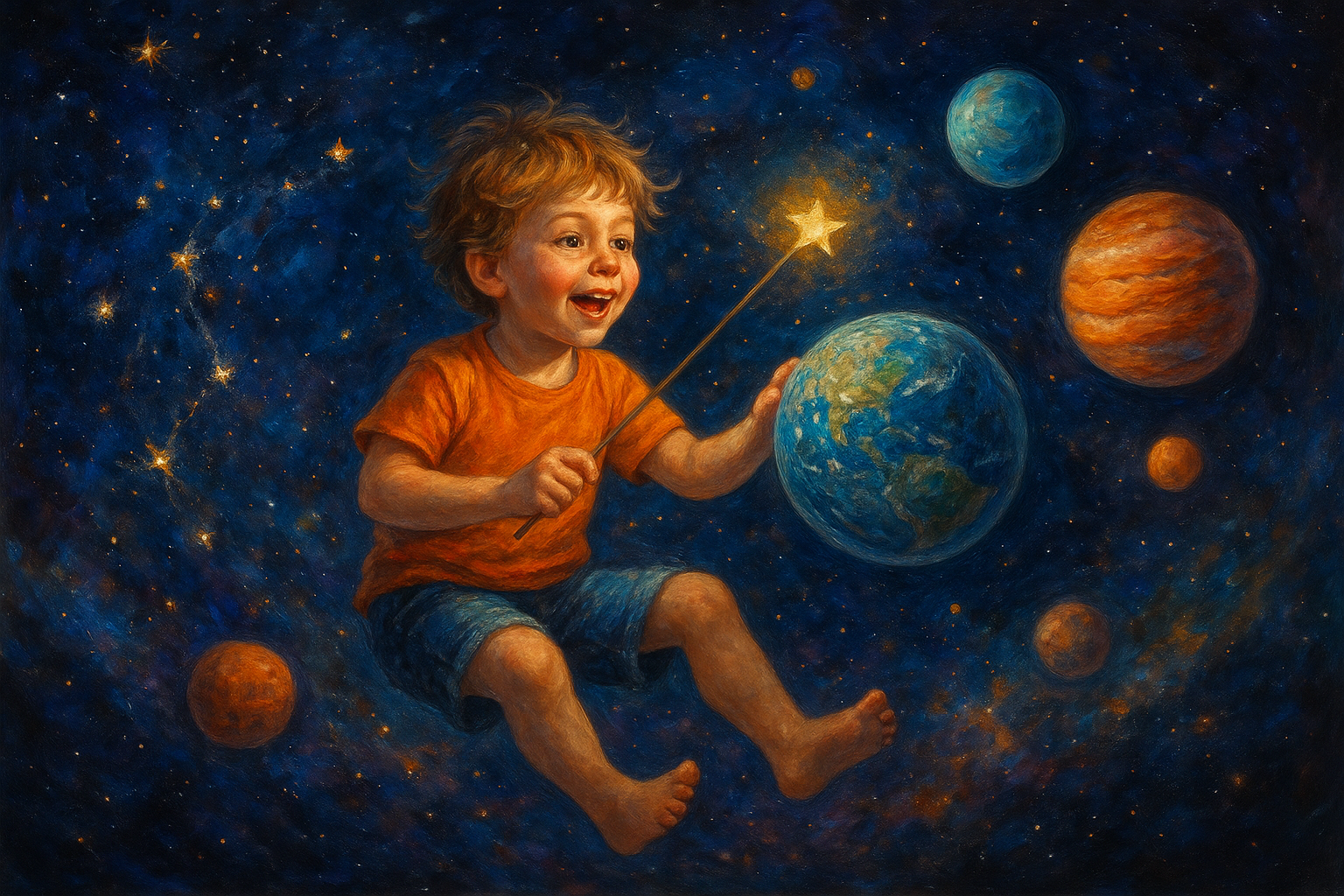
Cosmic Play in Art: Creative Expressions of Universal Fun
Art has long been regarded as a reflection of human experience, capturing the joys, struggles, and mysteries of life. Among the myriad themes art explores, the concept of the cosmos presents unique opportunities for creativity and exploration. This fascination with the infinite universe and our place within it is not only about science and exploration but also about the playful interaction between art and the cosmic unknown.
The Universe as an Artistic Muse
The cosmos has inspired countless artists across different media throughout history. From Van Gogh’s swirling stars in The Starry Night to contemporary artists who use digital platforms to simulate cosmic environments, the universe serves as a compelling muse.
- Van Gogh’s Starry Night: Perhaps one of the most famous pieces of art inspired by the cosmos, Van Gogh’s masterpiece captures a sky brimming with stars, interpreted through the artist’s unique vision.
- Salvador Dali’s Cosmic Explorations: Dali’s surreal works, such as Galatea of the Spheres, highlight cosmic themes through dreamlike imagery and symbolic references.
“Art is the lie that enables us to realize the truth,” said Picasso, emphasizing how creative interpretations can uncover deeper realities, a notion well-suited for cosmic-themed art.
Modern Interpretations and Methods
Today’s artists leverage advanced technology to bring cosmic art to life, utilizing digital platforms, virtual reality, and even AI to create immersive and interactive experiences.
- Virtual Reality: Artists like Jess Johnson use VR to craft intricate universes where viewers can embark on a cosmic journey, exploring digital landscapes and celestial bodies.
- AI and Generative Art: AI platforms, such as DeepArt and Google’s DeepDream, enable artists to experiment with algorithms, generating new, cosmic-inspired designs that push the boundaries of conventional art forms.
In an article on Artsy, art critic Ben Davis notes, “The universe is an ever-present influence on artists who seek to understand their own existence in relation to the cosmos.” This adaptation of cosmic themes signifies a shift from traditional interpretations towards experimental and dynamic renditions that capture the public’s imagination.
The Cosmic Influence in Popular Culture
Beyond galleries and studios, cosmic art influences pop culture realms, including music, literature, and entertainment. From album covers to set designs for blockbuster movies, cosmic imagery infuses a sense of wonder and exploration.
- Album Art: Bands like Pink Floyd have famously used cosmic themes on their album covers, capturing the imagination of generations.
- Films and Animation: Movies like Interstellar and animations such as Cosmos: A Spacetime Odyssey delve into cosmic storytelling, blending scientific theories with artistic visuals.
Filmmaker and artist Paul Thomas Anderson stated in an interview with Vulture, “The universe provides the perfect backdrop for stories that are equal parts epic and intimate,” highlighting the emotional depth that cosmic settings can provide.
Art as Cosmic Exploration
Cosmic art transcends mere representation; it encourages viewers to ponder profound questions about existence and humanity’s role within the universe. Through art, we engage in a form of cosmic play, exploring dimensions where science meets imagination.
Art educator and historian Dr. Leslie Wilson explains, “Cosmic art invites viewers not only to see the universe but to experience it on a metaphysical level, blending empirical knowledge with creative speculation.” This duality cements cosmic art as an essential tool for both education and inspiration.
“People need to be reminded that art is not a matter of money but a matter of awareness of what you’re about,” said art critic Paul Eluard, connecting the timeless nature of cosmic motifs with personal discovery and awareness.
The Future of Cosmic Art
As our understanding of the universe continues to grow, so too will the artistic interpretations of cosmic phenomena. Collaborations between artists and scientists are paving the way for even richer expressions of cosmic play, utilizing technological advancements to further blur the lines between fantasy and reality.
In conclusion, cosmic play in art is more than an aesthetic fascination; it’s an invitation to explore the deepest questions that humanity faces. Through this universal medium, artists enable us to imagine and, in a way, experience the infinite nature of the cosmos, crafting narratives that resonate on both personal and universal levels.