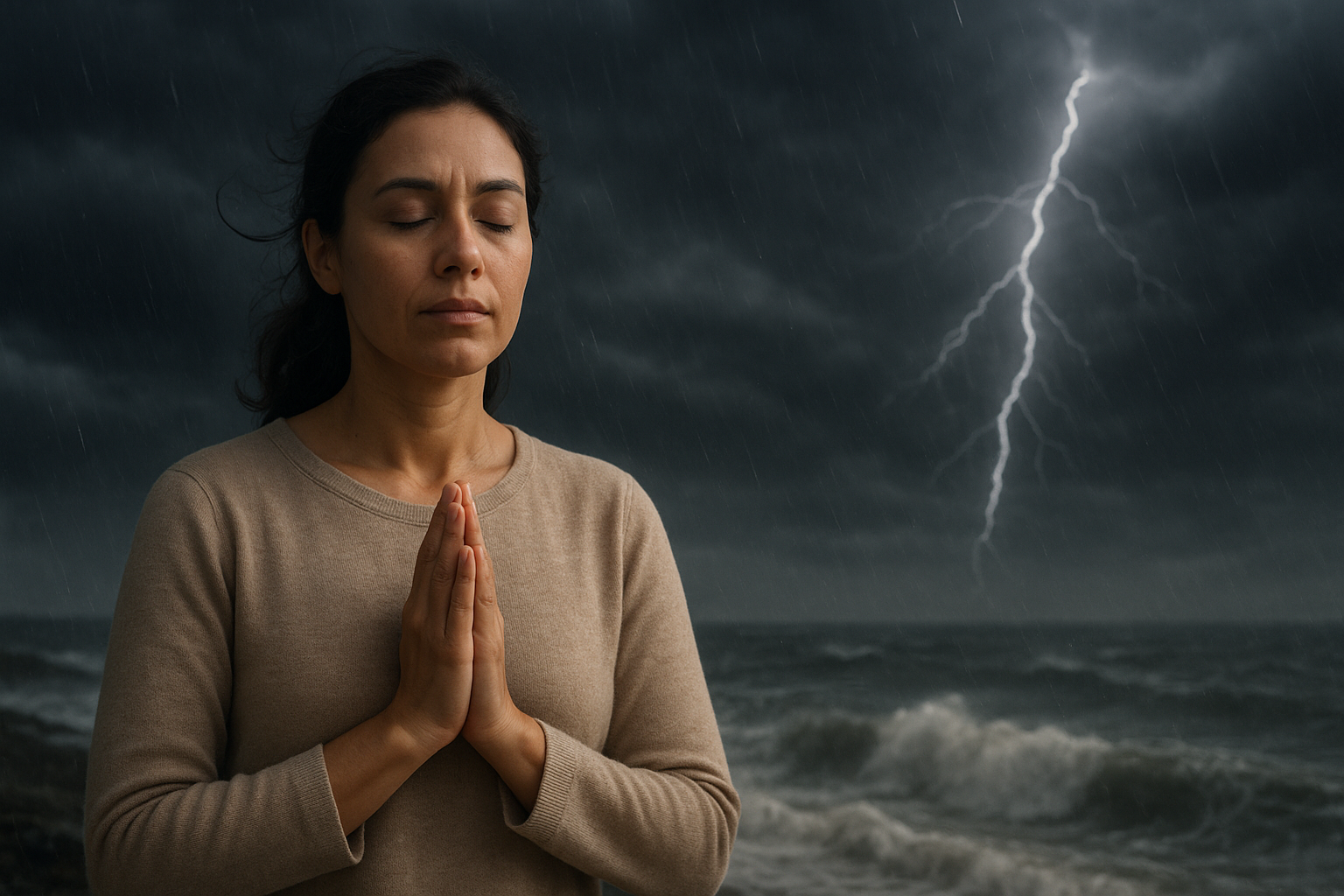
Spiritual Deescalation in Crisis: Steadying the Soul Amid Storms
In times of crisis, when the world seems to unravel at the seams, the need for spiritual de-escalation becomes ever more pressing. In the face of adversity, finding ways to steady the soul can mean the difference between dismay and resilience. Whether dealing with global upheaval or personal turmoil, harnessing spiritual strength can help us navigate the chaotic waters of life.
“Within you, there is a stillness and a sanctuary to which you can retreat at any time and be yourself.” – Hermann Hesse
In this journey towards spiritual calmness, understanding the fundamentals of de-escalation becomes paramount. By learning to control our inner responses, we can transcend the immediate chaos to find a serene center.
The Elements of Spiritual Deescalation
- Mindful Breathing: At the heart of most spiritual practices is the art of breathing. To breathe deeply and consciously is to root oneself in the present, releasing tension and fostering clarity. As author George Santayana noted, “The wisest mind has something yet to learn.”
- Meditation and Contemplation: Practices such as meditation or reflective prayer can anchor the soul in times of unpredictability. These techniques allow us to strip away distractions, focusing instead on what is truly important.
- Connection with Nature: Stepping into nature provides a sanctuary from life’s barrage of stressors. The calming influence of natural surroundings offers both respite and a profound sense of connection to the larger tapestry of life.
- Emotional Awareness: Spirituality encourages us to acknowledge and understand our emotional landscape. Instead of reacting impulsively, we learn to respond thoughtfully, fostering a sense of control and empathy.
- Community Support: Integrating into a spiritual community provides mutual support and wisdom. Sharing challenges and insights within a group can be a powerful means of finding peace.
Stories of Soul-Stilling Practices
Many have shared stories of spiritual ascendance amidst turmoil. These narratives serve as both inspiration and guidance.
Consider the ancient Buddhist practice of Tonglen. In his book, The Wisdom of No Escape, Pema Chödrön explains how sensing others’ suffering and breathing it in, then exhaling compassion, can transform personal pain into understanding and connection.
Similarly, Christian contemplative practices like Lectio Divina offer a pathway to inner peace by meditating on specific scriptural passages. In a manner akin to the profound words of Thomas Merton, “We do not find the meaning of life by ourselves alone – we find it with another.” Such practices encourage processing and releasing inner turmoil through divine reflection.
Practical Steps for Implementing Deescalation
Incorporating spiritual de-escalation into daily life does not require radical transformations but rather, consistent, intentional actions:
- Designate a Sacred Space: Create a corner or room for meditation and reflection where you can consistently return.
- Establish Rituals: Develop simple daily rituals, like morning gratitude journaling or evening meditation, to form a stable routine.
- Daily Digital Detox: Allocate time to disconnect from digital distractions, allowing space for introspection and presence.
- Gratitude Practices: Gratitude journaling allows us to refocus on what is positive, fostering a hopeful outlook even in bleak conditions.
Conclusion
As we navigate the tribulations of modern life, spiritual de-escalation offers a beacon of hope and equilibrium. By fostering a practice of mindful presence and communal support, each of us can find a way to steady our souls amid the storms of existence. As Reinhold Niebuhr articulated in the Serenity Prayer, may we gain “the serenity to accept the things we cannot change, courage to change the things we can, and the wisdom to know the difference.” Through these principles, we cultivate a life of peace and resilience.