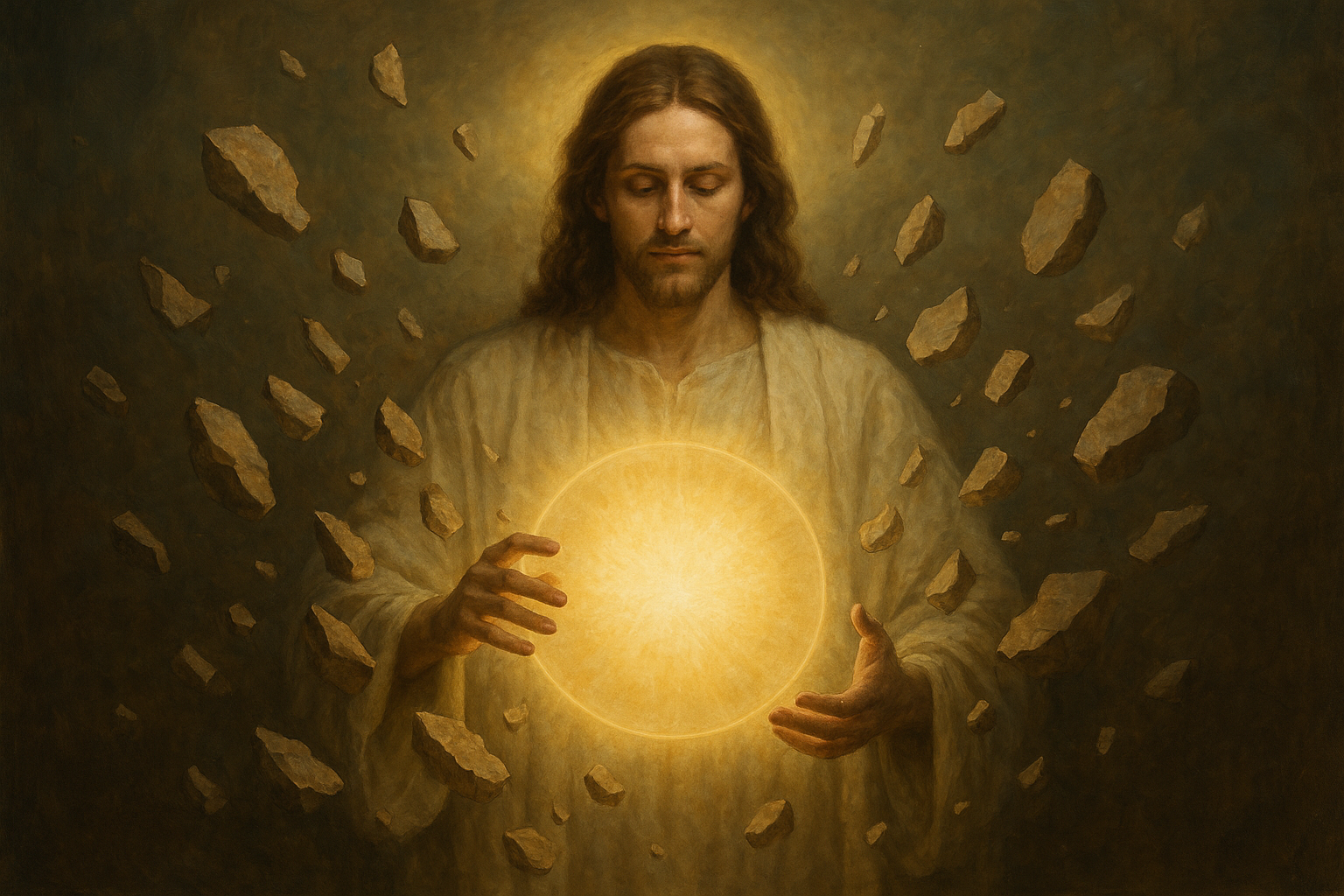
Divine Wholeness Achieved: Integrating Fragments into Sacred Unity
The age-old quest for divine wholeness often remains elusive, a mysterious journey hidden in fragments of time and wisdom. Countless seekers, from ancient mystics to modern spiritualists, have endeavored to piece together the sacred puzzle. Today, the narrative of integrating these fragments into a cohesive sacred unity takes a fresh perspective, embracing not only spiritual teachings but also modern insights.
The Journey of Fragments
Historically, spiritual traditions speak of a fragmented human experience. Many cultures talk about the separation of spirit and matter, the divine and the mundane. The goal, they suggest, lies in merging these disparate parts into a harmonious whole. As the philosopher Carl Jung once said,
“The privilege of a lifetime is to become who you truly are.”
This journey of becoming involves gathering the lost pieces of the self and integrating them into a complete existence.
The Concept of Sacred Unity
Sacred unity transcends the mere act of assembling parts into a whole. It is about finding peace and resonance with every aspect of one’s being. According to the teachings of Rumi,
“The wound is the place where the Light enters you.”
This metaphor suggests that our brokenness and imperfections serve as entry points for divine wisdom, which can lead us towards unity.
- Mindfulness: Cultivating mindfulness helps in recognizing and embracing every fragment of our life experiences.
- Meditation: Through meditation, individuals connect to deeper layers of consciousness, often leading to epiphanies about their interconnectedness.
- Community: Engaging with community not only encloses diverse perspectives but also nurtures the bonds necessary for holistic healing.
Modern Insights
Recent dialogue in psychological and scientific circles explores how integration can also occur at the neurobiological level. Renowned psychiatrist Dr. Daniel Siegel suggests that integrating different brain functions can promote psychological well-being and resilience. In his book, The Mindful Brain, he notes,
“Integration is the key mechanism beneath both self-regulation and empathy.”
By weaving ancient wisdom with contemporary research, the path to divine wholeness becomes a tapestry of old and new; a confluence of antiquity’s mystical teachings with today’s cutting-edge science.
The Path Forward
As individuals embark on this path, they are not merely assembling shattered pieces of their identity but awakening to the realization that they are and have always been whole. This divine wholeness is not static but an evolving state, continually inviting us to embrace the sacred unity within and without.