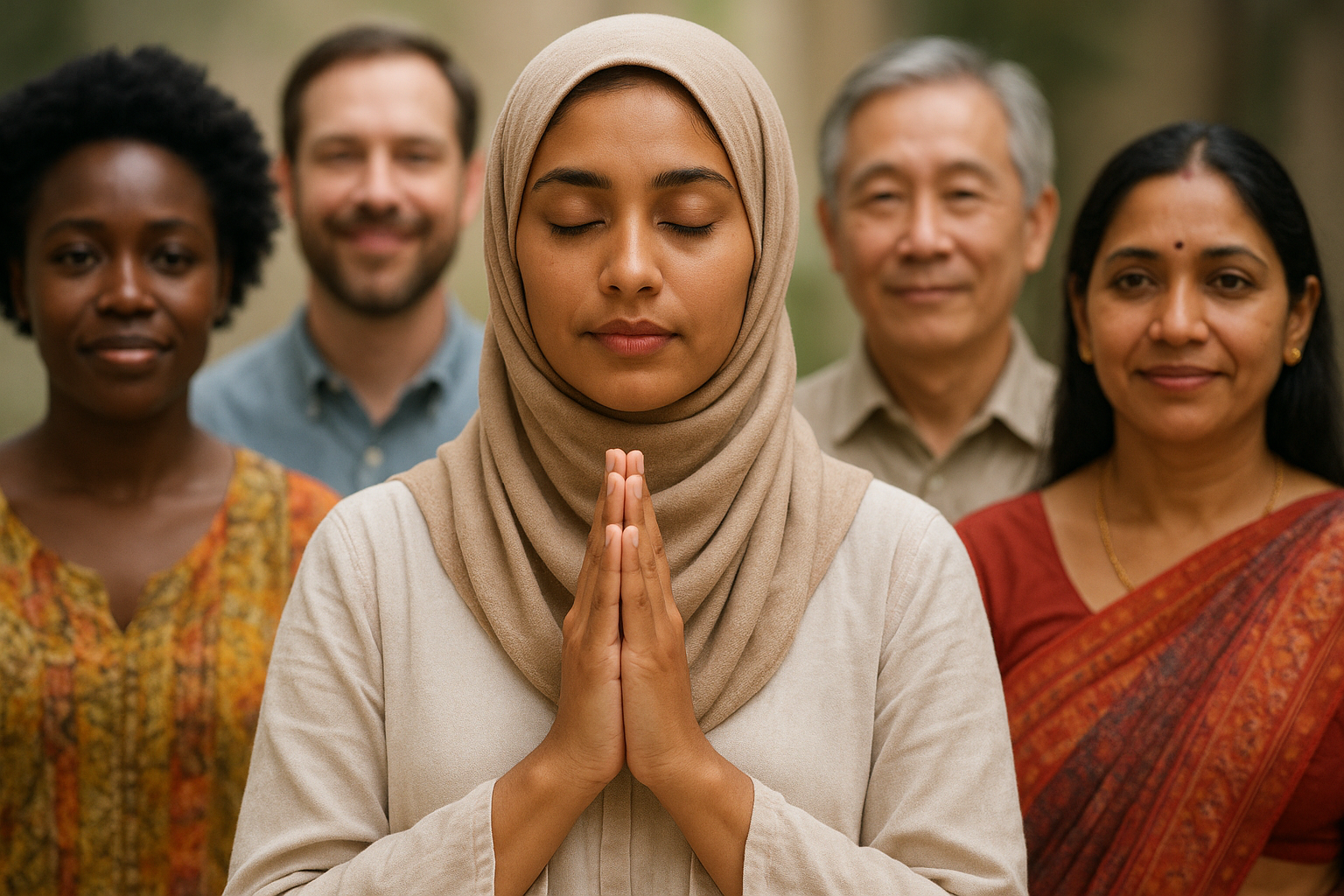
Pilgrim’s Reflections on Unity: Seeing Oneness in Diversity
In a world that often emphasizes differences and disparities, the concept of unity can feel elusive. Yet, hidden within these differences lies a profound beauty—a tapestry woven from diverse threads that, when viewed together, reveal a complex and harmonious whole. This reflection delves into the fascinating journey of recognizing unity through diversity, exploring how embracing our differences can lead to a more unified and peaceful coexistence.
The Pilgrimage: A Path to Greater Understanding
A pilgrim, by definition, is someone who embarks on a journey, often with a spiritual or profound purpose. For many, this journey becomes a metaphorical path to self-discovery and greater understanding of the world. As the renowned poet Rumi once said:
“The wound is the place where the Light enters you.”
Rumi’s words beautifully encapsulate the essence of a pilgrim’s journey—by stepping beyond familiar boundaries and embracing the unknown, we allow light to penetrate and illuminate our understanding. This often involves encountering people and cultures vastly different from our own, challenging preconceived notions and biases.
Understanding Oneness in Diversity
Diversity, in its myriad forms, can initially seem daunting. From cultural practices to religious beliefs, from linguistic differences to varied artistic expressions, the spectrum is as wide as it is deep. Yet, beneath these layers lies a shared human experience that binds us more closely than we might assume.
“We may have different religions, different languages, different colored skin, but we all belong to the human race.”
The late Kofi Annan’s words remind us that at our core, we are more alike than different. By reframing our perspective to see diversity as a rich tapestry of human experience, we can find unity in the most unexpected places.
Learning from Diverse Cultures
Immersing oneself in diverse cultures offers a unique lens through which we can re-examine our understanding of unity. Consider the vibrant festivals of India, where Diwali and Eid-ul-Fitr bring together people of various faiths in mutual celebration. Despite differences in religious practices, the underlying themes of renewal and gratitude transcend boundaries and foster unity.
Similarly, the art of Japanese wabi-sabi, which finds beauty in imperfection and transience, provides a philosophical understanding that resonates universally. It teaches acceptance of the imperfect and a deeper appreciation for life’s fleeting moments, thus inviting a more inclusive and compassionate worldview.
Embracing Differences: Toward a Unified Global Community
As the world becomes increasingly interconnected, the need to embrace and celebrate diversity has become more pressing. Moving beyond mere tolerance, the journey towards unity involves an active acceptance and appreciation of our differences.
- Education: An informed understanding of various cultures and histories is crucial in demystifying misconceptions and breaking down stereotypes.
- Cultural Exchange: Encouraging exchanges, whether through travel or digital interactions, helps build empathy and a shared global identity.
- Inclusive Innovation: Leveraging diverse perspectives can drive innovation, as multiple viewpoints contribute to more holistic solutions. According to a Harvard Business Review article, companies with high levels of diversity benefit from enhanced creativity and problem-solving capabilities.
The Role of Empathy in Cultivating Unity
At the heart of embracing diversity and fostering unity is empathy. This vital human trait enables us to see the world through the eyes of others, to feel their joy and their pain. The practice of empathy dissolves the barriers that divide us and creates bridges of understanding and compassion.
“Empathy is about finding echoes of another person in yourself.”
Contemporary novelist Mohsin Hamid articulates this beautifully, emphasizing how empathy helps us connect with others on a profound level. By truly listening and being open to the stories and experiences of others, we nurture a sense of shared humanity.
Conclusion: A Unified Vision for the Future
Ultimately, the pilgrim’s journey towards unity in diversity is not just a personal endeavor but a collective mission that we all share. By appreciating the mosaic made by our differences, we pave a path to a more harmonious world. In the words of the esteemed activist and former South African President, Nelson Mandela:
“If you want to make peace with your enemy, you have to work with your enemy. Then he becomes your partner.”
Mandela’s insights remind us that our strength lies in collaboration and mutual respect. As we move forward, let us carry these reflections and aspirational visions in our hearts and minds, striving for a world where unity and diversity coexist beautifully.