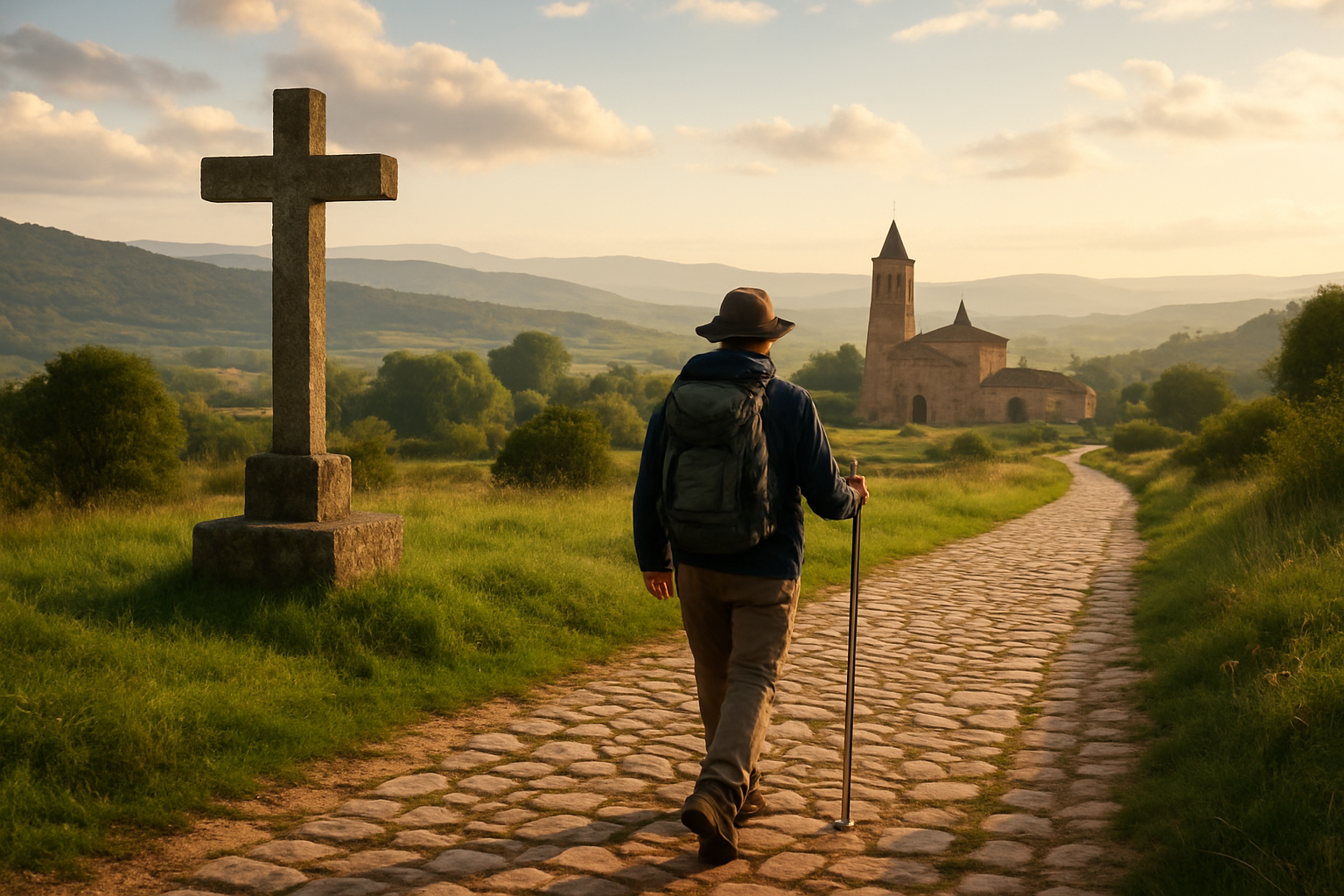
Traveling the Path of Saints: Following Footsteps of Spiritual Giants
Throughout history, saints have played pivotal roles in shaping religious landscapes around the world, leaving behind footprints that many continue to follow. Their journeys, acts of devotion, and teachings invite modern-day pilgrims and spiritual seekers to walk in their paths, fostering a deeper connection to faith and spirituality.
The Ancient Trails
Many saints embarked on journeys that became legendary trails for today’s pilgrims. Walking these paths often means more than just traveling; it’s about experiencing spiritual transformation.
-
St. James’ Way (Camino de Santiago): One of the most renowned pilgrimages, the Way of St. James in Spain, is a path taken by thousands every year, culminating at the Cathedral of Santiago de Compostela. According to tradition, it houses the remains of Saint James the Great. As the New York Times describes it, “The Camino de Santiago offers not just a physical journey across the fields and cities of Spain, but an opportunity for introspection and spiritual discovery.”
(New York Times) - Kumano Kodo Trails in Japan: These ancient routes through the Kii Peninsula have been trodden by emperors and peasants alike to reach the sacred Kumano Sanzan shrines. Recognized by UNESCO, these paths demonstrate Japan’s historical reverence for nature and spirituality.
The Sacrifices and Teachings of Saints
Understanding the sacrifices and spiritual lessons of saints helps followers today to find meaning and guidance in life’s complexities.
- St. Francis of Assisi: Renowned for his love of animals and nature, St. Francis’s life epitomized the harmony between humans and creation. His deeds and teachings are celebrated widely, with many visiting the Basilica of Saint Francis in Assisi, Italy. His famous prayer, “Lord, make me an instrument of your peace,” remains a guiding light for many in search of peace and service.
- Mother Teresa of Calcutta: Saint Teresa’s work with the sick and the poor in India stands as a testament to selflessness. The Missionaries of Charity, founded by her, continue to embody her teachings of love and compassion. Visiting her mission house in Kolkata offers a glimpse into her enduring legacy.
Modern-Day Pilgrimages: A Blend of History and Devotion
Modern pilgrimages incorporate both historical reverence and contemporary spirituality. The journeys often provide respite from the chaos of everyday life, offering space for reflection and renewal.
“Pilgrimages are more than sightseeing tours; they are journeys within,” says Professor Anne Bancroft, an expert in comparative religion. “They allow individuals to step back, evaluate life choices, and reconnect with deeper truths.”
Pilgrims on these journeys often find themselves not only in the footsteps of saints but also establishing their own connections with the sacredness of the path. Whether through solitary walks or community gatherings, each pilgrimage is as unique as the individuals undertaking it.
Guiding the Footsteps: Following with Purpose
For those considering embarking on such spiritual journeys, the focus is not just on the destination but on the intention behind the journey.
- Setting a Purpose: Whether seeking penance, offering gratitude, or simply stepping away from the daily grind, a pilgrim’s purpose shapes the experience. Journaling or mindfulness practices can enhance this process, encouraging introspection and spiritual growth.
- Respecting Traditions and Cultures: Understanding the historical and cultural significance of the path enriches the experience. Engage with local traditions, participate in communal prayers, or attend guided meditations to align with the essence of the journey.
Engaging with pilgrimage guides or speaking with fellow pilgrims can provide insights and shared experiences that deepen the journey’s impact and meaning.
The Enduring Legacy of Saints
The paths of saints inspire countless souls to seek truth, compassion, and understanding. These journeys, whether undertaken physically or spiritually, cultivate a sense of connection with history and a broader community of seekers. As writer Paul Theroux notes, “Travel is glamorous only in retrospect.” Pilgrimages, too, might challenge one’s resilience and comfort, but in the end, they enrich the soul, echoing the footsteps of the saints long passed.
In following these sacred trails, we not only honor the legacy of those ancient spiritual giants but also continue the timeless journey toward personal and collective enlightenment.