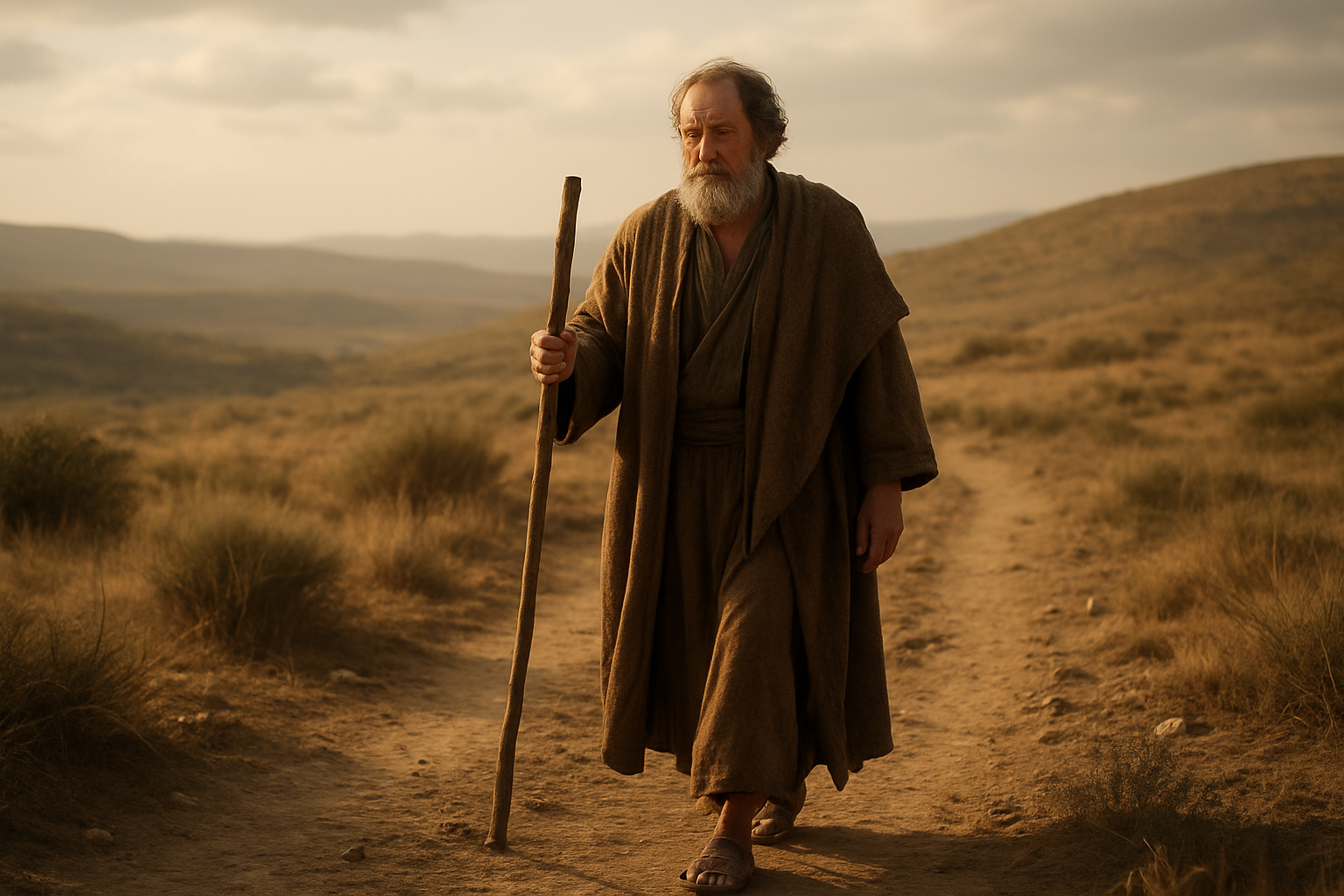
Abraham Walks Slowly: Faith Beyond Urgency and Spiritual Impatience
In a world defined by speed and efficiency, the story of Abraham from biblical texts offers a poignant reminder of the power of patience and deliberate faith. Abraham, known as the patriarch of three major world religions—Judaism, Christianity, and Islam—embodies a commitment to trust and divine timing that challenges modern notions of urgency.
Abraham’s Journey: A Path of Faith
According to The Book of Genesis, Abraham’s journey began with a divine call to leave his homeland and venture to an unknown land that God promised to show him (Genesis 12:1-2, English Standard Version, Bible Gateway). This leap of faith set the stage for a life marked by continuous trust, despite the absence of clear, immediate outcomes.
“Go from your country, your people and your father’s household to the land I will show you. I will make you into a great nation, and I will bless you.” – Genesis 12:1-2
Abraham did not rush. His path was marked with challenges and the ultimate test of faith—his willingness to sacrifice his son Isaac. This narrative invites reflection on how faith can sustain purpose in the face of trials and waiting.
The Contrast to Modern Impatience
Today’s fast-paced world prioritizes immediate gratification. Instant connections and quick solutions dominate our daily experiences. However, Abraham’s story offers a countercultural perspective: true faith involves trusting in processes beyond our control, embracing uncertainty with patience, and allowing life to unfold at its own pace.
- Patience in Promise: Abraham’s life illuminates the virtue of waiting. His prolonged patience, as he awaited God’s promises, starkly contrasts with modern spiritual impatience.
- Unshakeable Trust: Despite numerous setbacks, Abraham’s trust remained steadfast. This unwavering belief is a model for navigating contemporary challenges with resilience.
Lessons from Abraham’s Walk
Abraham’s journey teaches us that faith reaches beyond immediate gratification and involves deep-seated trust. Making informed, deliberate choices, and allowing time to reveal the broader picture can lead to profound spiritual growth.
As John Gill, a British theologian, once highlighted, “Faith is not a leap in the dark; it is a trust in the light.” This notion of faith aligns with Abraham’s narrative and encourages people to find solace in slow, steady progress rather than succumbing to the pressures of speed and immediacy.
May we all find inspiration in Abraham’s slow, steady walk of faith to face our own uncertain journeys with courage and patience.