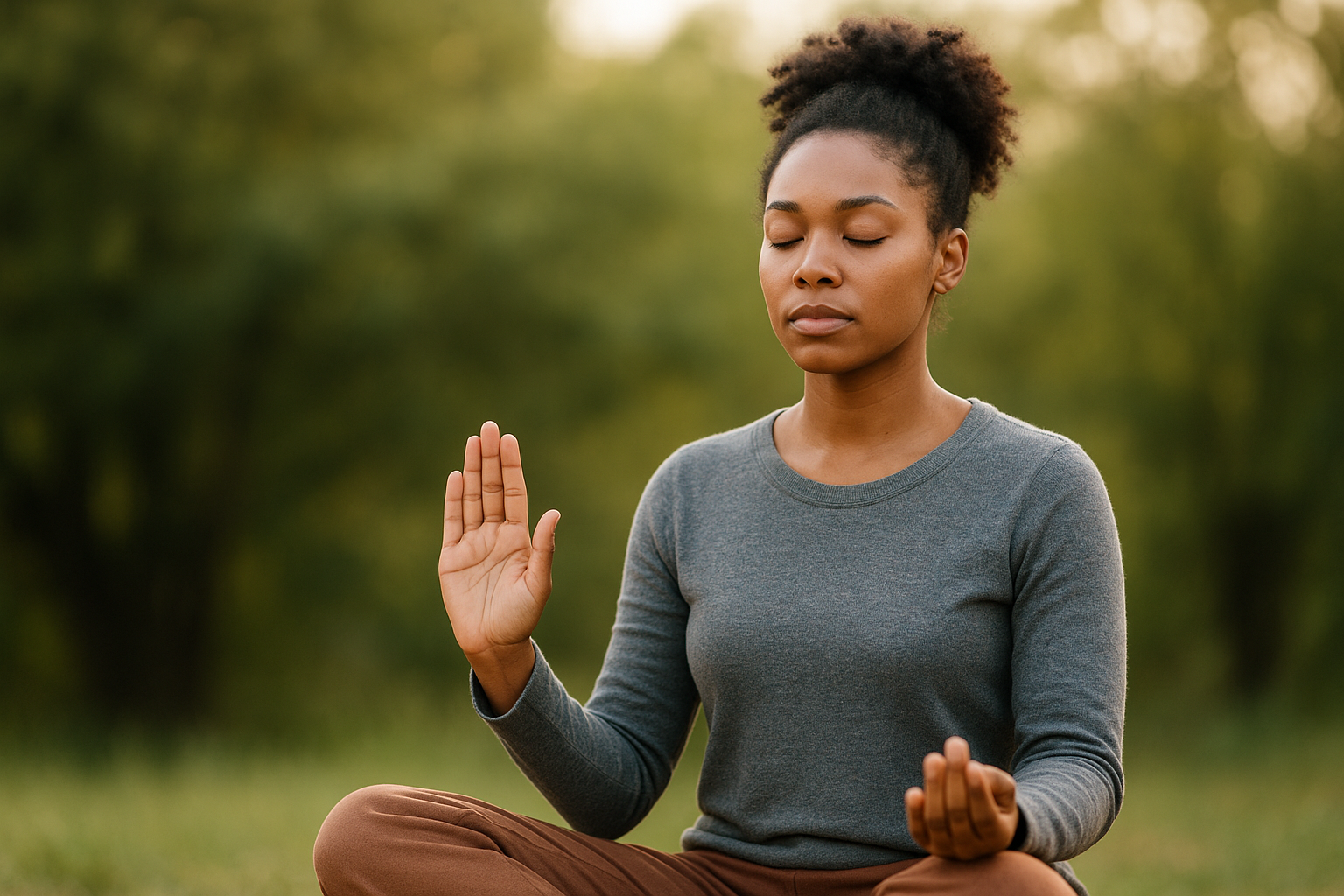
Peace as a Spiritual Discipline: Choosing Restraint Over Reaction
In a world increasingly driven by instant gratification, the discipline of choosing peace over reaction is a profound spiritual practice. At its core, this discipline involves a commitment to inner tranquility, even amidst chaos. The ability to choose restraint over reaction not only leads to personal growth but also contributes to a more harmonious society.
Understanding the Concept of Peace
Peace is often misconstrued as merely the absence of conflict. However, true peace is much deeper; it is an internal state of calm and contentment. According to renowned spiritual teacher Thich Nhat Hanh, “Peace is every step. It turns the endless path to joy.” This statement underscores the notion that peace is an ongoing practice rather than a destination to be reached.
Restraint as a Spiritual Discipline
Restraint, especially in moments of emotional upheaval, is a key component of many spiritual traditions. The practice requires mindfulness and a conscious effort to pause before reacting. The Dalai Lama asserted, “Do not let the behavior of others destroy your inner peace.” Choosing restraint involves recognizing the power in not allowing external disturbances to dictate one’s inner state.
The Role of Mindfulness
Mindfulness is a powerful tool in the practice of restraint. It involves maintaining a moment-to-moment awareness of thoughts, feelings, bodily sensations, and the surrounding environment without judgment. Through mindfulness, individuals can learn to observe their initial reactions and choose responses that align more closely with their values of peace and harmony.
“Between stimulus and response there is a space. In that space is our power to choose our response. In our response lies our growth and our freedom.” – Viktor E. Frankl
Practical Steps to Practice Restraint
- Pause and Reflect: In moments of tension, take a pause to breathe deeply and reflect on the situation. This creates a buffer between stimulus and response, allowing for more considered actions.
- Engage in Regular Meditation: Consistent meditation practice enhances self-awareness and cultivates a peaceful mind, making it easier to respond with calmness and clarity.
- Set Intentions: Begin each day with the intention to cultivate peace in thoughts, words, and actions.
- Practice Compassionate Communication: Approach interactions with empathy and understanding, which can diffuse tensions and promote peaceful resolutions.
The Impact of Peaceful Choices on Society
When individuals prioritize peace and make conscious decisions to react with restraint, it creates a ripple effect throughout society. Peaceful individuals contribute to peaceful communities. As expressed by Mahatma Gandhi, “Be the change that you wish to see in the world.” This call for personal accountability in fostering peace is as relevant today as ever. [For more about Gandhi’s philosophies, see Gandhi Heritage Portal]
Challenges and Rewards of Cultivating Peace
The path toward cultivating peace through restraint is fraught with challenges. The fast-paced nature of modern life and constant stimuli from digital technology can make it difficult to maintain focus on peace. However, the rewards are profound; individuals report higher levels of happiness, improved relationships, and a greater sense of fulfillment.
“Peace cannot be kept by force; it can only be achieved by understanding.” – Albert Einstein
Conclusion
The spiritual discipline of choosing restraint over reaction is a powerful practice with the potential to transform individuals and societies. As more people commit to cultivating inner peace, the ripple effect may result in broader social transformation. By prioritizing peace, individuals not only enrich their own lives but also help in creating a world where harmony and understanding prevail.
For more insights on spiritual disciplines and the practice of peace, resources such as Plum Village, founded by Thich Nhat Hanh, offer valuable guidance.