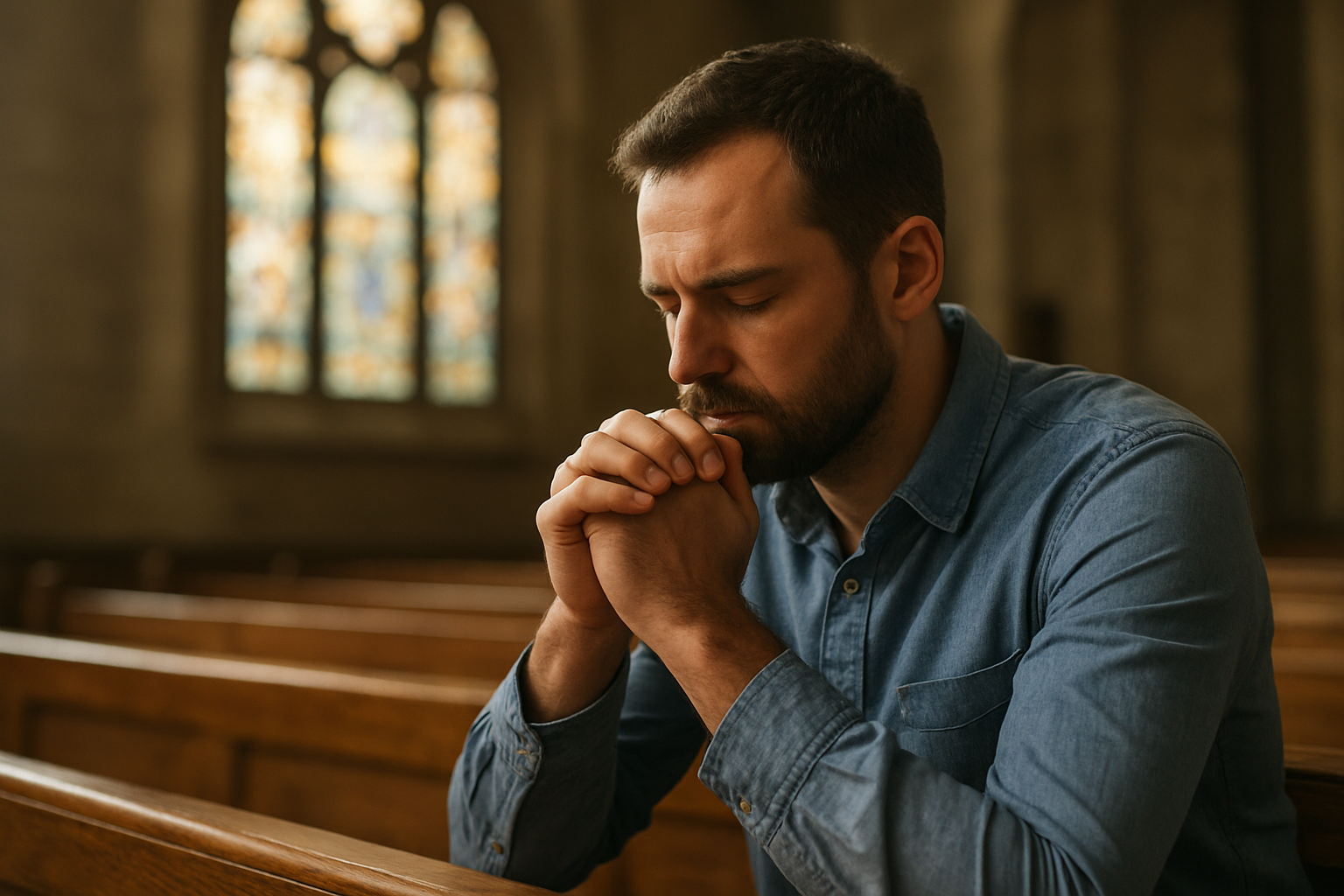
The Courage to Slow Down Before God: Resisting Sacred Burnout
In our fast-paced world, the pressure to be constantly productive and “on the go” extends beyond professional and personal spheres, seeping into our spiritual lives. This phenomenon, often referred to as sacred burnout, reflects a state of spiritual exhaustion where busyness replaces genuine connection with the divine. This article explores the importance of slowing down, taking mindful pauses, and cultivating a deeper relationship with God.
Understanding Sacred Burnout
Many people find themselves caught in a whirlwind of religious activities: attending services, participating in committees, and volunteering for various church functions. While these activities can be fulfilling, they often lead to spiritual exhaustion when performed without intentional reflection. Sacred burnout occurs when one’s spiritual life becomes a checklist rather than a spiritual journey.
“The danger is that busy-ness replaces the genuine religious task of reaching out to God, of listening in silence for the small, still voice, and of establishing a personal relationship with the divine.”
—The Guardian
The Significance of Slowing Down
Slowing down is more than a physical act; it’s a spiritual discipline that requires courage and intentionality. Just as athletes need rest days, so too do our souls require moments of stillness to rejuvenate and reflect. Here are a few key reasons to embrace the practice of slowing down:
- Enhancing Spiritual Awareness: Intentional pauses allow for deeper spiritual reflection, fostering awareness and sensitivity to God’s presence.
- Preventing Burnout: Regular respite prevents energy depletion, ensuring that spiritual practices remain rewarding and sustainable.
- Cultivating Patience: Slowing down nurtures patience, an essential virtue for waiting on God’s timing and understanding divine purposes.
Practical Steps to Slow Down
Implementing the practice of slowing down demands practical steps, especially in the frenetic pace of modern life:
- Intentionally Schedule Quiet Time: Just as meetings and appointments are scheduled, allocate specific times in your calendar for quiet reflection and prayer. Make this time sacred and non-negotiable.
- Embrace Silence: Seek environments free from distractions where you can sit in silence. Silence allows you to open your heart to receive guidance and insight.
- Practice Mindfulness in Daily Tasks: Infuse mundane tasks with mindfulness, such as mindful walking or eating, transforming ordinary moments into spiritual opportunities.
- Engage in Contemplative Prayer: Contemplative practices such as centering prayer, which involves the silent repetition of a sacred word, can deepen your spiritual awareness and connection.
The Role of Community
While personal reflection is essential, community plays a vital role in resisting sacred burnout. Engaging with a supportive faith community can provide accountability, encouragement, and shared wisdom. Communities help remind each other to prioritize spiritual health over religious obligations.
“It is important for a community to create shared spaces for silence and reflection that foster a culture of spiritual health.”
—Spirituality & Practice
Courage to Let Go
Ultimately, slowing down requires the courage to let go of the fear of missing out on the constant hustle. Trusting in God’s providence and timing allows individuals to release themselves from the pressure of ceaseless action, finding peace in the knowledge that God’s work is accomplished not just in action, but also in rest.
One must have the courage to redefine what success looks like in their spiritual lives. Moving away from quantifiable achievements to a deeper, unquantifiable sense of peace and presence with God can be transformational.
Conclusion
Embracing the courage to slow down is a countercultural yet profoundly necessary step toward spiritual renewal and resistance against sacred burnout. By relearning the art of patience, questing for peace beyond productivity, and trusting in the divine plan, individuals can nurture a more authentic and enriched spiritual life. Let us find the bravery to pause, listen, and reflect deeply in God’s presence.
In this journey, remember the comforting words of Psalm 46:10, “Be still, and know that I am God.” May this be a guiding light encouraging each soul to embrace the sacred pause and reconnect with the divine source of grace and rest.