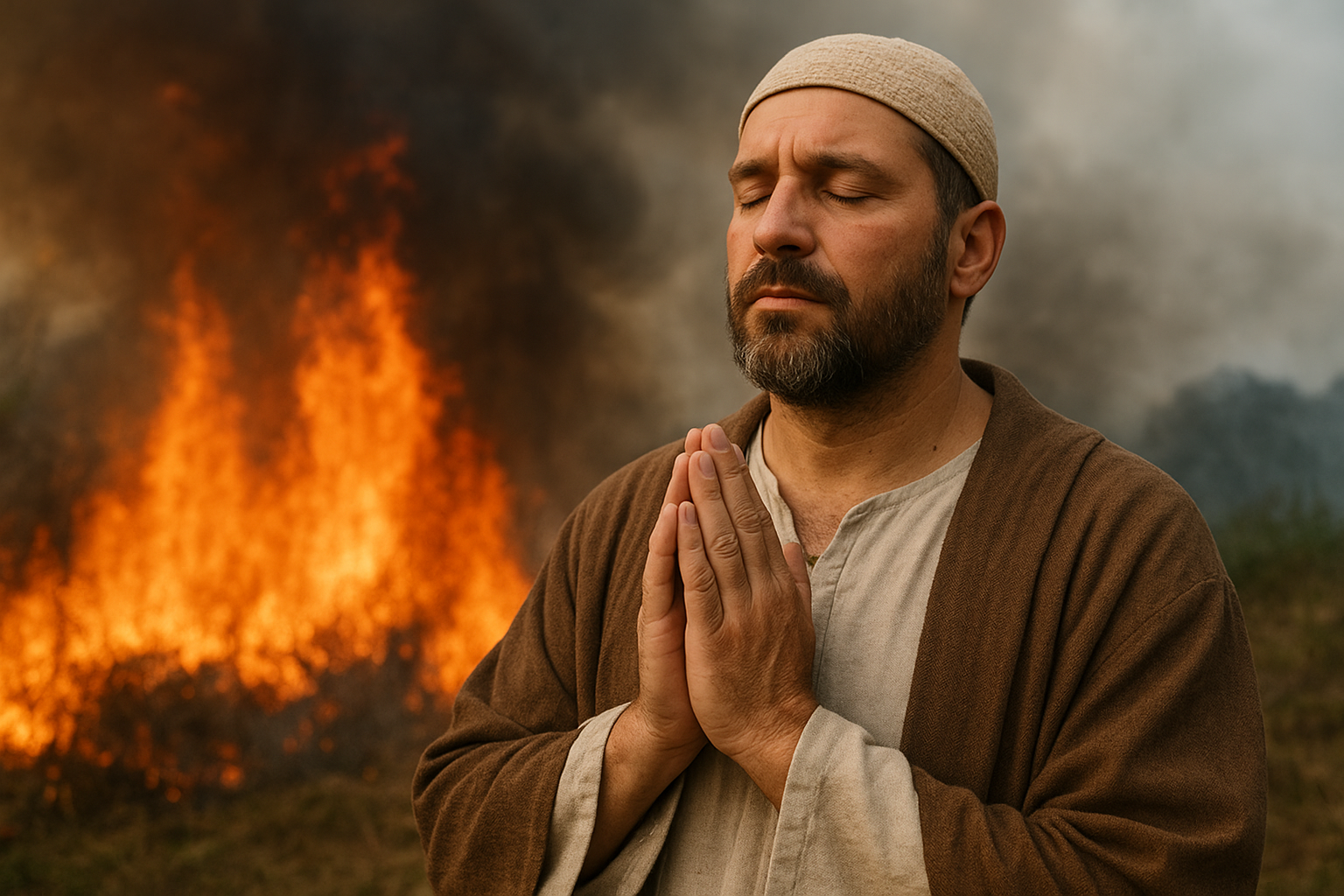
Spiritual De-Escalation in a Violent World: How Faith Traditions Cool the Fire
In a world riddled with conflict and violence, spiritual traditions offer pathways to peace and understanding, cooling the fires of aggression and discontent. Across different faiths, the principle of compassionate engagement becomes a common thread, promoting peace over division.
The Core of Compassionate Practice
Many spiritual teachings emphasize compassion as a foundational principle for conflict resolution. For instance, Buddhism advocates for metta, or loving-kindness, as a practice to cultivate goodwill towards all beings. As the Dalai Lama famously said,
“My religion is very simple. My religion is kindness.”
This philosophy guides followers to replace anger with understanding, allowing for de-escalation in personal and communal conflicts.
Interfaith Dialogue and Understanding
Interfaith dialogue plays a crucial role in spiritual de-escalation. By fostering conversations among different religious traditions, these dialogues focus on shared values rather than divisions. In the words of Mahatma Gandhi,
“Religions are different roads converging to the same point.”
Through organizations like the United Religions Initiative, people from diverse communities engage in dialogue to promote global peace and understanding.
Non-Violence as a Spiritual Mandate
Non-violence is a central tenet in several faith traditions. In Christianity, Jesus’ teachings of turning the other cheek encourage followers to respond to violence with peace. Similarly, Ahimsa, a concept central to Hinduism and Jainism, promotes non-violence as an ethical duty. These teachings serve as tools for individuals and communities to respond to aggression without perpetuating cycles of conflict.
Practical Applications and Community Engagement
Faith communities around the world actively apply these spiritual principles in their local contexts through initiatives that address root causes of violence such as poverty, inequality, and injustice. Programs focusing on education, dialogue, and service to others embody these spiritual mandates, creating environments where peace can flourish. For example, the September 11th Families for Peaceful Tomorrows is an advocacy organization led by family members of 9/11 victims, dedicated to promoting peace and preventing war.
Conclusion
Spiritual traditions across the globe offer timeless wisdom and practical tools to address the violence that pervades our world. By promoting compassion, engaging in dialogue, and committing to non-violence, these teachings provide a roadmap for de-escalating conflicts, helping humanity move towards a more peaceful and harmonious existence. In the words of Martin Luther King Jr.,
“Darkness cannot drive out darkness; only light can do that. Hate cannot drive out hate; only love can do that.”