Peace Is Not Passivity: Strength Through Non-Reactivity
In a bustling world where conflicts and challenges seem ever-present, the idea of peace is often misconstrued as passivity. However, true peace is far from being indifferent or inactive; it is a state of inner strength and resilience. This article explores the concept of peace as strength through non-reactivity, illustrating how choosing non-reaction can lead to empowerment and profound change.
Understanding Peace and Passivity
The common misconception that peace equates to passivity stems from a superficial understanding of what it means to be peaceful. To many, peace is seen as simply avoiding confrontation or staying silent in the face of injustice. However, true peace is an active, engaged stance that requires courage and a deep inner awareness.
“Peace cannot be kept by force; it can only be achieved by understanding.” – Albert Einstein
The realization is that peace involves a proactive commitment to understanding and empathy. It calls for an engaged presence and an active choice to refrain from reactive behaviors that often escalate situations rather than resolve them.
The Strength of Non-Reactivity
Non-reactivity is not about suppressing emotions or ignoring problems. Rather, it is about cultivating the space to respond thoughtfully and intentionally. Mastering non-reactivity involves several key components:
- Self-Awareness: Understanding one’s emotions and triggers is crucial. This awareness allows individuals to pause before reacting impulsively.
- Mindfulness: Practicing mindfulness helps in staying present and attentive. It prevents the mind from being hijacked by automatic negative thoughts or knee-jerk reactions.
- Empathy: Seeing a situation from another’s perspective can defuse anger and foster a stronger, more peaceful interaction.
- Patience: Cultivating patience gives both the self and others the time to process feelings and reactions adequately.
“In the practice of tolerance, one’s enemy is the best teacher.” – Dalai Lama
In the process of dealing with challenges, the non-reactivity stance does not mean inaction. Instead, it is about measured action that springs from a place of calm wisdom and strategic thinking.
Transforming Conflicts Through Peace
When peace is understood as an active and strong state, it becomes a powerful tool for conflict resolution. Consider the teachings of Martin Luther King Jr., who advocated for nonviolent resistance. His approach was not passive but rather a strategic form of active non-reactivity that sought to bring about change through peaceful means.
“Nonviolence is a powerful and just weapon. It is a weapon unique in history, which cuts without wounding and ennobles the man who wields it.” – Martin Luther King Jr.
This approach shifts the focus from retaliatory reactions to constructive action. Instead of fanning the flames of hostility, peace-oriented strategies encourage dialogue, understanding, and compromise.
Cultivating Inner Peace
Creating peace in the external world requires us to first cultivate it within ourselves. Here are some practical steps to develop inner peace through non-reactivity:
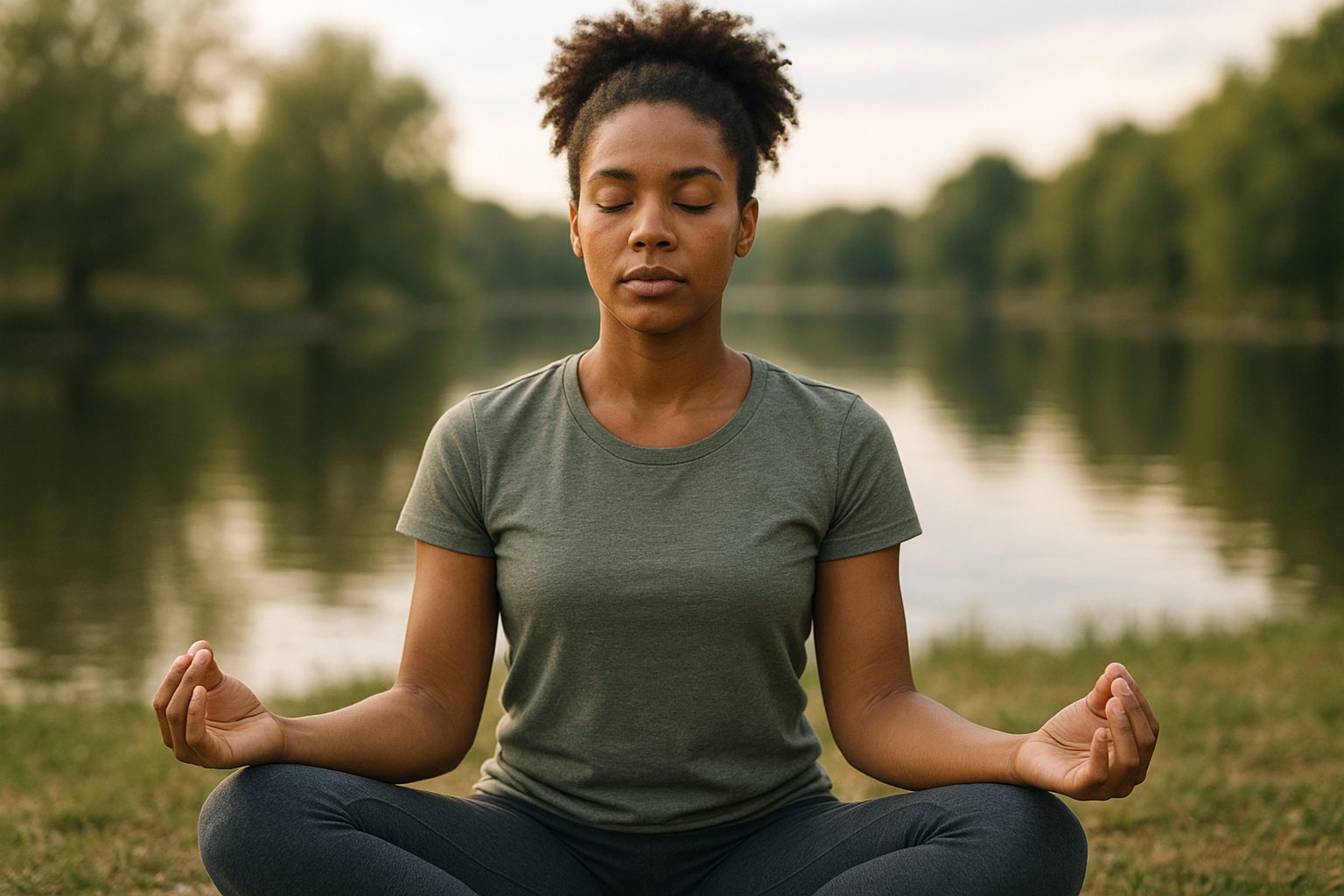
- Meditation: Regular meditation practice enhances self-awareness and trains the mind to remain calm amidst turmoil.
- Journaling: Writing down thoughts and emotions can help process them in a non-reactive manner.
- Mindful Breathing: Simple breathing exercises can quickly ground us and prevent impulsive reactions.
- Seeking Inspiration: Reading books or listening to talks by peace advocates can reinforce the value and practice of peace.
By incorporating these practices, individuals can build resilience and strength from within, enabling them to approach life’s challenges with grace and composure.
Conclusion
In summary, peace as non-reactivity is not synonymous with weakness or inaction. It embodies a powerful strength that requires thoughtful presence and deliberate choices. Embracing non-reactivity allows for a transformative way to handle conflicts, achieve understanding, and ultimately, foster a more harmonious existence.
In a world where reactions are often instantaneous and fueled by emotion rather than reason, choosing peace not only uplifts individuals but also contributes positively to society. As we embrace this concept, we realize that peace is not merely the absence of war or conflict—it is the presence of serene strength amidst the chaos.
“If we are to reach real peace in this world, we shall have to begin with the children.” – Mahatma Gandhi
Let us strive to be the embodiment of peace—considered, balanced, and above all, strong. For it is in this strength that true change becomes not only possible but also inevitable.