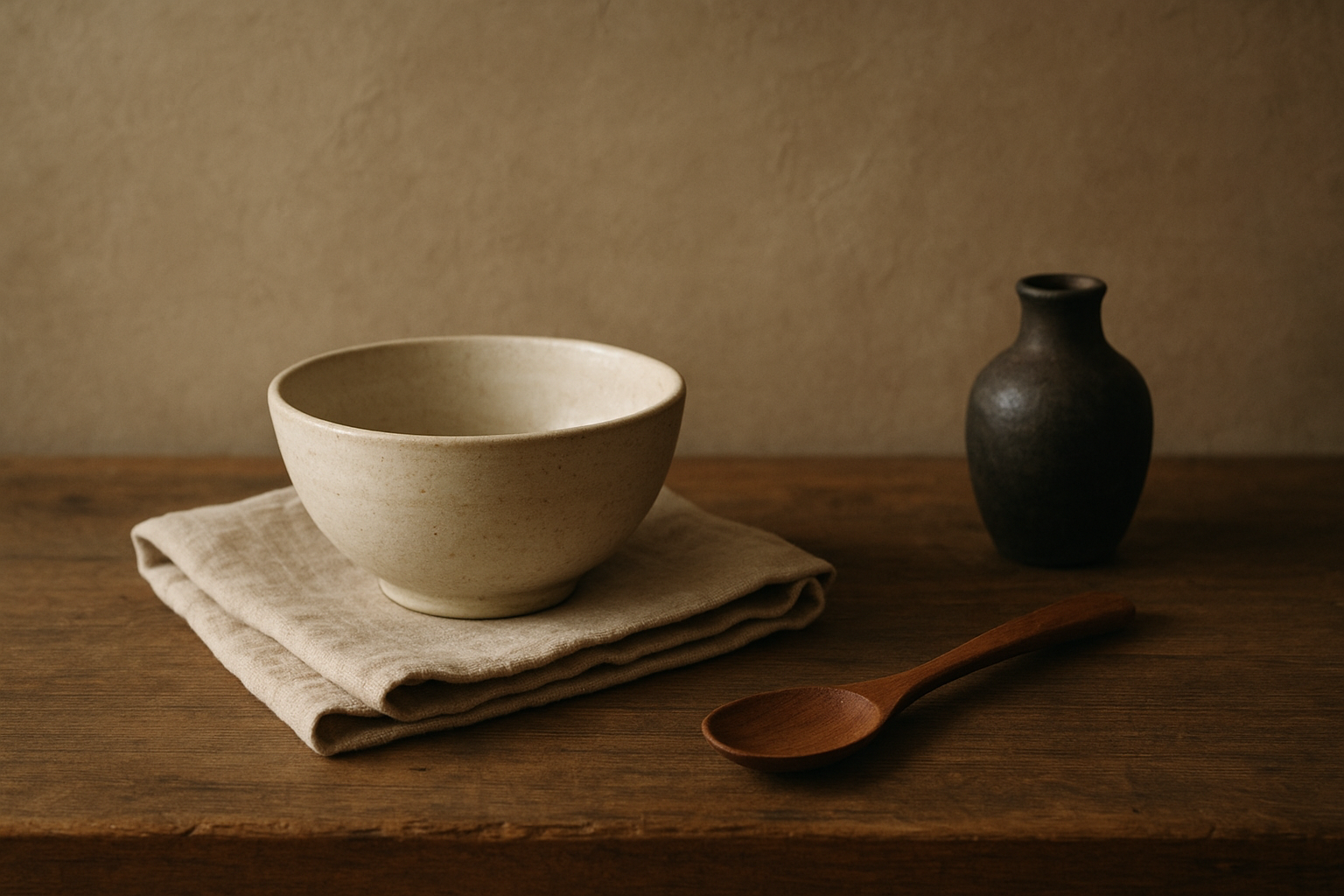
Zen Poverty and Sacred Simplicity: Choosing Enough Instead of More
In today’s world, where material wealth is often equated with success and happiness, the concepts of Zen poverty and sacred simplicity offer a refreshing and counterintuitive perspective. These philosophies encourage individuals to choose ‘enough’ instead of constantly striving for ‘more’, emphasizing contentment, mindfulness, and intentional living. This article explores the origins, principles, and benefits of adopting such an approach to life.
The Philosophical Roots of Zen Poverty
Zen Buddhism forms the foundation of Zen poverty, a concept that embraces simplicity and minimalism. According to Zen teachings, true happiness and fulfillment do not stem from material possessions but from an inner peace that comes from understanding and accepting the present moment. Thich Nhat Hanh, a renowned Zen master, articulated this philosophy well:
“Peace is present right here and now, in ourselves and in everything we do and see. The question is whether or not we are in touch with it.”
Zen poverty is a life choice inspired by the principles of humility and mindfulness, resonating with the Buddhist vows of poverty taken by monks who aim to live with only what they need while emphasizing spiritual richness over material wealth.
The Meaning of Sacred Simplicity
Sacred simplicity is about finding contentment with less and embracing what truly matters. It calls for stripping away the non-essential to discover the sacred in everyday living. Albert Einstein echoed this sentiment when he said,
“Out of clutter, find simplicity. From discord, find harmony. In the middle of difficulty lies opportunity.”
By prioritizing what is essential, individuals can lead more meaningful and peaceful lives.
The Psychological Benefits of Embracing ‘Enough’
- Reduced Stress: The continuous pursuit of more can lead to a never-ending loop of stress and anxiety. By opting for enough, individuals can alleviate the pressure that comes with maintaining a materialistic lifestyle.
- Enhanced Focus and Clarity: Fewer belongings mean less clutter, both physically and mentally. This clarity allows for heightened focus and better decision-making.
- Increased Happiness: Studies, such as those conducted by Michael Neill, an internationally renowned coach, show that reducing material desires can lead to an increase in happiness and life satisfaction.
Practical Steps to Incorporate Zen Poverty and Sacred Simplicity
- Mindful Consumption: Evaluate your needs versus wants. Before making a purchase, ask yourself if it adds value to your life.
- Decluttering: Regularly assess and remove items that don’t serve a purpose or bring joy. Marie Kondo, a tidying expert, suggests keeping only what “sparks joy.”
- Prioritizing Experiences Over Possessions: Invest in experiences rather than material goods. Memories from a trip or a shared meal can provide lasting happiness compared to the temporary pleasure of a new gadget.
- Meditation and Mindfulness Practices: Incorporate daily mindfulness practices to cultivate an attitude of gratitude and presence.
The Challenges and Solutions of Adopting Simplicity
While the journey towards Zen poverty and sacred simplicity is rewarding, it is not without challenges. Society often urges individuals to consume more, equating possessions with status and power. Breaking free from this mindset requires conscious effort and resilience.
- Societal Pressure: Engage in communities or groups that share similar values to gain support and inspiration.
- Habitual Consumption: Use tools and apps to track spending and identify areas where you can cut back.
A Vision of a Simpler World
Imagine a society where individuals are not driven by the lust for accumulation but are content with what they have. A world where people measure success by the quality of their relationships, health, and personal growth, rather than their bank balance.
Authors like Henry David Thoreau in Walden have long advocated for a return to simplicity and intentional living:
“I went to the woods because I wished to live deliberately, to front only the essential facts of life, and see if I could not learn what it had to teach, and not, when I came to die, discover that I had not lived.”
Conclusion
Choosing ‘enough’ instead of ‘more’ is a radical act in today’s consumerist culture. Yet, by embracing Zen poverty and sacred simplicity, one can cultivate a richer, more meaningful life. It requires a shift in values and mindset, focusing on what truly matters. This transformative journey not only enhances personal well-being but also contributes to a more sustainable and harmonious world.
To learn more about living a simple and fulfilling life, explore books like The Art of Stillness by Pico Iyer, which discusses the importance of slowing down and finding peace in the present moment.