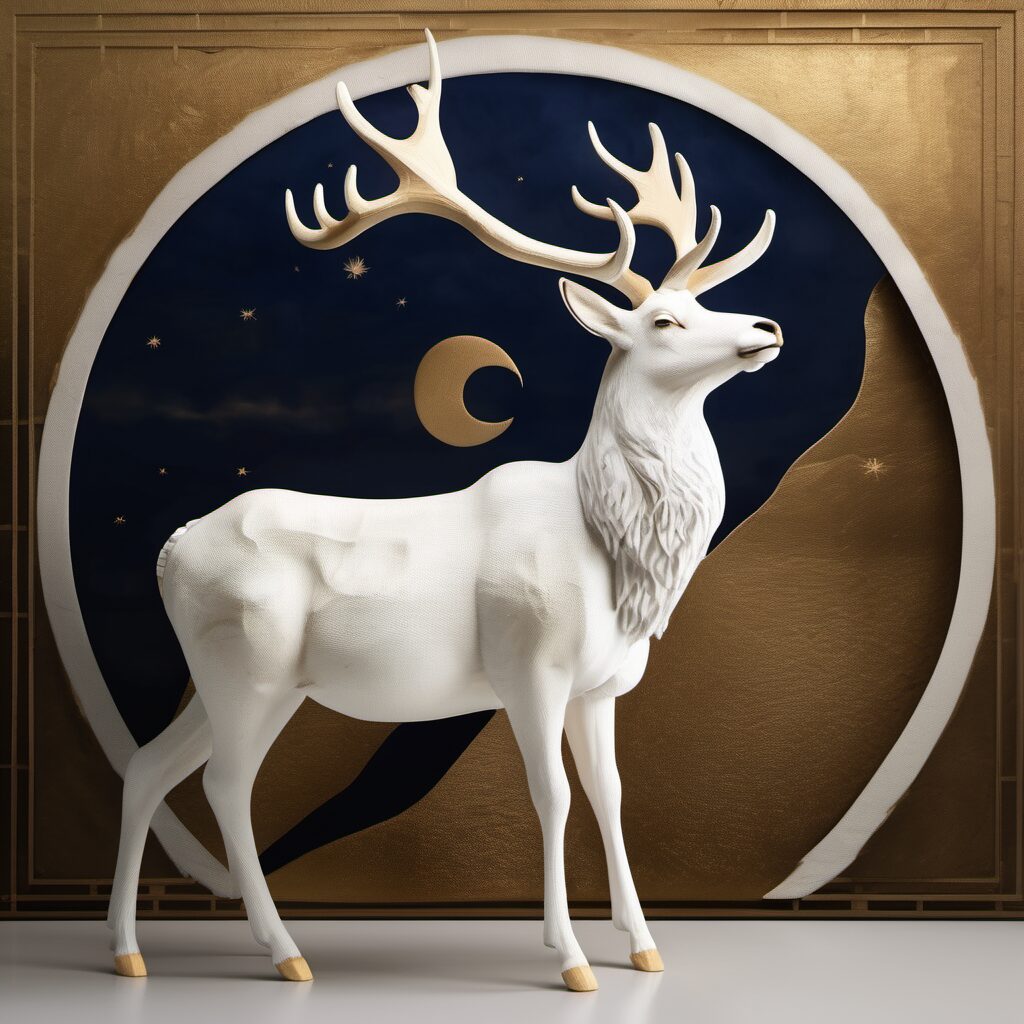
Interspecies Harmony – The effect of gong music on animals
Gongs have been used for centuries in various cultures to promote relaxation, meditation, and inner peace. But what about the impact it has on our furry friends? Research suggests that gong music can have a profound effect on animals, promoting harmony and understanding between species.
- A study by the Animal Behavior Institute found that dogs exhibited reduced stress levels and improved behavior when exposed to gong music. One participant was quoted as saying, “The gong soundscapes made me feel calm and comfortable.”
- Dr. Jane Goodall, renowned primatologist, notes that chimps have been observed to respond positively to gong music, displaying reduced agitation and increased social interaction.
- A research paper published in the Journal of Animal Behavior highlights the benefits of gong music on farm animals, stating that it can reduce stress and improve milk production.
Dr. Jeffrey Meldrum, a renowned expert in animal behavior, emphasizes the importance of interspecies harmony: “By understanding how different species respond to sound, we can develop more effective methods for communicating with animals, promoting their well-being, and ultimately fostering greater empathy between humans and animals.”
As the Dalai Lama so eloquently puts it:
“Compassion is the radicalism of our time.” By embracing the power of gong music to bring species together, we can take a significant step towards creating a more compassionate world.
Conclusion
The impact of gong music on animals is undeniable. As we continue to explore the mysteries of animal behavior and cognition, it’s clear that interspecies harmony is not only possible but also essential for our collective well-being. By tuning into the sounds of the gong, we can tap into a deeper understanding and appreciation for all living beings.