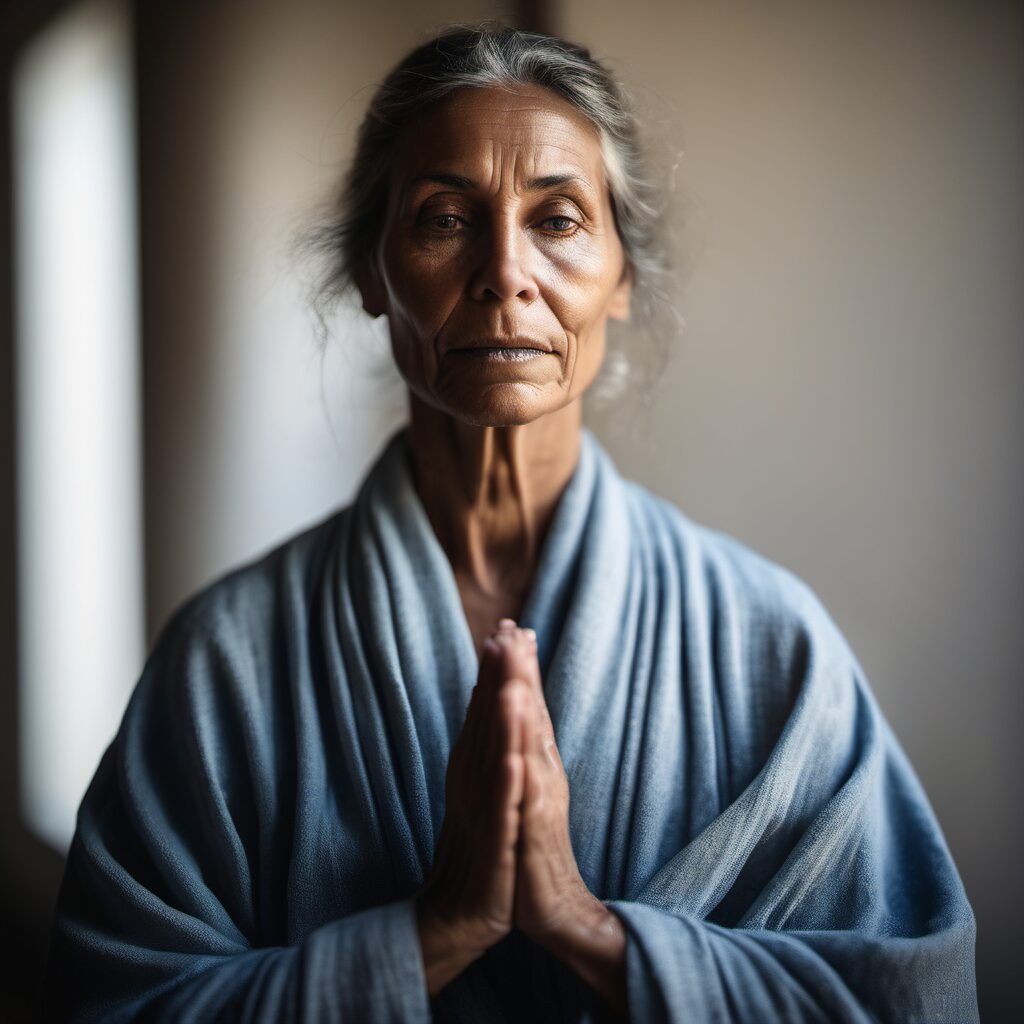
Understanding the Concept of Yin-Yang and Its Impact on Spiritual Growth
In ancient Chinese philosophy, the concept of yin-yang is a fundamental principle that describes the interconnectedness and interdependence of seemingly opposite forces. This holistic perspective has far-reaching implications for spiritual growth, allowing individuals to cultivate balance, harmony, and enlightenment.
- The Interplay between Yin and Yang
- Yin represents the receptive, passive, and feminine aspects of life, symbolized by the moon and the night.
- Yang represents the creative, active, and masculine aspects of life, symbolized by the sun and the day.
The concept of yin-yang is not just about two separate forces, but rather an eternal cycle where one aspect flows into the other. As Lao Tzu so eloquently put it:
“The Tao does nothing, and yet nothing is left undone.”
This dynamic interplay has profound implications for spiritual growth. By recognizing and embracing the yin-yang principle, individuals can:
- Become aware of their own inner balance and harmony
- Develop a deeper understanding of the interconnectedness of all things
- Foster a sense of unity and wholeness within themselves and with the world around them
To cultivate yin-yang awareness, try incorporating these practices into your daily routine:
- Take time to meditate on the receptive, passive aspects of life (yin)
- Engage in creative pursuits that reflect the active, masculine qualities (yang)
- Practice yoga or tai chi to cultivate balance and harmony between yin and yang energies
Conclusion: The concept of yin-yang offers a powerful framework for understanding the interconnectedness of all things. By embracing this ancient wisdom, individuals can deepen their spiritual growth, fostering greater balance, harmony, and enlightenment in their lives.
For more insights on the concept of yin-yang and its applications, explore these resources: