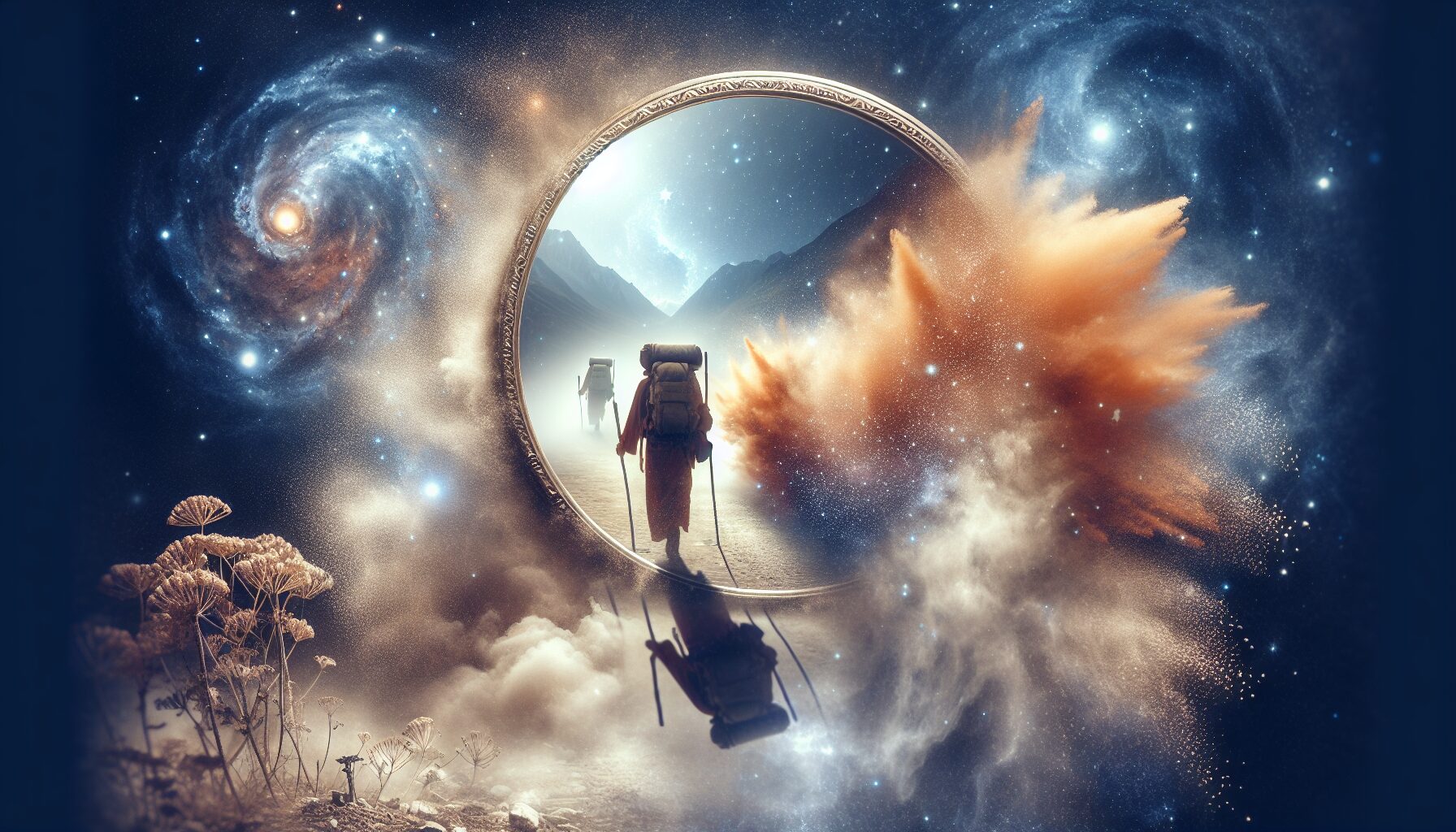
From the ancient footpaths carved into the earth to the modern highways stretching across continents, pilgrimages have been an integral part of human history. They are journeys of spiritual significance, offering travelers a chance to explore the relationship between dust and stars — the mundane realities and transcendent aspirations of existence.
The Essence of Pilgrimage
Pilgrimage is more than a trek to a sacred site; it is a transformative inward journey that mirrors the broader human condition. The act of walking, often under physical duress, brings the traveler into the present moment. As writer Rebecca Solnit observes in her book “Wanderlust: A History of Walking”, “Walking… is how the body measures itself against the earth.”
- Spiritual Reflection: Many believe that pilgrimage routes rest under the guidance of celestial paths, linking earthly pilgrimage with cosmic journeys.
- Physical Endurance: The grueling nature of many pilgrimages, from the Camino de Santiago to the Hajj, epitomizes the endurance required to face life’s trials.
The Historical Thread
Historically, pilgrimages were not only expressions of faith but also opportunities for societal change and personal enlightenment. The importance of the journey lies in its uncertainty and ability to foster connections among diverse individuals.
“The journey itself is my home.”
— Japanese poet Matsuo Bashō
Across cultures, from the Buddhist pilgrimages to Bodh Gaya to the Islamic pilgrimage of Hajj, the act reaffirms commitment to something greater than oneself. Each step challenges the pilgrim to relinquish the ego, abandoning material distractions for spiritual gain.
Modern Pilgrimage: A Search for Meaning
In the contemporary era, characterized by rapid technological advancements and globalization, pilgrimages have taken on new dimensions. Individuals embark on these journeys to detach from the chaos of modern life, seeking solace and purpose.
- Rediscovery of Identity: Individuals walking the Camino de Santiago often describe their journey as a period of profound self-discovery.
- Digital Detox: Many modern pilgrims turn to these paths as a form of digital detox, disconnecting from devices to reconnect with nature and themselves.
Pilgrimage as a Mirror
The parallel between a pilgrimage and human existence is poignant. Both are fraught with moments of joy, struggle, and revelations. The pilgrim becomes a microcosm of humanity’s eternal quest — a quest for meaning, understanding, and connection.
Christian tradition holds pilgrimages, such as the journey to Jerusalem, as a metaphor for a believer’s journey towards heavenly union. The symbolism of pilgrimage as life encapsulates the trials and triumphs of moving through the world. As theologian Thomas á Kempis wrote in The Imitation of Christ, “This life is the way to eternal life.”
Environmental and Cultural Preservation
With growing environmental awareness, pilgrimages now also serve as catalysts for cultural and environmental preservation. Pilgrims mobilize resources to protect historical routes and sites against the encroachment of modern development.
- Cultural Interactions: Routes like the Kumano Kodo in Japan showcase the blend of cultural heritage and natural beauty, inspiring conservation efforts.
- Environmental Stewardship: Pilgrims often become advocates for protecting the landscapes traversed during their journeys.
The Everlasting Journey
Ultimately, pilgrimages reflect the perpetual cycle of life, encompassing beginnings, challenges, resolutions, and endings. As seekers chart their path across landscapes both familiar and foreign, they find that each step connects them to a larger tapestry of human thought and belief.
In weaving through the worlds of dust and stars, the pilgrimage becomes a mirror where existence’s complexities are unraveled and embraced. As author Paulo Coelho notes in “The Pilgrimage”, “It’s the simple things in life that are the most extraordinary” — a truth revealed in the rhythm of each pilgrim’s footsteps.