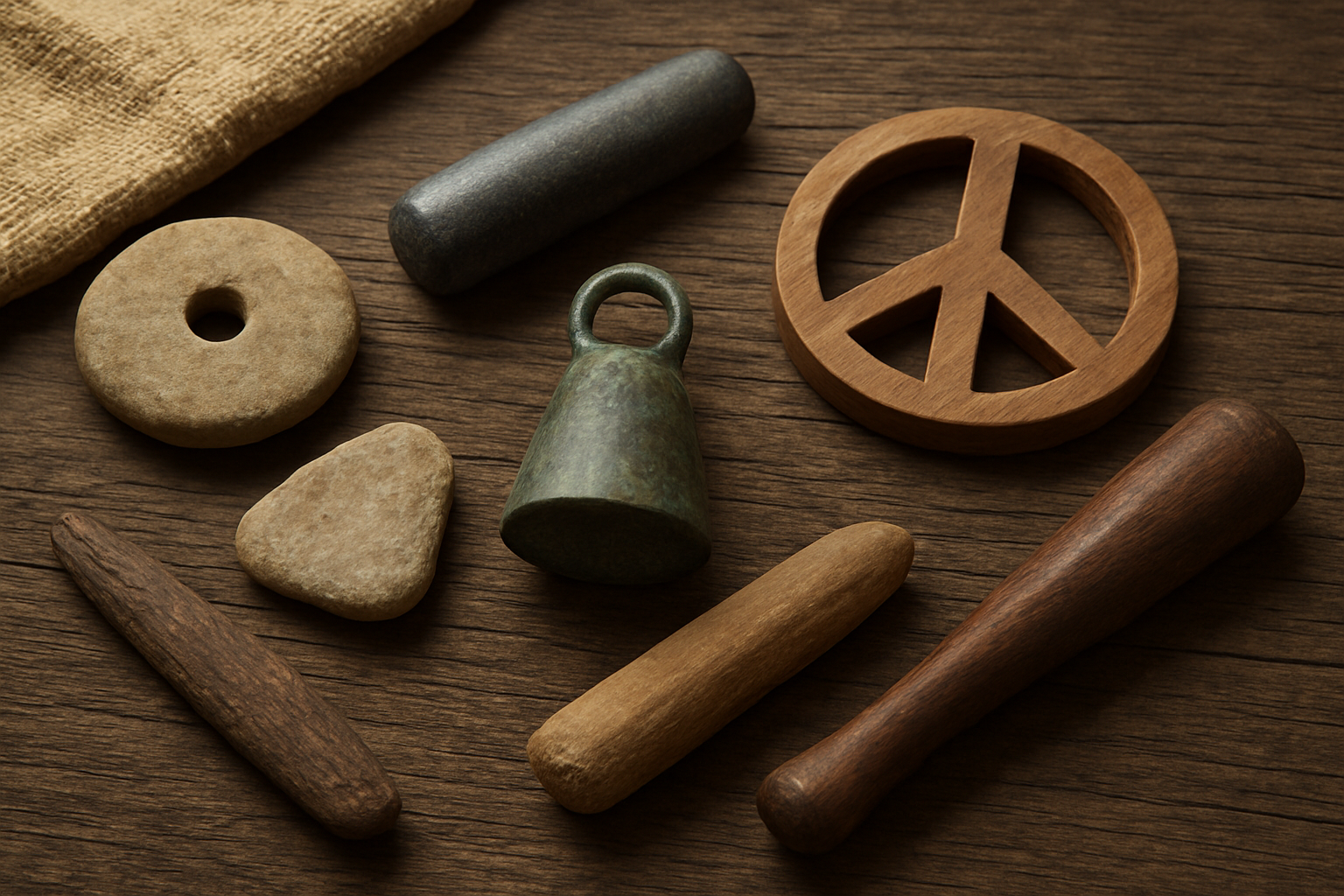
Methods for Lasting Peace: Ancient Tools for Modern Harmony
In a world that often seems engulfed in chaos and division, the pursuit of peace and harmony is as crucial as ever. While modern technology and science offer numerous solutions, ancient wisdom provides timeless tools that continue to be relevant today. This article delves into several ancient practices renowned for fostering peace and introspection, highlighting their potential benefits in our contemporary lives.
1. Meditation: The Inner Sanctuary
Meditation is a practice with roots stretching back thousands of years. From the Vedic traditions of India to the contemplative practices of the Buddhist monks, meditation has been a cornerstone of achieving inner peace and reflection.
“Meditation is not a way of making your mind quiet. It is a way of entering into the quiet that’s already there—buried under the 50,000 thoughts the average person thinks every day.” — Deepak Chopra
Meditation practices such as mindfulness meditation and transcendental meditation can enhance self-awareness and reduce stress. Many studies, such as one published by the Association for Psychological Science, underline that regular meditation can lower anxiety and improve emotional health.
2. Yoga: The Union of Body and Mind
Originating in ancient India, yoga is much more than physical exercise. It is a holistic approach that combines postures, breath control, meditation, and ethical discipline to achieve tranquility.
- Asanas: Physical postures that enhance flexibility, strength, and balance.
- Pranayama: Breathing techniques that calm the mind and improve focus.
- Dhyana: Meditation practices within yoga that promote mental clarity.
Renowned yogi Swami Sivananda once said, “Yoga is the science of unfolding the infinite potentials of the human mind and soul.” This ancient practice helps individuals connect with their inner selves, subsequently fostering a sense of peace and unity.
3. Tai Chi and Qigong: The Dance of Life
Tai Chi and Qigong are ancient Chinese traditions that blend martial arts, movement, meditation, and breathing exercises. These practices are designed to cultivate and balance qi (life energy) and have been used to enhance physical health and emotional tranquility.
- Improve Balance and Coordination: Slow, deliberate movements enhance core stability.
- Stress Reduction: The meditative aspect fosters a calm mind and relaxed body.
- Enhanced Energy Flow: Regular practice unblocks and balances the body’s energy channels.
According to the Harvard Medical School, research indicates that Tai Chi can provide significant benefits in reducing stress and anxiety, enhancing mood, and improving sleep quality.
4. Ayurveda: The Science of Life
Developed over 5,000 years ago in India, Ayurveda is one of the world’s oldest holistic healing systems. It is founded on the belief that health and wellness depend on a delicate balance between the mind, body, and spirit.
Ayurveda emphasizes the use of natural remedies, dietary practices, and lifestyle changes to promote harmony. Some of its key components include:
- Diet and Nutrition: Personalized dietary plans based on individual constitutions (doshas).
- Herbal Remedies: Use of plants and herbs to aid in healing.
- Detoxification: Techniques such as Panchakarma help in cleansing the body.
By integrating these practices, Ayurveda aims to create balance within the body, which in turn, leads to mental peace and spiritual enlightenment.
5. Sufi Practices: The Path of the Heart
Sufism, the mystical dimension of Islam, offers beautiful practices that emphasize love, devotion, and the purification of the heart. Central to Sufi practice is the concept of dhikr, the remembrance of God through repetition of divine names.
“Your heart is the size of an ocean. Go find yourself in its hidden depths.” — Rumi
Sufi whirling and chanting create a meditative state that connects the practitioner with divine love and compassion. These practices not only bring inner peace but also promote a universal message of love and unity.
Conclusion
Amidst the hustle and bustle of the modern world, it is comforting to turn to ancient practices that offer profound simplicity and depth. By integrating meditation, yoga, Tai Chi, Ayurveda, and Sufi practices into our daily lives, we can cultivate a lasting inner peace that harmonizes our existence with the world around us.
As the Dalai Lama wisely remarked, “World peace begins with inner peace.” By adopting these ancient methods, we can individually contribute to a more peaceful, humane world.