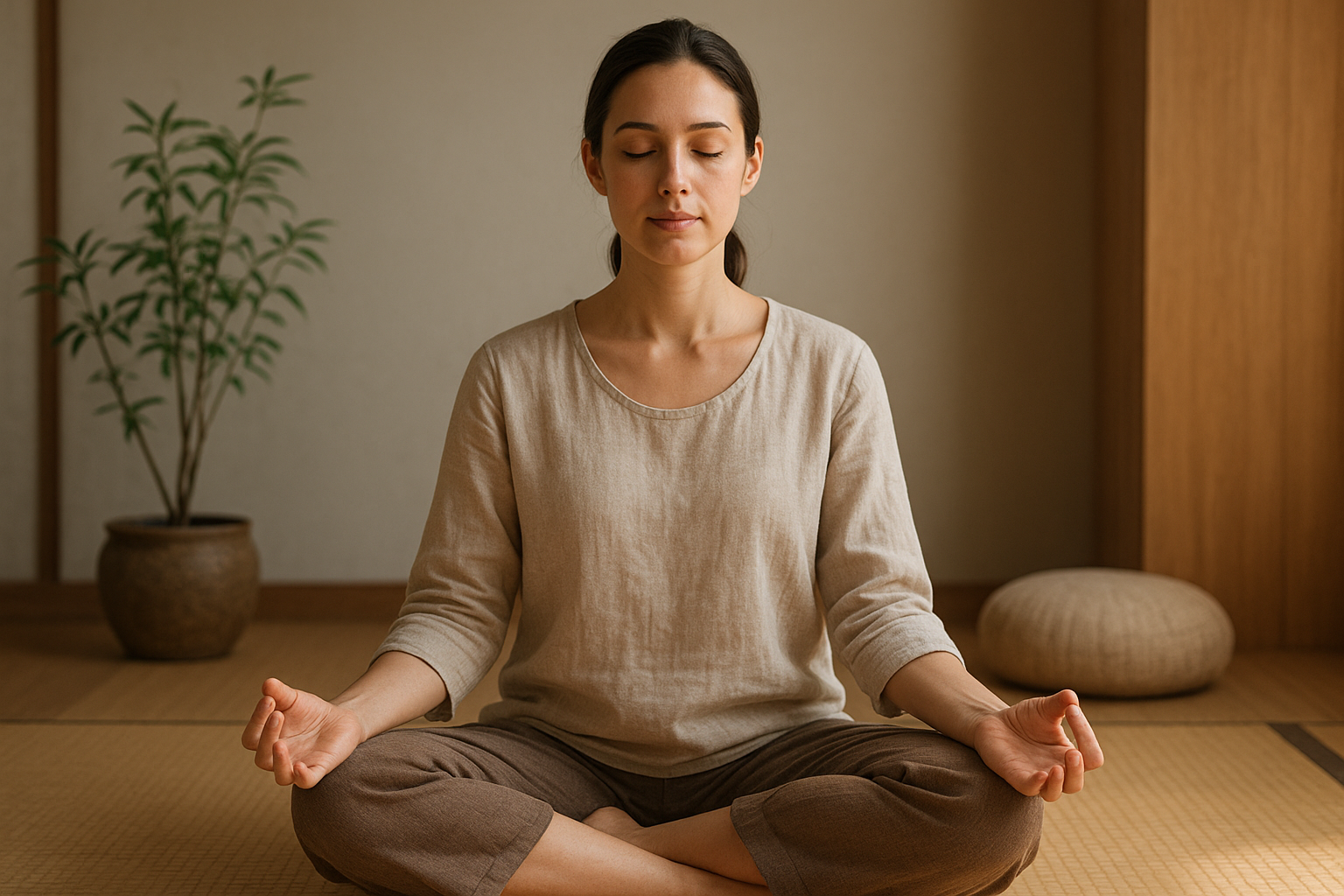
Zen Breathing Rituals: Simple Steps to Profound Calmness
In an increasingly chaotic world, finding moments of stillness and calm can be challenging. Zen breathing rituals offer a sanctuary, a retreat into the tranquility that lies within each of us. These simple yet profound techniques can transform our daily lives and help cultivate a profound sense of calmness.
The Essence of Zen Breathing
Zen Buddhism places a significant emphasis on mindfulness and living in the present. Breathing, a natural and involuntary act, is central to achieving this mindfulness. By focusing on our breath, we anchor ourselves in the present moment, freeing ourselves from past regrets and future anxieties.
According to Zen monk Thich Nhat Hanh, “Breathing in, I calm my body. Breathing out, I smile. Dwelling in the present moment, I know this is a wonderful moment.”
Benefits of Zen Breathing Rituals
- Stress Reduction: Controlled breathing can activate the parasympathetic nervous system, reducing stress hormones.
- Enhanced Focus: Consistent practice helps improve concentration and mental clarity.
- Emotional Balance: Regularly engaging in these practices can lead to a more grounded emotional state.
- Improved Physical Health: Deep breathing increases oxygen flow, which is vital for overall health.
Simple Zen Breathing Techniques
Whether you’re a seasoned practitioner or a curious beginner, these techniques can easily be incorporated into your daily routine.
1. Mindful Breathing
Mindful breathing is a foundational practice in Zen. It’s about observing the breath without trying to alter it.
“Feelings come and go like clouds in a windy sky. Conscious breathing is my anchor,” says Thich Nhat Hanh.
- Step 1: Find a comfortable seated position and close your eyes.
- Step 2: Inhale slowly through your nose, filling your lungs completely.
- Step 3: Exhale gently through your mouth.
- Step 4: Focus on your breath’s natural rhythm. If your mind wanders, gently bring it back to your breathing.
2. Counting Breath
This technique adds a layer of counting to help focus the mind and extend breath endurance.
- Step 1: Sit comfortably with your back straight.
- Step 2: Breathe in deeply, and count “one” in your mind.
- Step 3: Exhale and count “two.”
- Step 4: Continue this pattern up to ten, then start over.
3. Zen Walking Meditation
Combining breathing with walking offers a dynamic way to practice mindfulness.
- Step 1: Find a quiet place to walk slowly.
- Step 2: Walk at a natural pace, coordinating with your breath.
- Step 3: Inhale for a set number of steps, then exhale for the same number.
- Step 4: Focus solely on the sensation of walking and breathing.
Integrating Zen Breathing into Daily Life
To reap the full benefits of Zen breathing, consistency is key. Here are some tips to seamlessly integrate these practices into your routine:
- Set Aside Time: Dedicate a specific time each day, even if just for a few minutes, to practice breathing rituals.
- Use Reminders: Place sticky notes with prompts such as “breathe” around your home or workspace.
- Combine with Other Activities: Practice mindful breathing during everyday tasks like commuting or cooking.
- Join a Community: Consider participating in Zen meditation groups for shared practice and support.
Challenges and How to Overcome Them
As with any new practice, beginners may face obstacles. Here are common challenges and ways to overcome them:
Restless Mind
It’s natural for the mind to wander. Kindly bring your focus back to your breath whenever you notice distractions. Remember, it’s a part of the practice to learn how to gently redirect your thoughts.
Lack of Time
Start with short sessions and gradually increase the duration as you become more comfortable. Quality matters more than quantity.
Impatience
Bombarded by modern-day demands, impatience is common. Foster patience by celebrating small successes and maintaining a non-judgmental attitude towards your practice.
The Philosophy Behind Zen Breathing
Zen is more than a practice; it’s a philosophy that teaches us to embrace simplicity and find beauty in quietness. As renowned Zen master Shunryu Suzuki eloquently put it, “Zen is not some kind of excitement, but concentration on our usual everyday routine.”
Zen breathing instills a profound awareness and appreciation for life’s fleeting moments, revealing the serenity that resides within.
Conclusion
Zen breathing rituals are a gateway to profound calmness, offering invaluable benefits for the mind and body. Through dedicated practice, individuals can cultivate a deeper connection with themselves and the world around them. By simply breathing with intention, we embark on a transformative journey toward inner peace and enlightenment.
Embrace the simplicity of these practices and discover the quiet, enduring strength within. As Shunryu Suzuki reminds us, sometimes the path to contentment is found by embracing life’s calm, rhythmic breath.