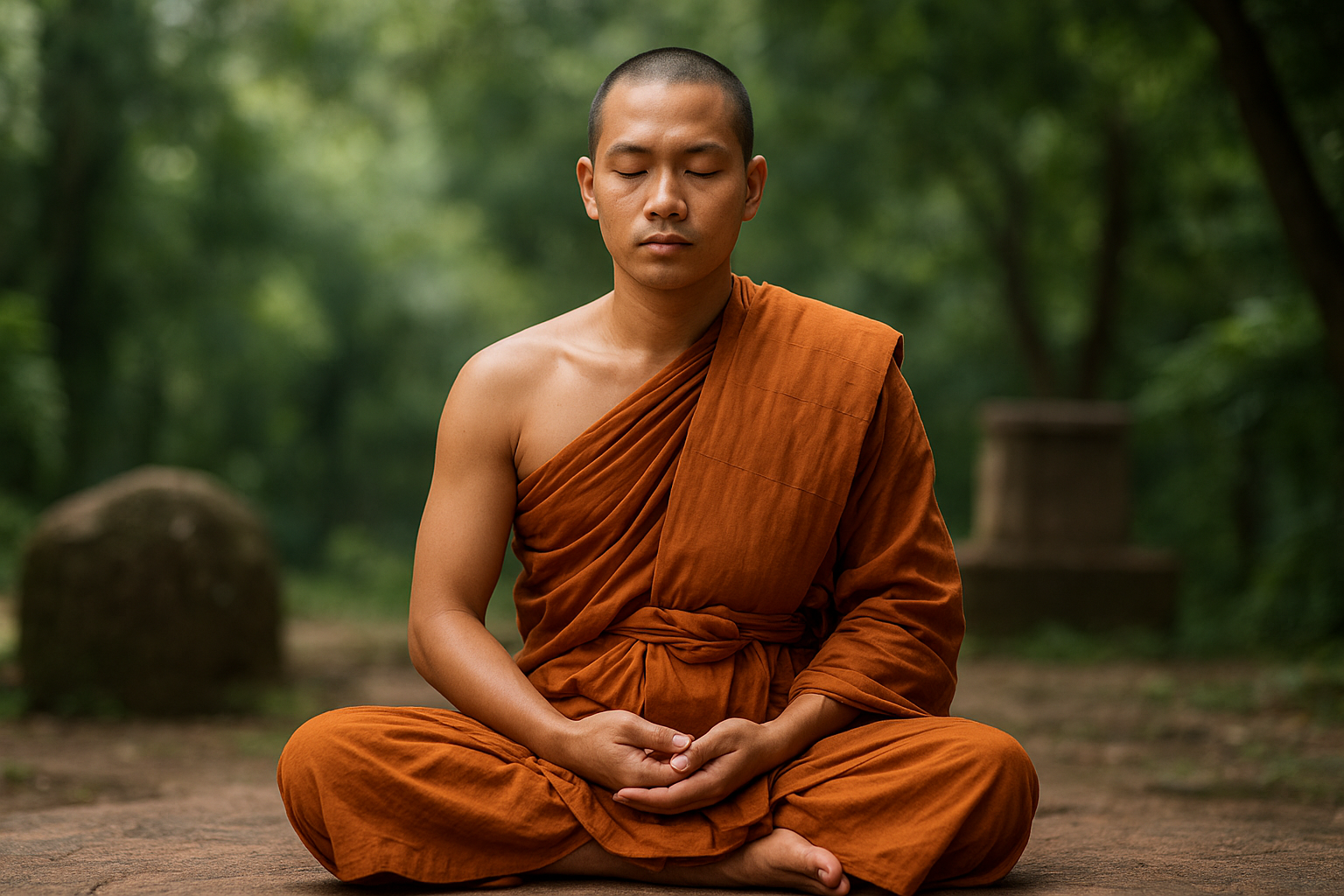
Peaceful Methods from the East: Integrating Buddhist Calm into Daily Life
In today’s fast-paced world, stress has become an omnipresent reality for many individuals. However, a sense of tranquility and calm can be achieved by drawing inspiration from Eastern philosophies, particularly Buddhism. This ancient tradition offers a range of practices and teachings that aim to cultivate inner peace and mindfulness, allowing individuals to navigate life’s challenges with serenity.
The Essence of Buddhist Calm
Buddhist calm finds its roots in the teachings of Siddhartha Gautama, also known as the Buddha. At the heart of these teachings are principles that emphasize mindfulness, compassion, and the understanding of the impermanence of life. According to the Stanford Encyclopedia of Philosophy, Buddhism encourages a mindset that is both aware and accepting of the present moment without attachment to anxieties related to the past or the future.
Practical Techniques for Daily Integration
There are several practical techniques rooted in Buddhist traditions that can be integrated into daily life to foster a sense of calm and peace:
- Mindful Breathing: One of the simplest yet most effective practices, mindful breathing involves paying close attention to the inhale and exhale of each breath. This practice can be done anywhere and helps center thoughts and emotions.
- Meditation: Regular meditation sessions, even if only for a few minutes a day, can significantly reduce stress levels. Platforms like Headspace offer guided sessions for beginners.
- Metta Meditation: Also known as loving-kindness meditation, this practice focuses on developing compassion towards oneself and others. It involves silently repeating phrases that evoke goodwill, such as “May you be happy, may you be well.”
- Walking Meditation: A form of dynamic meditation, walking meditation encourages mindfulness during daily activities and ensures that the practice of mindfulness extends beyond static meditation to every aspect of life.
Applying Compassion and Understanding
Beyond formal meditation practices, Buddhist teachings advocate for a life of compassion and understanding. In The Tibetan Book of Living and Dying, author Sogyal Rinpoche emphasizes that “real compassion is not just an emotional response but a firm commitment founded on reason.” This approach encourages us to respond to others and ourselves with kindness, reducing conflicts and fostering peace in our interactions.
“Compassion is not a relationship between the healer and the wounded. It’s a relationship between equals. Only when we know our own darkness well can we be present with the darkness of others.” – Sogyal Rinpoche
Recognizing Impermanence
One of the central tenets of Buddhism is the concept of Anicca, or impermanence. By understanding that all things are transient and constantly changing, individuals can let go of attachments and fears. This understanding helps in mitigating anxiety over events and situations that are beyond one’s control.
Renowned Buddhist teacher Thich Nhat Hanh once reflected on impermanence, saying: “Thanks to impermanence, everything is possible.” His perspective, enshrined in his numerous teachings and writings, suggests that embracing change can lead to growth and new opportunities.
Sustaining the Practice
Integrating Buddhist calm into daily life is not a one-time endeavor but a lifelong journey. It requires consistency and patience. Adopting small changes gradually—such as setting aside a dedicated time each day for meditation or incorporating mindful breathing during stressful moments—can lead to substantial improvements in overall well-being.
Moreover, community support can be invaluable. Engaging with like-minded individuals through meditation centers or online forums can inspire and provide the necessary encouragement to sustain these practices.
Conclusion
Incorporating Buddhist calm into daily life can transform the way individuals deal with stress and adversity. By practicing mindfulness, embracing impermanence, and fostering compassion, one can cultivate a deeper sense of peace and joy. As we continue to navigate the complexities of modern life, drawing from ancient wisdom offers a timeless guide to achieving inner serenity.