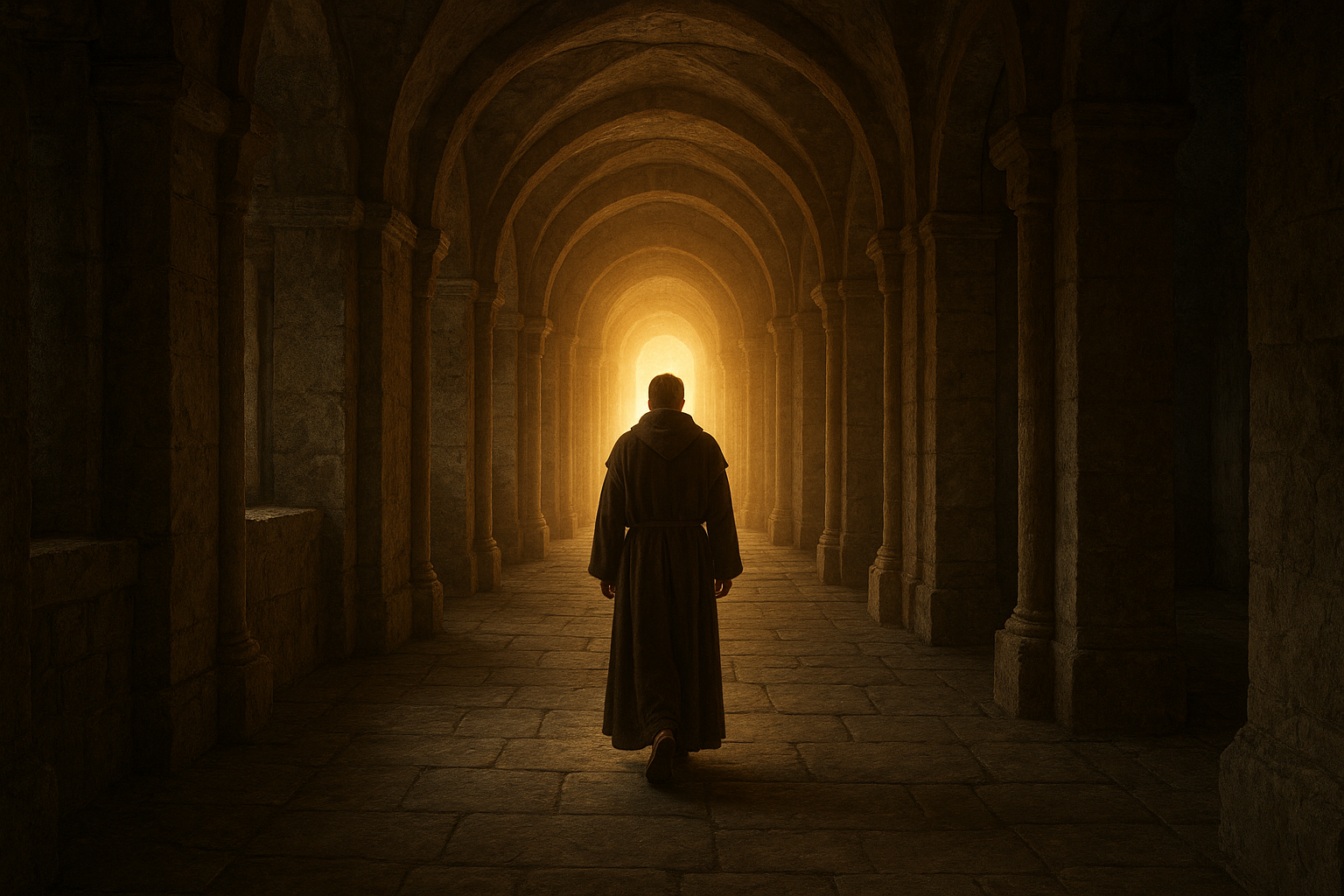
Pilgrimage to Inner Sanctums: Journeying Within for Divine Truth
The idea of a pilgrimage often conjures images of physical journeys to sacred sites, but what if the most profound expeditions occurred not in the external world, but within the inner sanctums of our own consciousness? The notion of journeying within ourselves for divine truth is gaining traction across various spiritual and philosophical landscapes, enlivening discussions on introspection, meditation, and the deeper aspects of human existence.
The Inner Pilgrimage Defined
The concept of an inner pilgrimage is beautifully articulated in the Buddhist tradition, which speaks of traveling not to a physical shrine, but to a state of self-awareness and enlightenment. As the Dalai Lama has explained, the journey within is a path to achieving understanding and empathy, key components to unlocking personal truths and universal compassion.
“We can never obtain peace in the outer world until we make peace with ourselves.”
– Dalai Lama
Exploring Inner Landscapes
The method of tuning into our internal landscapes involves a variety of practices. Meditation, which has its roots in ancient spiritual traditions, remains the cornerstone for many embarking on this intra-personal journey. As Psychology Today describes, meditation enables individuals to focus deeply inward, to quiet the mind and to cultivate profound periods of introspection (source).
- Meditative Practice: Creating a routine that includes sitting in stillness and focusing on the breath, can lead to greater self-awareness and provide insights into one’s innermost thoughts and motivations.
- Mindfulness: Integrating mindfulness into daily activities teaches us to live in the present moment, facilitating a deeper understanding of the world around and within us.
- Reflection: Taking time for regular reflection, either through journaling or contemplative thought, can reveal patterns and truths about our beliefs and behaviors.
Challenges on the Path
Despite its simplicity, the path within is fraught with challenges. The mind, as a complex landscape, can become a maze filled with past traumas and anxieties. Many who embark on this journey encounter the struggle of facing their own discomforts and insecurities. As Carl Jung, the famed psychoanalyst, noted, “Your vision will become clear only when you look into your heart. Who looks outside, dreams; who looks inside, awakes.”
“Your visions will become clear only when you can look into your own heart. Who looks outside, dreams; who looks inside, awakes.”
– Carl Jung
The Fruits of Inner Discovery
Despite the potential hurdles, the rewards of navigating our inner worlds can be transformative. Many report finding a sense of peace and fulfillment, aspects of their personality that lay dormant, and an unwavering resilience against life’s adversities. Such profound discoveries can lead to a sense of unity with all of humanity and a congruent alignment with the larger tapestry of existence.
An example of this transformation can be found in the stories shared by Mindful Magazine, which highlight various quotes and experiences from individuals across the globe who have journeyed inward. One notable practitioner notes a fuller appreciation of life, remarking, “I’ve discovered an inner oasis that I never knew existed, and it helps me navigate the world with more grace and positivity” (source).
Conclusion: A New Age of Pilgrimage
As we stand at a crossroads where ancient wisdom meets modern challenges, the pilgrimage to inner sanctums for divine truth becomes ever more pertinent. The journey within not only offers personal enlightenment but also contributes to a collective awakening. Encouraging ourselves and others around us to recognize the importance of inner work reflects an emerging consciousness that holds potential for meaningful change in our world.
In closing, the journey to divine truth is not a mere venture for the esoteric. It is a path accessible to all, an adventure into the depths of one’s own soul and essence, waiting to unfold with each step inward.