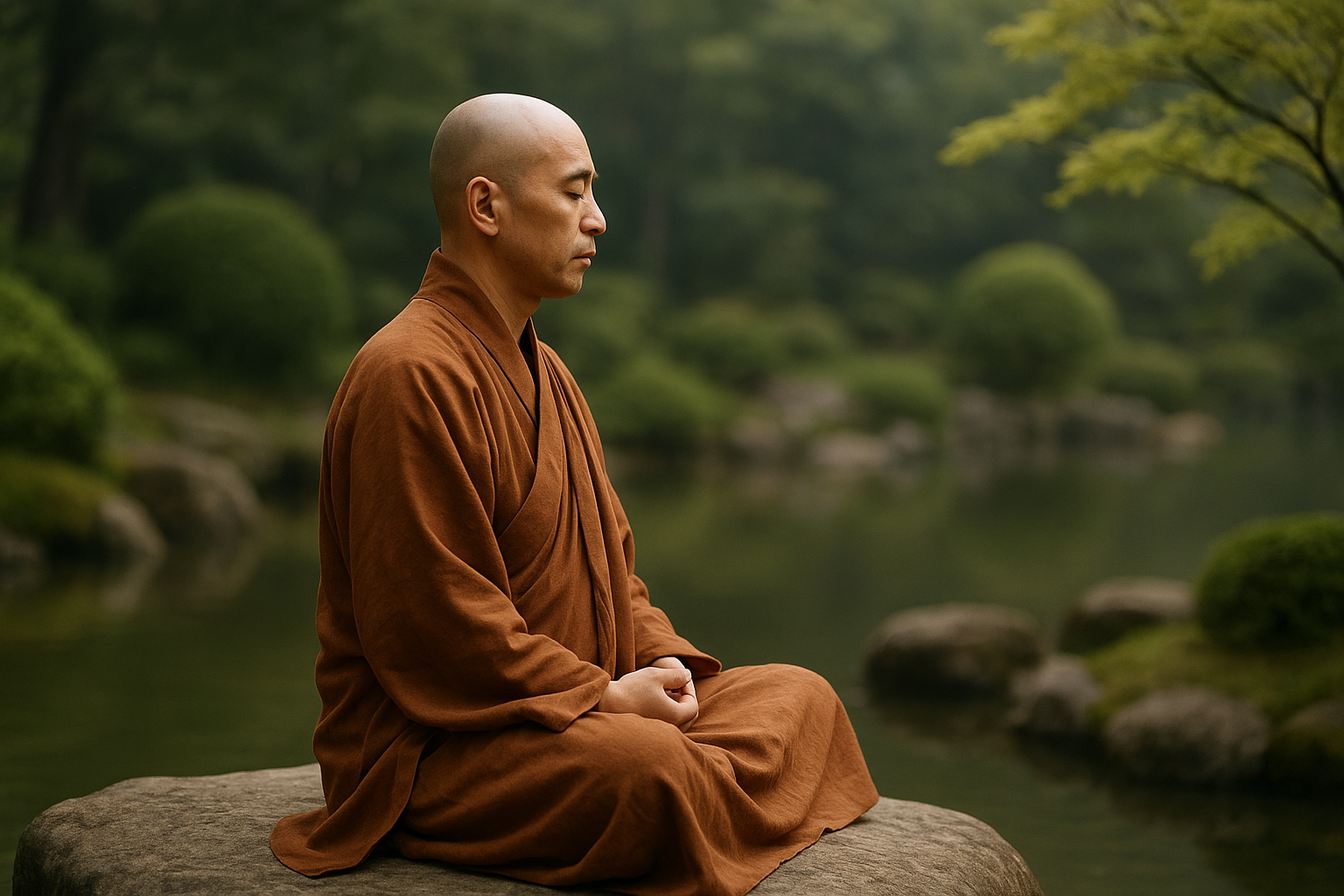
Zen Mastery in Simplicity: Less is More in Spiritual Growth
In an increasingly complex world, the search for simplicity becomes a form of rebellion. This is particularly true in the realm of spirituality, where the teachings of Zen Buddhism offer a path to declutter the mind and soul, fostering spiritual growth through austerity and clarity. As the ancient Zen adage goes, “The quieter you become, the more you can hear.”
The Essence of Zen: Embracing Simplicity
Zen Buddhism, a discipline focused on meditation, emphasizes direct experience and living in the moment. Its teachings are rooted in the idea that enlightenment is achieved by simplifying the mind. As Zen master Thich Nhat Hanh explains, “There is beauty and clarity in simplicity.” This philosophy encourages individuals to shed unnecessary thoughts and distractions, creating space for spiritual growth.
The Concept of ‘Less is More’
The idea of ‘less is more’ is not new, yet in the context of Zen, it takes on a profound meaning. Zen practice is about focusing on what truly matters, cutting away superfluous elements to reach the core essence of being. This is not just an act of physical decluttering but also mental and spiritual purification.
“Simplicity is the ultimate sophistication.” – Leonardo da Vinci
In spiritual terms, this involves removing the clutter of unnecessary wants and desires. By doing so, practitioners can achieve deeper understanding and enlightenment, recognizing the impermanence and interconnectedness of all things.
Practices for Achieving Simplicity
- Meditation: The cornerstone of Zen practice, meditation invites individuals to be present with themselves without judgment. As thoughts arise, they are acknowledged and then let go, allowing for a clearer vision of reality. For beginners, a simple practice of focusing on the breath can cultivate mindfulness and presence.
- Mindful Living: Zen encourages mindfulness in daily activities — whether it’s walking, eating, or engaging in conversation, bringing full attention to each moment. This conscious living reduces distractions and enhances appreciation for the simplicity and beauty of everyday life.
- Detachment: Zen teaches non-attachment to material possessions and outcomes. By letting go of the obsession with results and avoiding the confines of ego, one can embrace life’s natural flow more freely.
- Deep Listening: In Zen, individuals are encouraged to practice listening deeply, not just to others but also to themselves. This practice involves paying attention without judgment or interruption, opening the door to clarity and insight.
Contemporary Applications
The relevance of Zen’s simplicity is not confined to monastic life; it holds significance in modern society where stress and distractions run rampant. According to a study published in Science Daily, mindfulness meditation, a key Zen practice, has been shown to reduce symptoms of anxiety and depression.
Corporate environments are increasingly incorporating Zen principles to foster productivity and employee well-being. This includes creating simple workspaces and encouraging short meditation sessions. The Harvard Business Review points out that CEOs who practice meditation often experience enhanced creativity and improved emotional regulation.
Challenges in Pursuing Simplicity
Despite its benefits, achieving simplicity in spiritual growth is not without its challenges. In a world that glorifies multitasking and accumulation, choosing minimalism requires conscious effort and intention. It involves breaking free of societal pressures to constantly do more and have more. For many, this journey begins with introspection and self-awareness, acknowledging one’s own complexities and learning to embrace vulnerability.
Conclusion: The Path Forward
In a culture of excess, Zen mastery through simplicity offers a refreshing perspective on spiritual growth. By focusing on less, individuals can find more meaning, peace, and fulfillment. As the renowned Zen philosopher Alan Watts succinctly put it,
“Trying to define yourself is like trying to bite your own teeth. Be at ease with not knowing, and therein lies liberation.”
Embracing simplicity is a lifelong journey that invites serenity and harmony in the spiritual quest. As practitioners walk this path, they discover that the true treasure lies not in the accumulation of more, but in the richness of less.