Peace Methods via Meditation: Zen Techniques for Inner Stillness
In today’s fast-paced world, finding inner peace can often feel like an uphill battle. However, through the practice of Zen meditation techniques, achieving stillness and tranquility is within reach. Zen, a school of Mahayana Buddhism, emphasizes simplicity, direct experience, and the profound insight that can transform the way we view ourselves and the world.
The Essence of Zen Meditation
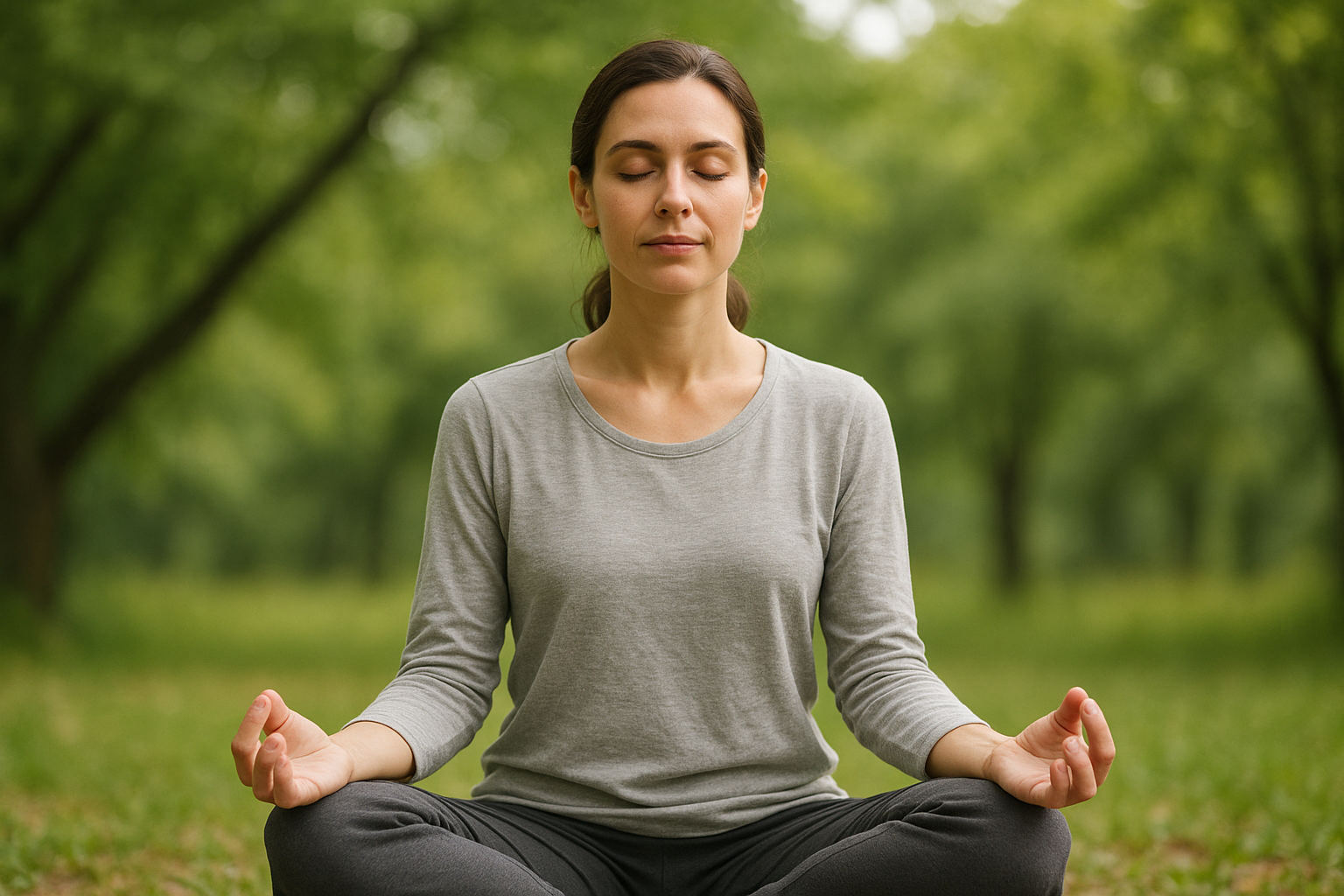
Zen meditation, often referred to as Zazen, is the heart of Zen practice. According to Tricycle: The Buddhist Review, “Zazen is a practice of ‘just sitting’ and letting go of all judgmental thinking, allowing thoughts to flow naturally in and out without interference.” Its essence lies in finding the balance between mind and body, and cultivating a heightened awareness of the present moment.
Technique 1: Mindful Breathing
Mindful breathing is a fundamental practice in Zen meditation. It involves focusing on each breath, acknowledging its presence, and using it as an anchor to bring attention back to the present whenever the mind starts to wander. A simple yet powerful way to calm the mind, it helps cultivate a deeper connection to each moment. As Thich Nhat Hanh states in his book, The Miracle of Mindfulness, “Breath is the bridge which connects life to consciousness, which unites your body to your thoughts.”
Technique 2: Walking Meditation
“Anywhere can be a place of meditation, walking as much as sitting: it matters less what you do than how you do it.” —Jon Kabat-Zinn
Walking meditation is another popular technique where mindfulness is integrated into a simple walking activity. As you walk slowly and deliberately, pay attention to the sensations of movement, the act of placing your foot on the ground, the swing of your arms, and your breathing. This practice encourages practitioners to align with the rhythm of life, reminding them that meditation is not confined to a quiet room but can permeate everyday activities.
Technique 3: Focus on Koans
A koan is a paradoxical statement or question used in Zen practice to provoke deep thought and challenge conventional thinking patterns. For example, the famous koan, “What is the sound of one hand clapping?” is designed to force the mind to step outside habitual thinking and open to new insights. Koans offer a pathway to experiential understanding, fostering a breakthrough in consciousness that can lead to profound peace and clarity.
Technique 4: Embracing Impermanence
Understanding and accepting the concept of impermanence is central to Zen Buddhism. This acceptance encourages letting go of attachments and the illusion of control over outcomes. Zen practice teaches that everything is transient, and by embracing this reality, we gain a broader perspective of life, reducing anxiety and fear. As Zen Master Shunryu Suzuki mentioned, “We do not even exist as an individual entity. So there is no need to suffer from the rules of humanity.”
Technique 5: Practicing Kinhin
Kinhin refers to the practice of upright walking done between Zazen sessions. This meditative walking involves synchronizing breaths with each step, stressing the transition between the sitting session and the engagement with the wider world. It highlights the importance of carrying the meditative focus and serenity from seated meditation into more active forms of movement and interaction.
Making Zen Meditation a Habit
Adopting these Zen meditation techniques requires dedication and practice. Start with just a few minutes a day and gradually increase the duration as you become more comfortable. Zen practice is a journey, not a destination. The more you engage with each technique, the deeper the sense of peace and improved well-being you are likely to experience.
To start incorporating these practices into your life, consider visiting a local Zen center or joining online communities that provide guided meditation sessions. Books and resources by respected Zen masters can also be invaluable in offering guidance and inspiration.
By practicing these meditation techniques, individuals can cultivate inner stillness, gain insights into their true selves, and create a foundation of peace that extends beyond meditation sessions and into all areas of life.