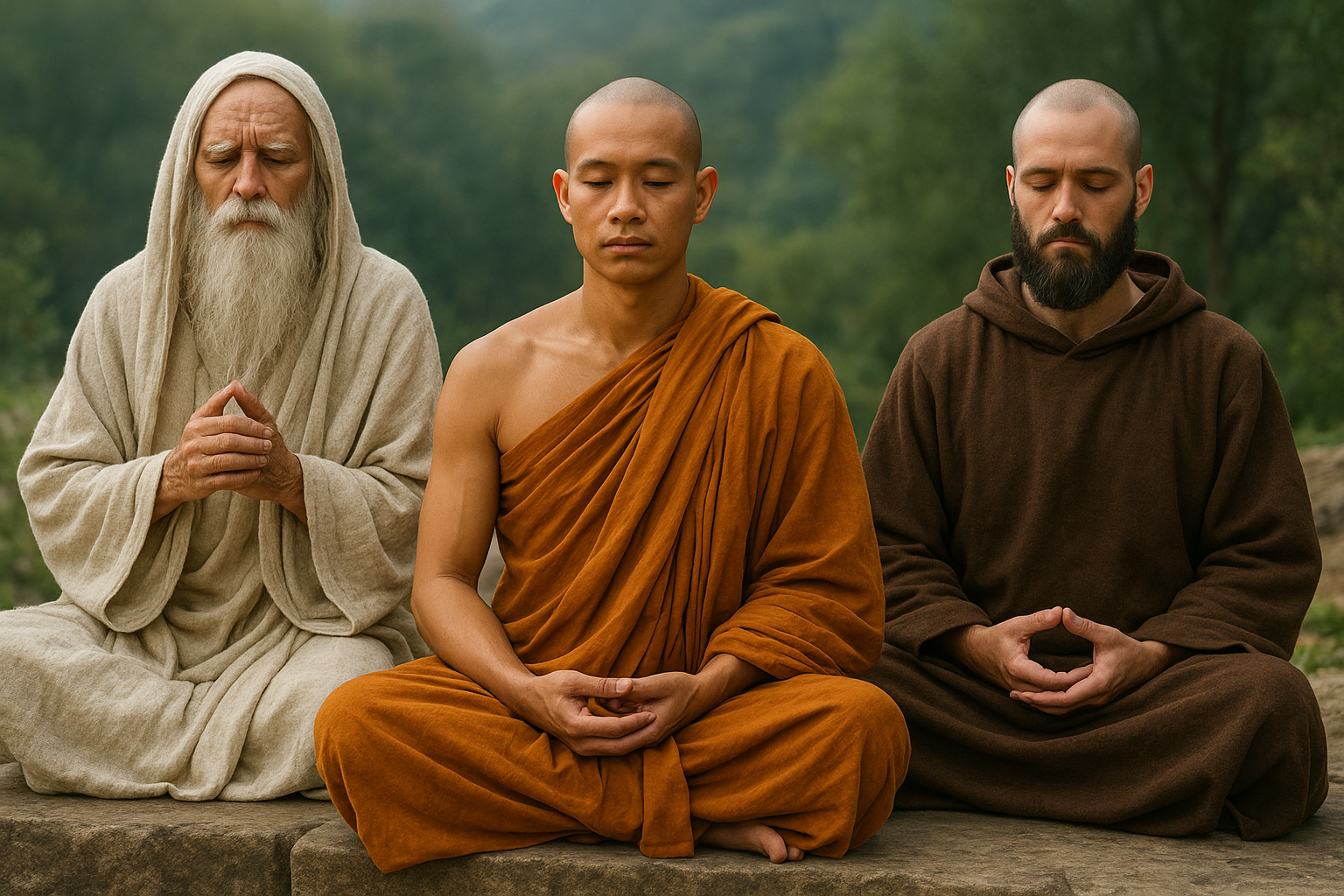
Prophets, Monks, and Inner Restraint: Shared Wisdom of Spiritual Containment
Throughout history, many of the world’s spiritual traditions have emphasized the importance of inner restraint as a path to enlightenment and fulfillment. Whether it’s through conscious self-denial, meditative practices, or ascetic lifestyles, the concept of spiritual containment can be seen from prophets to monks across various cultures.
Understanding Inner Restraint
Inner restraint refers to the ability to control one’s desires and impulses in pursuit of higher goals. This practice has been advocated by spiritual leaders and philosophers across different eras and geographies, serving as a cornerstone for personal and communal transformation.
“He who has conquered his own mind is a much greater hero than he who has vanquished a thousand enemies.” — Guru Nanak, the founder of Sikhism.
The Prophets and Spiritual Restraint
- Moses: The biblical story of Moses is replete with instances of restraint. As a leader who guided his people through the desert for 40 years, his patience and faith exemplified inner strength, enabling perseverance through hardship.
- Jesus: In the New Testament, Jesus undergoes temptation in the desert, where he fasts for 40 days and nights. This narrative highlights the essential Christian virtue of resisting external temptations to find deeper spiritual truth and strength.
- Prophet Muhammad: In Islam, the practice of fasting during Ramadan is a manifestation of self-restraint and discipline, aligning followers with the Prophet’s teachings of moderation and restraint.
Monastic Traditions and the Power of Asceticism
Monastic traditions across various religions emphasize living a life of simplicity and discipline. The monks’ journey is about taming desires to achieve spiritual depth and community harmony.
- Buddhist Monks: Central to Buddhist monastic life is the practice of meditation and renunciation of worldly attachments, as they pave the way towards enlightenment or Nirvana.
- Christian Monks: The monastic orders in Christianity, such as the Benedictines, require vows that emphasize poverty, chastity, and obedience, translating into a life of spiritual containment.
- Hindu Ascetics: Known as Sadhus, these practitioners renounce all earthly ties to seek union with the divine consciousness through rigorous spiritual practices.
Shared Lessons in Modern Context
Despite the ancient origins of these practices, the wisdom of restraint and containment remains relevant. In today’s fast-paced world, where desires are constantly stimulated, the lessons from these spiritual traditions offer guidance on the benefits of slowing down and looking inward.
A striking example is the growing popularity of mindfulness and minimalism. These practices draw parallels with monastic living, where simplicity is not about lack but about deliberate choice and focus on what truly matters.
“The ability to simplify means to eliminate the unnecessary so that the necessary may speak.” — Hans Hofmann.
The Universal Message
Ultimately, the message of spiritual containment and inner restraint that prophets, monks, and ascetics teach is universal and timeless. By fostering a culture that values inner peace over outward success, humility over arrogance, and empathy over self-centeredness, we pave the way for a society that cherishes spiritual well-being.
As we reflect on the wisdom of these ancient teachings, it is essential to integrate their essence into our daily lives. Whether through intentional days of silence, conscious fasting, or simply taking time for meditation, these practices can help us cultivate a profound sense of connection to ourselves and the world around us.