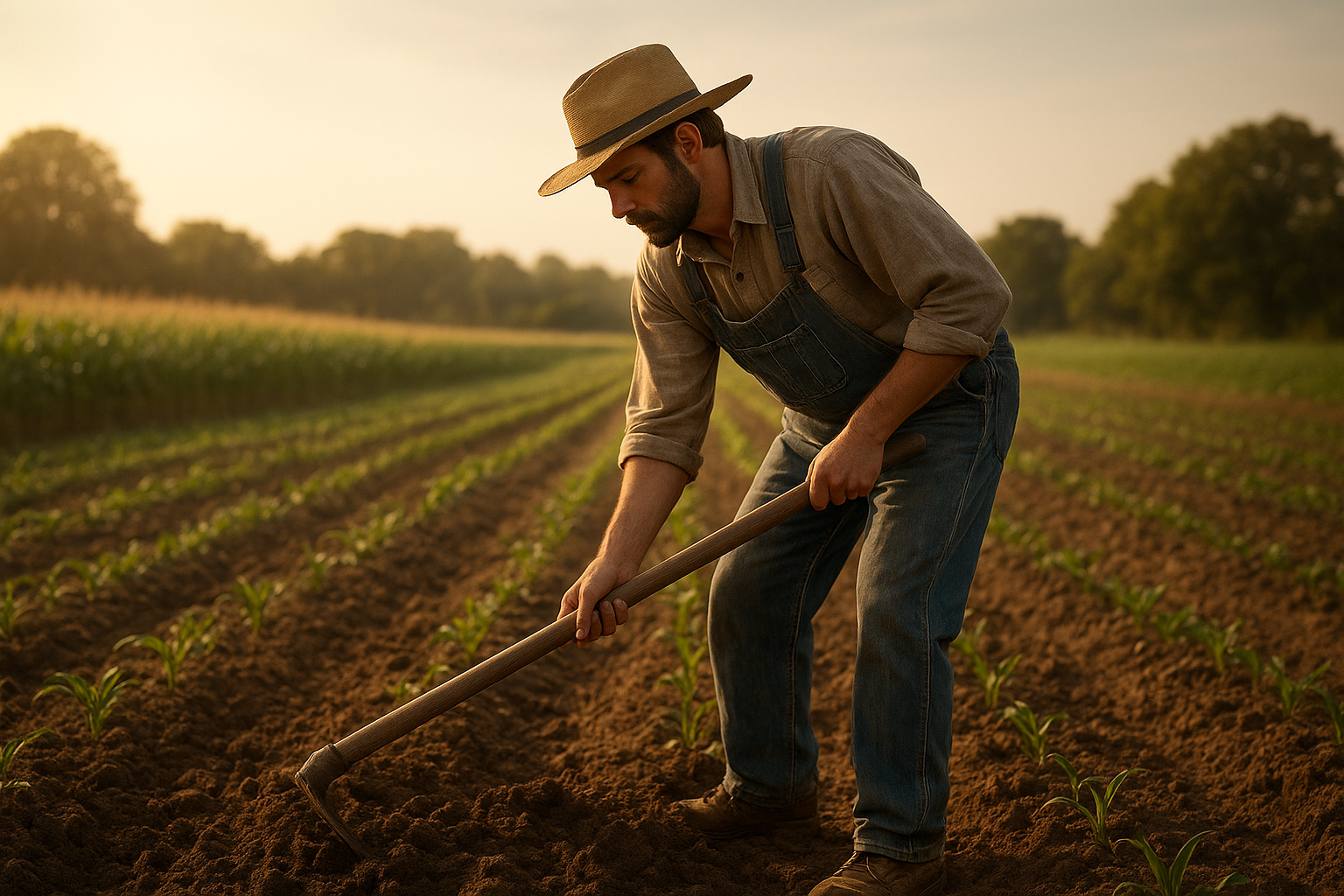
Cultivating the Field Before the Harvest: Preparation as Sacred Work
Throughout history, the cyclical nature of planting and harvesting has remained a central metaphor for life’s phases, growth, and renewal. This process underscores the vital role of preparation, which serves as the foundation for every successful endeavor. To truly understand the sanctity of preparation, we must delve into its historical, cultural, and spiritual significance.
The Historical Context of Cultivation
Every culture has its roots deeply embedded in agricultural practices. From the verdant rice paddies of Asia to the expansive wheat fields of the Americas, the preparation before the planting season has always been a solemn and essential ritual.
“In traditional agricultural societies, preparation of the fields was not only a practical activity but also a spiritual one. The earth was seen as a living entity, requiring respect and dedication.” — National Geographic
Rituals in Agriculture
Many ancient societies performed intricate rituals during the period of preparation. The First Nations peoples of North America, for example, often engaged in prayer and song to honor the earth. These practices were not merely symbolic; they established a deeper connection with the natural world, ensuring that the community’s efforts were aligned with the rhythms of nature.
- In ancient Egypt, farmers leaned heavily on their understanding of the Nile’s flooding to enrich the soil. The inundation was seen as a divine gift, and preparations were aligned to this natural cycle.
- The Aztecs of Mesoamerica considered the preparation of the fields a sacred duty, performed with due respect to gods like Tlaloc, the rain god, who blessed their efforts with nourishing rains.
The Sacredness of Preparation in Modern Times
Even in contemporary society, where technology and machinery dominate agricultural practices, the essence of preparation remains vital. Farmers dedicate countless hours to soil analysis, seed selection, and the implementation of sustainable practices. This meticulous preparation, while often guided by scientific principles, retains an element of reverence for the natural process.
Spiritual Significance
The act of preparation extends beyond agriculture, permeating various aspects of life where patience, foresight, and commitment are required. The philosopher Søren Kierkegaard once said:
“Life can only be understood backwards; but it must be lived forwards.”
This suggests that while the future is unknown, preparing with intention and care creates a deeper understanding and appreciation of life’s journey.
In Business and Personal Life
Professional success, too, is often attributed to the groundwork laid long before any achievements are visible. The process is akin to sowing seeds in fertile ground, requiring attention, adaptation, and vision.
- The renowned author Stephen Covey emphasized the idea of beginning with the end in mind. By envisioning a desired outcome, individuals can establish a clear path to success, mirroring the careful planning seen in agricultural practices.
- In personal growth, preparation involves self-reflection, learning, and development that equips individuals with the tools required to face future challenges.
Practical Applications of Sacred Preparation
Practical application of sacred preparation can transform mundane activities into meaningful ones. Here are some ways to implement sacred preparation in your life:
Mindful Planning
Incorporate mindfulness into your daily routines. Whether it’s preparing a meal, planning a project, or setting personal goals, approach each task with full attention and purpose.
- Set clear intentions and articulate specific goals.
- Break down large tasks into manageable steps, taking time to plan each one thoughtfully.
Embracing Ritual
Create personal rituals that symbolize beginnings. This might be as simple as lighting a candle during meditation or journaling at the start of a new project.
Community Building
Preparation can also be a communal effort, fostering deeper connections and shared purpose. Engaging others in your preparation process can broaden insights and enhance collective strength.
Conclusion: Embracing the Sacred Work of Preparation
The art of cultivation—whether in fields, personal development, or professional arenas—is about preparing the ground for growth. The sacred work of preparation reminds us of the interconnected nature of effort, patience, and trust. It asks us not only to anticipate the harvest but also to honor the journey toward it.
Through thoughtful preparation, we lay the groundwork for a bountiful harvest, not just in crops but in all aspects of our lives. As the harvest approaches, may we cherish the labors of love and dedication that went into our fields, realizing that true abundance is born from the sacred work of preparation.