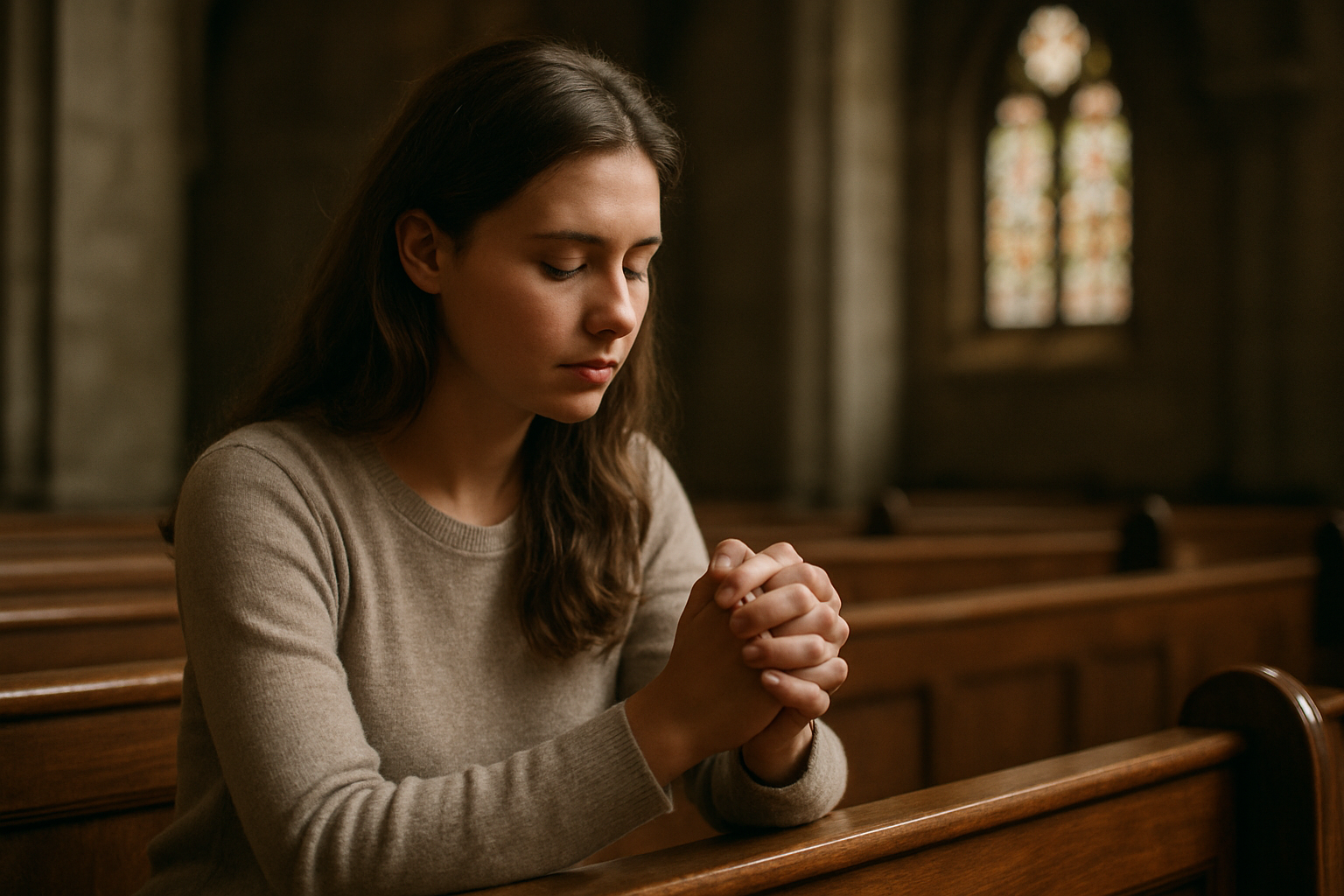
The Art of Waiting Before God: Patience as Cultivation
In the bustling contemporary world, the notion of waiting has largely been overlooked. We yearn for instant gratification in all aspects of life, from technology to relationships. However, the ancient art of waiting, especially in a spiritual context, embodies a rich tradition that fosters patience, enhances personal growth, and deepens one’s faith. This essay delves into the concept of waiting before God, discussing how patience is not merely a passive state but an active cultivation of virtue.
The Spiritual Significance of Waiting
Waiting before God is a timeless spiritual exercise prevalent throughout religious texts and traditions. It is an act of surrender, trust, and anticipation. In the Book of Psalms, David poignantly writes, “Wait for the Lord; be strong, and let your heart take courage; wait for the Lord!” (Psalm 27:14, ESV). Such passages emphasize waiting as a gateway to strengthen one’s resolve and faith in the divine timing.
“God keeps no one waiting unless He sees that it is good for him to wait.” –C.S. Lewis
Waiting as Active Participation
Contrary to modern perceptions, waiting is not synonymous with inaction. Spiritual waiting involves active participation in one’s faith journey. It is about engaging in prayer, meditation, and reflection while recognizing the unfolding of God’s plan. According to Christianity Today, the process of waiting can often lead to profound personal transformation, encouraging believers to develop a deeper connection with God and a greater understanding of their purpose.
The Virtues Nurtured by Waiting
- Trust: By waiting, individuals learn to relinquish control and place trust in divine wisdom. This act cultivates a spirit of reliance on God’s will.
- Perseverance: Waiting often involves enduring periods of uncertainty. Developing resilience during these times is key to personal growth.
- Self-Discipline: Patience in waiting fosters self-control and an ability to manage one’s emotions and desires according to higher principles.
- Gratitude: Reflecting on the waiting period allows individuals to appreciate the blessings that come in God’s timing, fostering a deeper sense of gratitude.
Examples of Waiting in Religious Texts
The Bible is replete with stories that illustrate the virtues of waiting. The most notable example is the story of Abraham and Sarah, who waited many years for the fulfillment of God’s promise of a child. Their story, narrated in the Book of Genesis, serves as a testament to faith and divine timing despite human impatience and doubt.
Another profound instance is the story of Joseph, who endured numerous trials and tribulations before fulfilling his destiny. Joseph’s unwavering patience and faith during his time in prison laid the groundwork for his eventual rise to power in Egypt.
Practical Ways to Cultivate Patience While Waiting
- Meditative Practices: Engaging in regular meditation or reflective practices can help individuals focus on the present moment, reducing anxiety about the unknown future.
- Spiritual Journaling: Documenting one’s spiritual journey and reflections can provide clarity and insight into personal growth during waiting periods.
- Community Engagement: Sharing experiences and support with a faith community can offer encouragement and perspective while waiting.
- Mindful Prayer: Integrating mindfulness into prayer can create a more profound and peaceful sense of spiritual connection and patience.
The Modern Challenge of Patience
In today’s fast-paced world, the ability to wait patiently is continuously challenged by the demands for instant results. However, embracing a lifestyle that incorporates patience as a spiritual discipline can lead to more meaningful and fulfilling experiences both spiritually and emotionally. As Henri Nouwen expresses, “Waiting is a period of learning. The longer we wait, the more we hear about him for whom we are waiting.”
“Patience is not simply the ability to wait – it’s how we behave while we’re waiting.” –Joyce Meyer
Conclusion
The art of waiting before God is a deeply profound practice with transformative potential. By embracing waiting as a cultivation of patience, individuals can grow closer to the divine, nurturing virtues that enrich every aspect of life. Through stories, meditative practices, and the virtues nurtured during periods of waiting, believers can navigate the tension between worldly impatience and spiritual fulfillment.
Ultimately, understanding and practicing the art of waiting can lead to a richer, more rewarding spiritual experience that aligns with God’s perfect timing.