Author: divinegong

  • The Sacred Ordinary — Everyday Enlightenment

    The Sacred Ordinary — Everyday Enlightenment

    The Sacred Ordinary: Everyday Enlightenment

    In a world that often demands extraordinary feats and grand achievements, it can be easy to overlook the subtle, everyday moments that offer profound insights into our existence. The Sacred Ordinary is a philosophy that embraces the teachings and beauty found in regular life, promoting a form of enlightenment accessible to everyone.

    “The true miracle is not walking on water or walking in air, but simply walking on this earth.” — Thich Nhat Hanh. This quote by the renowned Zen master encapsulates the essence of finding spirituality in everyday experiences. It is in the routine activities and simple joys of life that we can discover deep meaning and connection.

    Practices for Embracing the Sacred Ordinary

    • Mindful Presence: Whether it is savoring a morning cup of coffee or taking a quiet walk, being fully present in the moment allows us to experience life more fully.
    • Gratitude Journaling: Writing down a few things each day that bring you joy or contentment can shift your perspective toward appreciation of the ordinary.
    • Connection with Nature: Spending time in nature can offer profound insights and a sense of peace, reminding us of the interconnectedness of all life.

    Everyday Enlightenment Through Literature and Philosophy

    Literature and philosophical teachings have long celebrated the beauty and wisdom found in daily life. One such example is Walden by Henry David Thoreau, where the author chronicles his experiment in simple living. Thoreau writes:

    “I went to the woods because I wished to live deliberately, to front only the essential facts of life, and see if I could not learn what it had to teach.”

    His retreat into nature serves as a reminder of the value of stripping away the superfluous to appreciate the essential.

    Philosophers like Simone Weil have also explored the sacredness of the everyday. Weil’s concept of “attention” and the importance of immersing oneself thoroughly in the task at hand, no matter how mundane, frames ordinary activities as opportunities for spiritual practice.

    The Impact of Slowing Down

    In our fast-paced society, taking the time to embrace the sacred ordinary can have profound effects on our mental and emotional wellbeing. It encourages us to slow down, appreciate fleeting moments, and cultivate a deeper sense of happiness and fulfillment.

    Ultimately, enlightenment doesn’t always come from studying ancient texts or attending spiritual retreats. Instead, it often emerges from an acute awareness of our daily surroundings and an appreciation of life’s simple pleasures.

    For those interested in exploring this path further, authors like Thich Nhat Hanh and Henry David Thoreau offer a wealth of insights on how embracing the ordinary can lead to a deeper understanding of both the self and the world around us.

  • Returning to Breath — Anchoring Amidst Distraction

    Returning to Breath — Anchoring Amidst Distraction

    In the modern world, distractions are rampant. From the persistent buzz of smartphones to the ever-present lure of social media, our attention is constantly being pulled in multiple directions. As the pace of life quickens, many individuals seek solace in the age-old practice of mindful breathing, an anchor amidst the storm of distractions.

    The Power of Breath

    While breathing is an automatic bodily function, mindful breathing involves paying attention to each inhale and exhale, using the breath as a tool to foster calm and focus. This practice is rooted in ancient traditions but is gaining modern relevance. According to a study published in the journal Neuroscience & Biobehavioral Reviews, “mindfulness practices, including mindful breathing, are effective in enhancing attention and emotional regulation.”

    The Mechanics of Mindful Breathing

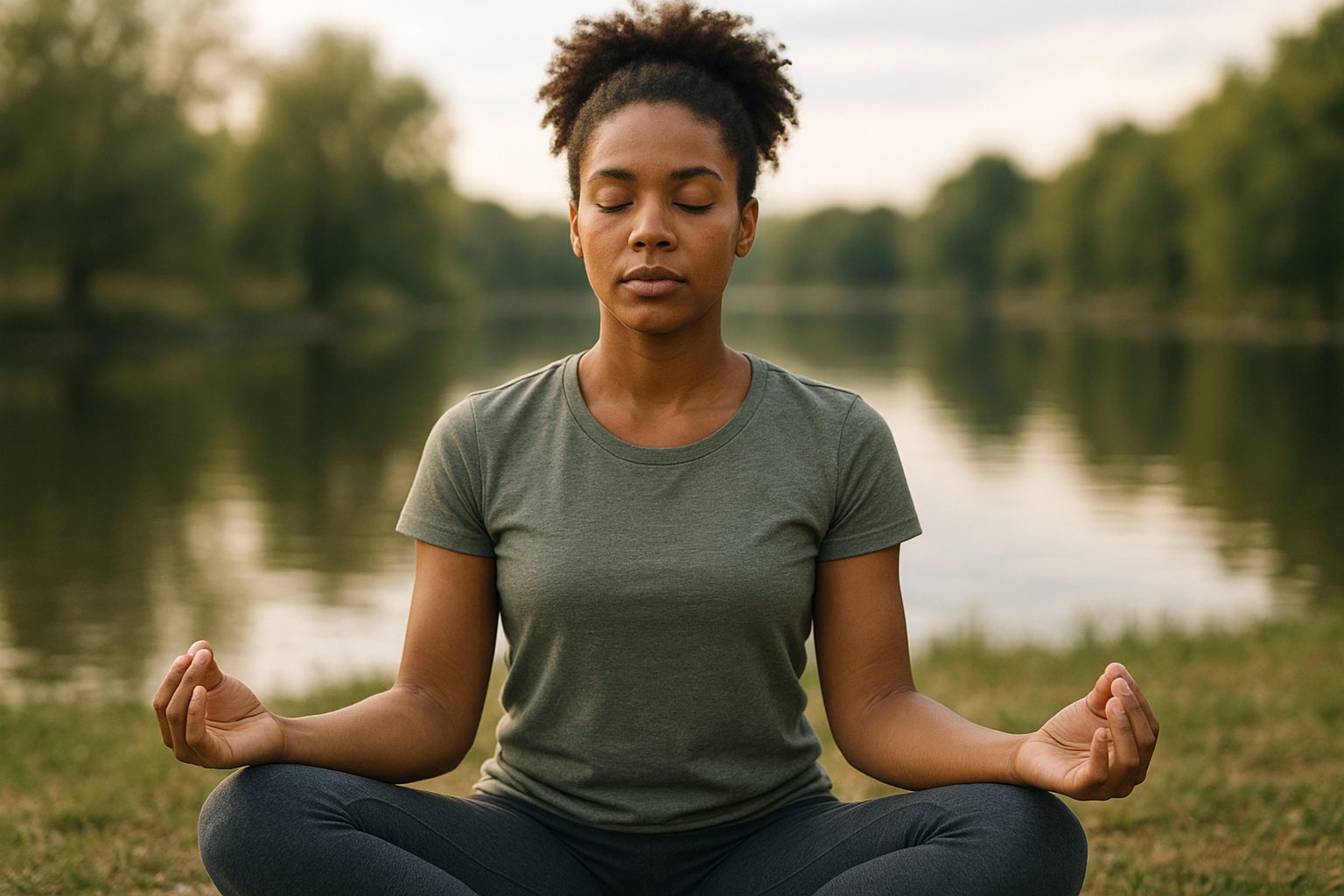
    Mindful breathing is deceptively simple. Here’s how you can practice it:

    • Find a Quiet Place: Select a quiet spot where you will not be disturbed.
    • Adopt a Comfortable Position: Sit or lie down comfortably, ensuring your spine is straight, allowing for steady breathing.
    • Focus on Your Breath: Close your eyes and begin by taking deep breaths, counting to four on each inhale and exhale.
    • Maintain Awareness: If your mind wanders, gently bring your focus back to the act of breathing.

    “Breathing in, I calm body and mind. Breathing out, I smile. Dwelling in the present moment, I know this is the only moment.” – Thich Nhat Hanh

    Benefits of Mindful Breathing

    Engaging in regular mindful breathing exercises helps reduce stress and anxiety levels, promoting a sense of peace and clarity. Furthermore, as reported by the American Psychological Association, such practices can enhance concentration, improve emotional well-being, and even boost cognitive functioning.

    Anchoring the Mind

    By returning to the breath, individuals can regain control of their mental state, pulling away from the whirlwind of distractions and fostering a place of stillness. As the breath anchors you in the present, you cultivate a deeper connection to yourself and the world around you.

    In a society where distractions are ever-present, returning to breath becomes an invaluable practice. By consciously focusing on each inhale and exhale, individuals can find calm amidst chaos, making mindful breathing a valuable anchor amidst the sea of distractions.

  • Digital Dharma — Mindfulness in the Age of Machines

    Digital Dharma — Mindfulness in the Age of Machines

    The rapid advancement of digital technologies has transformed the way we live, work, and interact with the world around us. As we are thrust into the Age of Machines, an era characterized by artificial intelligence, machine learning, and ubiquitous connectivity, a pressing question arises: How can we maintain our mindfulness amid this relentless technological progress? The concept of “Digital Dharma” emerges as a beacon for finding inner peace and awareness in an ever-connected universe.

    The Intersection of Technology and Mindfulness

    Mindfulness, the practice of maintaining awareness of our thoughts, emotions, and environment in the present moment, finds its roots in ancient Eastern traditions. However, its relevance and applicability in the digital age offer new dimensions for exploration and understanding.

    “Mindfulness arises when you allow your attention to drop into the body and feel the aliveness inside it,” writes Eckhart Tolle in his seminal work, The Power of Now. His insight provides a critical stepping stone for incorporating mindfulness in our technology-infused lives.

    • Notifications: Our devices are designed to capture and hold our attention with constant notifications. Transform these into mindful reminders; each notification serves as an opportunity to pause, breathe, and connect with the present.
    • Social Media: Platforms designed to engage can also distract. Practice mindful browsing by setting intentions before logging in and being aware of your emotional responses while navigating feeds.
    • Information Overload: With data at our fingertips, practice information moderation. Engage with content that nourishes and supports your mental well-being.

    Embracing Technology as a Tool for Mindfulness

    While the digital world may appear to be an adversary to mindfulness, it is also fertile ground for cultivating awareness and presence. Adopting a balanced approach can turn technological tools into allies on one’s journey to digital dharma.

    Jon Kabat-Zinn, known for his work on mindfulness-based stress reduction, emphasizes, “You can’t stop the waves, but you can learn to surf.” In the digital atmosphere, this means approaching technology mindfully to enhance personal well-being.

    • Mindfulness Apps: Tools like Headspace and Calm offer guided meditations and techniques to anchor individuals within the present moment.
    • Virtual Reality: VR technology can simulate serene environments that facilitate mindfulness retreats, offering escapism from busy cityscapes.
    • Wearable Technology: Devices like the Apple Watch provide breathwork reminders and biofeedback to maintain awareness throughout the day.

    The Philosophical Underpinnings of Digital Dharma

    Drawing from Buddhism and contemporary philosophical discourse, digital dharma resonates with the concept of being truly present and achieving equilibrium between fast-paced modernity and the tranquility of the mind.

    • Interconnectedness: Technology underscores our interconnected world, offering platforms for shared experiences that foster empathy and understanding.
    • Impermanence: The transient nature of digital communications echoes the Buddhist principle of impermanence, reminding us to embrace each moment without clinging.
    • Intention: Aligning tech usage with conscious intentions transforms potentially distracting tools into mechanisms for self-growth.

    Embracing digital dharma ultimately fosters a symbiotic relationship between human consciousness and digital advancement. As Thich Nhat Hanh penned, “In true dialogue, both sides are willing to change.” By engaging in this dialogue, we invite change that supports harmony in personal and collective digital experiences.

    Challenges and Opportunities

    The journey toward digital dharma isn’t devoid of hurdles. Overcoming these challenges necessitates self-awareness and intentional action:

    • Screen Dependency: As technical reliance grows, the allure of constant connectivity can lead to addiction. Setting boundaries on screen time remains critical.
    • Data Privacy: Mindfulness includes awareness of our digital shadows. Be cognizant of privacy issues and take proactive steps to safeguard personal information.
    • True Presence: Develop the ability to disconnect intentionally and recognize moments that benefit from undistracted human interaction.

    Amid challenges lie immense opportunities. Technologies oriented toward enhancing well-being point toward a future where digital tools serve not as distractions, but as enhancements, enriching the human spirit.

    The Future of Mindfulness in the Digital Age

    The trajectory of digital dharma points toward a future where technology augments emotional intelligence, personal growth, and collective awareness. Nurturing this path demands intentionality and adaptability. Ultimately, the relationship between mindfulness and technology should strive for balance, leading us toward a more harmonious existence.

    As Alan Watts succinctly stated, “The art of living is neither careless drifting on the one hand nor fearful clinging to the past on the other.” Navigating digital dharma requires both artful balance and conscious choice, empowering individuals to thrive as mindful beings in an age dominated by machines.

  • Chop Wood, Carry Water — The Wisdom of Simplicity

    Chop Wood, Carry Water — The Wisdom of Simplicity

    Introduction

    In a world where complexity often masquerades as sophistication, embracing simplicity can be the key to peace, contentment, and wisdom. The age-old adage, “Chop wood, carry water,” encapsulates this philosophical stance that is deeply rooted in Zen Buddhism but resonates far beyond its origins.

    The Origins of “Chop Wood, Carry Water”

    The phrase “Chop wood, carry water” is steeped in Zen Buddhist tradition. It is often attributed to the teachings of Zen Masters, who emphasize mindfulness and presence in everyday tasks. This phrase underscores the notion that enlightenment isn’t just a state of mind attained through transcendent experiences but rather through the practice of being fully engaged in mundane activities. By focusing on the present moment, one can find enlightenment in the most routine actions.

    “Before enlightenment, chop wood, carry water. After enlightenment, chop wood, carry water.” — Zen Proverb

    The Philosophical Foundation of Simplicity

    At the heart of this saying is mindfulness. It encourages an awareness that is fully present without distraction. Zen teachings advocate for a life that is appreciated for its simplest elements, rather than one that seeks fulfillment in complicated endeavors.

    This principle can also be aligned with the teachings of other philosophies and religions. In Stoicism, a similar sentiment is echoed through the emphasis on focusing on what is within our control and disregarding external complexities. In Christianity, Jesus’s teaching in the Sermon on the Mount encourages followers not to be anxious and to trust in the provision of “our daily bread,” highlighting the value of simplicity and trust.

    Embracing Simplicity in Modern Life

    Despite our ever-digitizing world, where life is complicated by a constant barrage of information, returning to simplicity places our focus back on the essentials. Here are a few ways in which the wisdom of “chop wood, carry water” can be applied:

    • Mindful Living: Engaging fully with everyday tasks, such as preparing meals or tidying up your living space, can transform routine activities into opportunities for mindfulness.
    • Intentional Consumption: In the age of consumerism, simplicity invites us to consider what we truly need versus what distracts or detracts from our lives.
    • Focus on the Present: Instead of obsessing over past regrets or future anxieties, focus on what can be done in the now, fostering a peaceful mindset.

    A deliberate move towards simplicity helps combat the stressors of modern life and allows us to find joy and satisfaction in the ordinary.

    Zen Stories and Their Modern Implications

    Zen stories have long served as a means to convey profound truths through simple narratives. Consider the story of the monk who, upon being asked what he did to reach enlightenment, simply replied, “I chop wood and carry water.” This story illustrates that wisdom often lies in accepting things as they are while being fully engaged in the moment.

    In contemporary terms, this can mean stepping back from complexity and information overload. A life focused on the basics is one where individuals are more resilient, content, and aligned with their values.

    The Counterintuitive Nature of Simplicity

    One might assume that indulging in the complexities of life might lead to greater satisfaction. However, studies indicate that simplicity often leads to increased happiness and better mental health. According to a study published in the Journal of Environmental Psychology, a correlation exists between owning fewer belongings and experiencing a greater sense of well-being.

    This sentiment mirrors a common notion in minimalism: the understanding that sometimes “less is more.” By intentionally simplifying and focusing on what truly matters, individuals can create a life that is not only more fulfilling but also more sustainable.

    Practical Steps Towards Simplicity

    For those seeking to embrace the wisdom of simplicity, several practical steps can help incorporate this philosophy into daily life:

    • Declutter Your Space: Start small by clearing out clutter from your environment, which can lead to significant mental clarity.
    • Limit Inputs: Reduce the amount of news consumption and social media interaction. Filtering out unnecessary information allows you to focus on more meaningful experiences.
    • Prioritize Relationships: Put energy into nurturing a few key relationships rather than trying to be overly social.
    • Simplify Your Schedule: Leave space in your schedule to avoid feeling overwhelmed and help maintain balance.

    Through these steps, the implementation of simplicity offers a refreshed view of what is truly meaningful in life.

    Conclusion

    The wisdom of “chop wood, carry water” transcends the boundaries of time and culture. It invites individuals from all walks of life to find serenity and satisfaction in the simple, often overlooked actions that make up our existence. Embracing this timeless adage can pave the way for a life characterized by peace, purpose, and harmony.

    Reflecting on this proverb encourages us to seek value in simplicity, proving that a hackneyed phrase holds the powerful potential to transform how we view and engage with the world.

  • The Art of Bowing — Gratitude in Gesture

    Throughout history, gestures of respect and gratitude have played an integral role in human interaction, transcending cultural boundaries and linguistic barriers. Among these gestures, bowing stands out as an ancient and ubiquitous expression of deference and gratitude. From the courts of ancient monarchies to the martial arts dojos of today, bowing continues to hold significance in various cultural and spiritual contexts.

    Historical Origins of Bowing

    Bowing as a gesture of respect has roots that extend deep into ancient history. It is believed to have originated from acts of prostration, where individuals would lay face down before deities or rulers as a sign of submission and reverence. This practice can be traced back to early civilizations such as Mesopotamia and Ancient Egypt, where supplication and obeisance were forms of communication with the divine.

    “Bowing is not to be seen as a gesture of inferiority, but as a time-honored practice demonstrating the highest form of respect.”

    Dr. Maryem Sanary, cultural historian

    Cultural Significance of Bowing

    While the specific form and meaning of bowing may vary across cultures, its essential purpose as an expression of respect and humility remains consistent.

    • Asia

      In many Asian cultures, bowing is a deeply embedded social custom. In Japan, for example, the ojigi (お辞儀) is a sophisticated art with different types of bows signifying various levels of respect and gratitude. Similarly, in China and Korea, bowing is used in both daily greetings and ceremonial functions, reflecting social hierarchies and relationships.

    • Europe

      Bowing in Europe has historical ties to medieval court ceremonies and chivalry. Knights and nobles would perform elaborate bows as part of courtly manners. Even today, bowing remains present in formal settings such as royal ceremonies and theatrical performances.

    • Africa

      Certain African cultures have unique versions of bowing that signify a similar gesture of respect. For instance, among the Maasai people, a slight bow of the head while placing one hand on the chest is a gesture of politeness and gratitude.

    • Middle East

      In many Middle Eastern cultures, a nod or a shallow bow when greeting elders or superiors is customary, often accompanied by placing one’s hand over the heart to signify sincerity and respect.

    Bowing in Religious and Spiritual Contexts

    Bowing holds profound significance in various religious rituals and spiritual practices.

    • Buddhism

      In Buddhism, bowing is not only a sign of respect but also a spiritual practice. Practitioners bow to express gratitude towards the Buddha, the Dharma (teachings), and the Sangha (community). This act of bowing is a physical expression of the Buddhist emphasis on humility and interconnectedness with all beings.

    • Hinduism

      In Hindu rituals, bowing down and touching the feet of elders or spiritual teachers, known as Paada Namaskar, signifies respect and acknowledgment of the wisdom and blessings of the recipient.

    • Islam

      In Islam, the practice of bowing, or Ruku, is part of the Salat (prayers), symbolizing submission to Allah. This act of bowing serves as a reminder of humanity’s humility before the divine.

    The Role of Bowing in Modern Society

    Even in contemporary times, bowing retains its relevance and versatility as a gesture of gratitude and respect.

    • Martial Arts

      In martial arts, particularly those originating from Asia like Karate and Judo, bowing is an essential ritual that communicates respect towards instructors, opponents, and the martial art itself. Bowing in this context signifies a profound appreciation for the discipline and its teachings.

    • Performing Arts

      In the realm of performing arts, bowing is a time-honored tradition. Performers bow at the conclusion of their performances to express gratitude towards the audience and acknowledge the reciprocal exchange between performers and spectators.

    • Corporate and Diplomatic Etiquette

      In international business and diplomatic interactions, understanding and properly executing a bow can foster mutual respect and smooth communication across cultural divides. Familiarizing oneself with bowing customs is often recommended for individuals working abroad or with international clients.

    Evolution and Future of Bowing

    Bowing, like all cultural practices, evolves over time. The emphasis on diversity and global connectivity prompts societies to adapt and adopt different forms of bowing. This evolution can be observed in fusion weddings or multicultural festivals where traditional and contemporary gestures are blended to resonate with a broader audience.

    “Bowing not only transcends language but also bridges gaps in understanding, offering a universal expression of gratitude and respect.”

    Professor Rachel Thompson, anthropologist and cultural studies expert

    Conclusion

    The art of bowing is a timeless expression of gratitude and respect that continues to hold a powerful place in human interactions. Whether performed as a ritual in religious contexts, a social nicety, or a symbolic gesture, bowing encapsulates a universal language that lays the foundation for understanding and appreciation across diverse cultures and societies. As global currents of culture continue to intersect, the rich tradition of bowing reminds us of our shared humanity and the enduring importance of gratitude expressed through gesture.

  • Stillness on the Train — Portable Spiritual Practice

    Stillness on the Train — Portable Spiritual Practice

    In today’s fast-paced world, finding a moment of stillness may seem like a luxury. From bustling city streets to the constant hum of technology, moments of peace can be hard to come by. Yet, for many, the solution lies in the unlikeliest of places—amid the rhythmic clatter of a train journey.

    Finding Serenity Amidst Movement

    Every day, millions commute by train, a space that has its own peculiar rhythm and energy. Despite the noise and movement, the train offers a unique opportunity for introspection and meditation. As Pema Chödrön, a renowned Buddhist teacher, aptly puts it,

    “The most precious opportunity presents itself when you are sitting on your meditation seat or walking,” which can easily translate to the motion of a train. The train thus becomes an unexpected sanctuary for the spirit.

    Embracing the Present Moment

    The practice of mindfulness is about being present in the moment and accepting it without judgment. Trains, with their monotonous cadence, naturally facilitate this practice. The predictable sound of the wheels on the tracks and the landscape passing by invites a meditative state—an ideal setting for those looking to cultivate mindfulness.

    • Focus on Your Breath: The consistent background noise can be aligned with your breath, and feeling your breath as it comes and goes can help center your thoughts.
    • Notice Your Surroundings: Pay attention to the details around you—the color of the seats, the rhythm of the train, the expressions of your fellow travelers. This practice, known as “mindfulness meditation,” encourages awareness and presence.

    Creating a Portable Practice

    Spiritual practices do not need fixed spaces. The train, a transitory place by nature, is perfect for transforming ordinary moments into spiritual experiences. As Eckhart Tolle explains, “Stillness is also inner peace, and that stillness and peace are the essence of your Being.” Whether it’s reading a sacred text, listening to spiritual music, or simply observing thoughts pass by like the scenery outside the window, the train can cater to diverse spiritual needs.

    • Listen to Guided Meditations: Using headphones to listen to guided meditations can help maintain focus and carry the practice wherever one may be.
    • Read Inspirational Passages: Books or articles on spirituality can be mentally rejuvenating when read during this time.
    • Visual Meditation: Watching the world roll by outside the window can serve as a visual meditation, bringing about a sense of calm and perspective.

    Challenges and Opportunities

    Of course, utilizing the train for spiritual practice is not without its challenges. The train is a shared space, and distractions abound—from announcements over the intercom to the conversations of fellow passengers. However, these are opportunities to practice patience, compassion, and adaptability. Recognizing these distractions themselves as part of the practice is akin to staying on the path of meditation despite the mind’s constant wander.

    Integrating Stillness into Daily Life

    The ultimate goal of any spiritual practice is to integrate its teachings into daily life. The stillness cultivated on a train journey should seep into every aspect of life. As you find peace and presence in motion, so too can these qualities manifest in the day-to-day chaos. The train, then, is not just a means of transport but a vehicle towards deeper self-realization.

    As the Indian philosopher Jiddu Krishnamurti said, “The ability to observe without evaluating is the highest form of intelligence.” Applying this principle aboard a train can lead to profound personal growth and understanding.

    Conclusion

    In finding stillness on the train, what begins as a mundane routine can transform into a profound spiritual journey. It redefines the relationship between movement and meditation, chaos and calm. By embracing this portable spiritual practice, train journeys become more than just a passage from point A to point B—they become a path to tranquility and self-discovery.

    Next time you board a train, consider taking a moment to retreat into this hidden sanctuary of stillness. You might just find that what you’ve been seeking has been with you all along—between the steady rumble of the tracks and the fleeting landscapes outside.

  • Silence Between Notifications — Finding Peace in Modern Noise

    Silence Between Notifications — Finding Peace in Modern Noise

    In today’s hyper-connected world, finding moments of silence has become a challenge. With smartphones buzzing, social media platforms constantly offering new content, and work emails never ceasing, it seems that there is no escape from the digital din. Yet, the true value of silence is becoming increasingly recognized as an essential component of a healthy, balanced life.

    “Silence is a source of great strength.” — Lao Tzu

    In modern times, the wisdom of Lao Tzu is more relevant than ever. The constant barrage of notifications can lead to heightened stress and reduced productivity. A Harvard Business Review article notes, “The value of uninterrupted work extends beyond mere productivity; it nurtures deeper cognitive engagement and a sense of personal accomplishment.” [source]

    Turning Down the Volume

    Silence isn’t about the complete absence of sound but rather the presence of peace. Here are some strategies to help carve out silence in a noisy world:

    • Mindful Scheduling: Allocate specific times to check emails and social media rather than responding to notifications instantly.
    • Digital Detox: Set aside regular periods—such as 30 minutes before bed—when devices are turned off.
    • Nature Breaks: Spend time in nature, where the ambient sounds provide a naturally calming background.
    • Meditation: Adopt a meditation practice, which not only helps reduce noise but also enhances mental clarity.

    The Benefits of Silence

    The benefits of embracing silence extend beyond mere relaxation. According to a study from the National Institute on Deafness and Other Communication Disorders, exposure to silence can lead to new cell development in the brain and improve memory functions. Furthermore, Psychology Today reports that silence “can rejuvenate brain cells and encourage a trend toward overall mental well-being.” [source]

    By intentionally finding moments of quiet, individuals can not only enhance their mental health but also develop a deeper connection with themselves and the world around them. Just as a musician uses pauses to craft a beautiful melody, we, too, can use silence to create more harmony in our lives.

    As we strive towards a more peaceful existence amid the ever-growing clamor of modern technology, embracing silence might just be the essential tool we need to reclaim a sense of peace and presence.

  • Cooking as Prayer — The Alchemy of Intention

    Cooking as Prayer — The Alchemy of Intention

    Food has always been more than mere sustenance. Across cultures and throughout history, cooking has been imbued with spiritual significance. From the sacred rituals of offering meals to deities in temples to the quiet stirrings in a home kitchen, cooking is an alchemy that blends intention, prayer, and transformation.

    The Sacred Art of Cooking

    Many spiritual traditions emphasize the profound connection between the creator and the created. In culinary terms, this connection is expressed through the thoughtful preparation of meals. In this sacred art, the ingredients become more than their physical properties—they transform into vehicles for intention and prayer.

    “Cooking was like sex, exotic and intriguing. It was something to give, something to share, and something to look forward to.” – Richard C. Cawley

    • Intention as a Key Ingredient: In many cultures, food prepared with love and positive intention is believed to imbue the eater with spiritual nourishment. The act of cooking becomes a meditative practice where each chop, stir, and simmer is imbued with mindfulness.
    • Rituals and Traditions: Whether it’s the Japanese tea ceremony or the ritualistic breaking of bread in a Christian Mass, these culinary practices are deeply rooted in tradition and spirituality. They remind us that food is both a necessity and a celebration.

    The Intricate Dance of Alchemy and Intention

    In the process of cooking, individual elements come together, transformed by heat and time into something wholly different, yet greater than the sum of its parts. This transformation is akin to alchemy, where the cook acts as the alchemist, blending intention and ingredients to create something with the power to heal and nurture.

    The Alchemical Process

    • Transformation Through Cooking: Each ingredient undergoes a change through the cooking process, mirroring the transformative experiences of life and spirituality. The fire of the stove is reminiscent of the transformative divine energy, purifying and bringing change.
    • Connecting with the Elements: Cooking connects us with the natural elements—earth provides the ingredients, heat transforms them, and water aids in the process. Air is present in the spices’ aromatic scents and the breath of the cook.

    Culinary Practices as Prayer

    Food has the power to bring people together, heal broken hearts, celebrate life, and serve as a prayer for well-being. Here is how cooking transforms into a sacred prayer:

    • The Offering: Preparing food for loved ones can be an offering, a prayer for their health and happiness. The act of serving becomes a blessing imparted through the meal.
    • Gratitude in Preparation: Many cultures practice gratitude while cooking, thanking the earth for its abundance and the hands that labored for the harvest. This act of thanksgiving transforms the mundane into the sacred.
    • A Communion of Spirits: Sharing a meal connects the spirits, creating a bond between the cook, the food, and those who partake. It’s a shared moment of presence and appreciation.

    Cultural Reflections on Cooking as Spiritual Practice

    Cultures around the world recognize cooking as a spiritual act, each with unique practices and beliefs that highlight the sacred nature of food preparation.

    • Indigenous Traditions: Many indigenous cultures see food as a gift from the spirit world. Cooking and sharing meals involve rituals and prayers of thanks, often led by community elders.
    • Buddhism and Mindful Eating: In Buddhist practices, mindful eating is a form of meditation. The emphasis is on being fully present during the eating process, appreciating the interconnectedness of all beings.
    • Vedic Rituals: In Hindu traditions, cooking is often accompanied by chanting and offerings to deities. This practice, known as Naivedya, is a form of devotion and a way to invite divine presence into the home.

    Modern Interpretation: A Return to Roots

    In today’s fast-paced world, the art of cooking as a form of prayer is experiencing a resurgence. With a growing interest in mindfulness, many are rediscovering the kitchen as a sanctuary and the cooking process as a meditative ritual.

    • The Slow Food Movement: Echoing the principles of traditional culinary practices, the slow food movement advocates for a return to intentional, unhurried cooking that respects both the ingredients and the act of preparation.
    • Home as Sacred Space: Modern spiritual practitioners often speak of creating sacred spaces within one’s home, and the kitchen is increasingly recognized as such a space where intention can be cultivated and expressed.

    Cooking, like prayer, asks for presence, intention, and an open heart. It is through this alchemical process that nourishment in its truest form is created, not just for the body, but for the soul.


    So, whether you’re a seasoned chef or a novice cook, approach your next culinary endeavor with a sense of sacredness. Let each meal be a prayer, a gesture of love and connection, and a celebration of the alchemy of life.

    “Food is symbolic of love when words are inadequate.” – Alan D. Wolfelt

  • Zen and the Morning Light — Awakenings Before the World Begins

    Zen and the Morning Light — Awakenings Before the World Begins

    The experience of waking up before the world begins is a profound practice that resonates with the teachings of Zen. This simple yet transformative ritual allows individuals to connect deeply with their inner peace, free from the chaos that unfolds as the day progresses.

    The Tranquility of Dawn

    The earliest hours of the morning offer a unique tranquility. As the first light of dawn creeps over the horizon, the world is enveloped in a serene quietude. This is a time when the mind is uncluttered, allowing for an immersive experience in the present moment. Eckhart Tolle, in his seminal work The Power of Now, writes, “Realize deeply that the present moment is all you have. Make the NOW the primary focus of your life.” Such focus is naturally facilitated by the calm of early morning hours.

    “It is only when we take the first steps into the day, moments before society awakens, that we can truly touch the essence of tranquility.” — Anonymous Zen Master

    The Zen Philosophy of Awakenings

    Zen teaches us about the value of being present and mindful. This is especially poignant in the morning when the mind is fresh from a night’s rest. Engaging in a Zen-inspired morning ritual can include practices such as meditation, journaling, or simply sitting quietly with a cup of tea, allowing thoughts to bloom naturally without judgment.

    • Meditation: Begin with a short guided session or silent meditation, focusing on your breath as a way to center yourself.
    • Journaling: Spend a few minutes writing down thoughts, dreams, or intentions for the day.
    • Mindful Tea Drinking: Savor the aroma and taste of your morning tea, fully engaging your senses to embrace the moment.

    These practices foster mindfulness, a core tenet of Zen, and can be a cornerstone for starting the day with clarity and purpose.

    Science and Serenity

    There is scientific evidence to support the benefits of early rising and mindfulness practices. According to a study published in the Journal of Psychiatric Research, individuals who engage in morning meditation show a decrease in stress and an increase in concentration levels. Moreover, the natural light of early morning is known to boost mood by increasing levels of serotonin, often referred to as the “happiness hormone.”

    As Thich Nhat Hanh noted, “The miracle is not to walk on water. The miracle is to walk on the green earth in the present moment.” The simplicity of awakening during this tranquil time encourages a grounding effect, anchoring us in the here and now.

    The Connection to Nature

    Morning rituals that align with Zen philosophies emphasize a harmonious relationship with nature. The quiet rustle of leaves, the distant call of a bird, and the slow stirring of life mimicking the rhythms of our breath. Being attuned to these moments cultivates a sense of unity with the world around us.

    Experiencing the dawn allows us to tune into the natural cadence of the universe. Many find this time perfect for a short walk or observing nature’s beauty. This connection with nature not only enhances our appreciation of the world but also reinforces Zen’s teachings of interconnectivity.

    Practical Steps to Incorporate Zen into Your Morning

    • Set an Early Alarm: Ease into it by setting an alarm 10-15 minutes earlier than usual and gradually increase as you adjust.
    • Designate a Sacred Space: Create a dedicated spot for your morning routine, whether it’s a cozy chair by the window or a mat on the floor.
    • Limit Technology: Start your day with limited exposure to emails and social media to maintain the tranquility felt in those early moments.
    • Consistency is Key: Make it a habit. The power of these rituals builds over time, enhancing their effect and integrating them into your lifestyle.

    By incorporating these aspects into a morning routine, individuals can harness the profound benefits of Zen philosophy, cultivating peace, mindfulness, and an awakening like no other before the hustle and bustle of the day begins.

    Ultimately, the morning is more than just a time of day; it is a gateway to deeper connections with oneself and the world around us, offering the promise of new beginnings and a chance to embrace the world with grace, every single day.

  • Sweeping the Path — Everyday Tasks as Meditation

    Sweeping the Path — Everyday Tasks as Meditation

    In the clutter and rush of the modern world, finding moments of peace can seem like an impossible task. However, what if the very chores we often dread could turn into small sanctuaries of mindfulness? The idea that everyday tasks can serve as meditation practices is an ancient concept, one that encourages us to unlock the sacred in the mundane.

    The Ancient Art of Mindfulness

    Mindfulness, a practice deeply rooted in Buddhism, invites individuals to live fully in the present moment. The renowned philosopher Thich Nhat Hanh, in his book The Miracle of Mindfulness, writes, “When you are washing the dishes, washing the dishes must be the most important thing in your life. Just as at each moment, every breathing-in is important, and every breathing-out is important.” This powerful quote underscores how everyday activities can transform into mindful meditation practices.

    Rediscovering Routine Through Ritual

    Consider the simple act of sweeping a path. For most, this task might be rushed through simply to clear debris. However, when approached with focus, it becomes an opportunity to bring attention and intention back to the immediate environment. It becomes a meditative journey rather than a mere chore.

    • Engaging the Senses: As the broom moves rhythmically, the soft sound of bristles against the pavement engages the auditory sense, grounding us in the moment.
    • Inhaling Nature: Notice the scent of fresh earth or fallen leaves, which can become a form of grounding, anchoring us to the present environment.
    • Feeling the Body: With each sweep, the body moves, creating a gentle dance that helps bring awareness to bodily sensations.

    Creating Personal Mantras

    Combining repetitive tasks with personal mantras can further deepen the meditative impact of everyday routines. Mantras, as explained by David Frawley in The Role of Mantras in Yoga, have the power to elevate one’s spiritual practice by introducing sacred texts into conscious thought. Choose a phrase that resonates, such as “I am here” or “Inhale peace, exhale tension.” Repeat it silently while engaged in the task to foster a deep centeredness.

    Beyond Philosophy: A Practical Guide

    Embracing everyday tasks as meditation requires consistent practice and mindfulness. Here is a step-by-step guide to transforming mundane routines into spiritual experiences:

    1. Prepare Your Space:

      “A cluttered space reflects a cluttered mind.” – Unknown

      Begin by tidying your immediate environment. A clear space allows for a clearer mind, making it easier to focus on the task at hand.

    2. Set an Intention: Prioritize the task not as a rental chore but as a ritual. This might mean lighting a candle or taking a moment of silence before beginning.
    3. Slow Down: Avoid the temptation to rush. Remember, the goal is not efficiency but presence. Move methodically, swaying with a rhythm unique to each task.
    4. Stay Focused: Acknowledge distracting thoughts, but gently guide your focus back to the task. Engage fully with the senses, whether it be the warmth of dishwater or the scent of soap.
    5. Reflect: Once completed, take a moment to acknowledge the task’s completion. Reflect on how it felt to focus deeply and what emotions or thoughts arose.

    The Benefits of Mindful Tasks

    Engaging in routine tasks as meditation can yield numerous benefits:

    • Reduced Stress: By concentrating solely on the task at hand, you can momentarily set aside worries, reducing stress.
    • Enhanced Consciousness: Bringing awareness into everyday tasks can heighten overall consciousness and appreciation of daily life.
    • Creativity Boost: By freeing the mind from constant multitasking, space for creativity and inspiration often emerges.
    • Improved Mental Health: Mindfulness practices have been linked to reduced symptoms of depression and anxiety as highlighted by Mayo Clinic research.

    Conclusion: The Sacred in the Mundane

    The transformative power of mindful meditation in everyday activities is immense. By uncovering the spiritual potential in our daily routines, we not only enrich our lives but also cultivate greater mental clarity and peace. As the world becomes increasingly fast-paced and chaotic, the act of sweeping a path, washing dishes, or folding laundry can offer sacred moments to pause, breathe, and become fully present. In doing so, we may find that sweeping the path outside reveals a clearer path within.