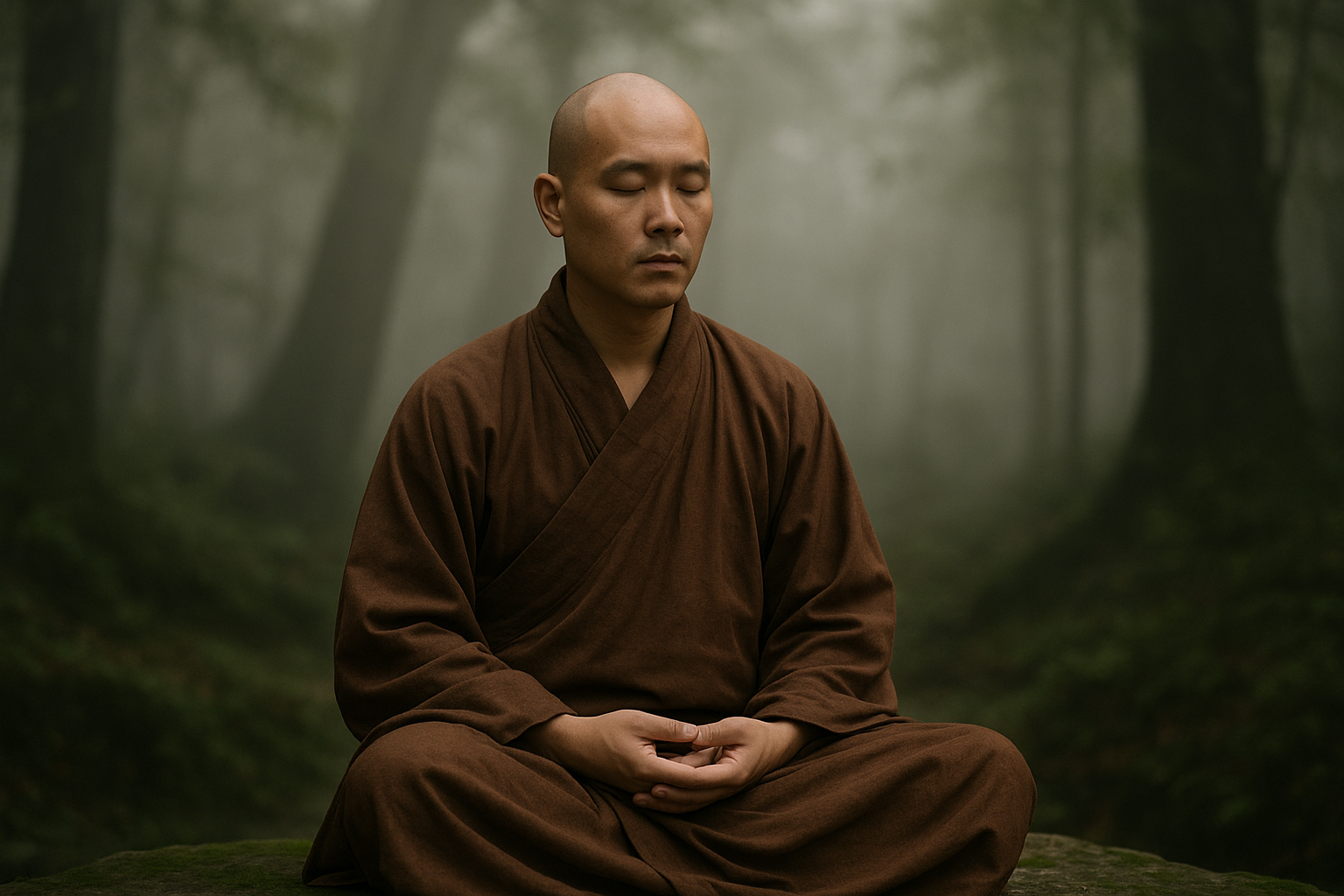
In a world that elevates grand gestures and public accolades, spiritual heroism often flies under the radar, championed by quieter virtues and subtle strength. This perspective isn’t new, but its importance is increasingly significant in today’s fast-paced, noise-driven society. As we rethink spiritual heroism, we find value not in the loud and ostentatious but in the silent, everyday acts of courage and steadfastness.
The Traditional View of Heroism
Traditionally, heroism has been synonymous with acts of valor, epic tales of bravery, and self-sacrificial victories. We think of ancient warriors or contemporary figures who have made a visible impact on the world stage. According to Psychology Today, heroism is often associated with “extraordinary actions in crisis situations.”
These magnified efforts undoubtedly deserve recognition. Yet, the spiritual realm operates on different frequencies, often invisible to the immediate gratifications of fame and public acclaim.
Quiet Acts of Spiritual Heroism
Spiritual heroism—despite its inherent reticence—is rooted in profound personal battles and understated victories that contribute to personal and communal growth. These are less like thunderous declarations and more like the soft rustle of leaves underfoot, steadfast and nurturing.
- Perseverance in Adversity: The patient endurance of life’s hardships without complaint or the need for validation is a cornerstone of spiritual heroism. It’s about weathering life’s storms with dignity and grace.
- Compassionate Listening: Full-bodied listening, where an individual truly hears and empathizes with another, is a profound act of heroism that requires one to set aside their ego and intentions.
- Self-Restraint and Discipline: The daily discipline to follow a path of righteousness or maintain ethical standards even when no one is watching speaks volumes about an individual’s inner strength.
Historical Figures and Their Quiet Impact
History is peppered with individuals who exemplified quiet spiritual heroism. Consider Mother Teresa, whose life work was not about seeking the limelight but simply serving the poor and destitute. Her sentiment was, “Not all of us can do great things. But we can do small things with great love” (BrainyQuote).
Similarly, Mahatma Gandhi’s nonviolent resistance, though not flashy in the traditional sense, was an immensely potent force for political and social change. He demonstrated that steadfast commitment to one’s principles could indeed move mountains without uttering a word.
The Inner Work of Spiritual Heroism
The path of inner work involves overcoming one’s inner demons, which, though less visible, demand as much if not more courage than any outward display of bravery. It requires an honest, unflinching look at oneself—a journey summed up well by Carl Jung who said, “Your vision will become clear only when you can look into your own heart. Who looks outside, dreams; who looks inside, awakes.” (Carl Jung Society)
“The narrow path is often quiet, for it traverses the unseen realms where the heart’s true battles are fought.”
Everyday Examples of Spiritual Heroism
In everyday life, spiritual heroism can be witnessed in various forms, usually in acts that seem mundane on the surface but carry depth. Consider religious leaders who guide their communities with wisdom and humility, or the unnamed individuals who dedicate their lives to social work.
- Teachers and Mentors: Those who mentor youths, shaping future generations with patience and understanding, exhibit foundational spiritual heroism.
- Caregivers: Family members who dedicate themselves to caring for the sick or elderly, without expectation of recognition, embody this quiet courage.
- Activists: Those who tirelessly advocate for justice and equality, often facing significant personal sacrifice, echo the tenets of true spiritual resilience.
Navigating the Quiet Path
Walking the narrow path often requires one to detach from societal expectations and focus inward. It’s about being content to remain unsung, realizing—as Ralph Waldo Emerson suggests—that the true rewards are internal: “To be yourself in a world that is constantly trying to make you something else is the greatest accomplishment.”
Rethinking spiritual heroism allows for a more inclusive interpretation, recognizing that not all heroes wear capes; some carry empathy, some wield compassion, and others possess the simple yet profound courage to be authentic in an inauthentic world.
Conclusion
In reimagining spiritual heroism, we embrace the notion that the quiet path—though less trodden and often overshadowed by the grandiosity of public achievement—is equally, if not more, noble. This path can be arduously silent, yet it resounds with the echoes of resilience, purity of heart, and unwavering commitment to values that transcend worldly recognition. It’s a journey for those who understand that the most profound teachings often come wrapped in the quietest whispers of the soul.
Ultimately, the lesson is clear: every step taken on this narrow path is a victory in itself, a testament to the quiet heroes among us who reshape our world through sustained, silent, and often invisible acts of courage and love.