Author: divinegong

  • God in Every Step — Pilgrimage as Daily Devotion

    God in Every Step — Pilgrimage as Daily Devotion

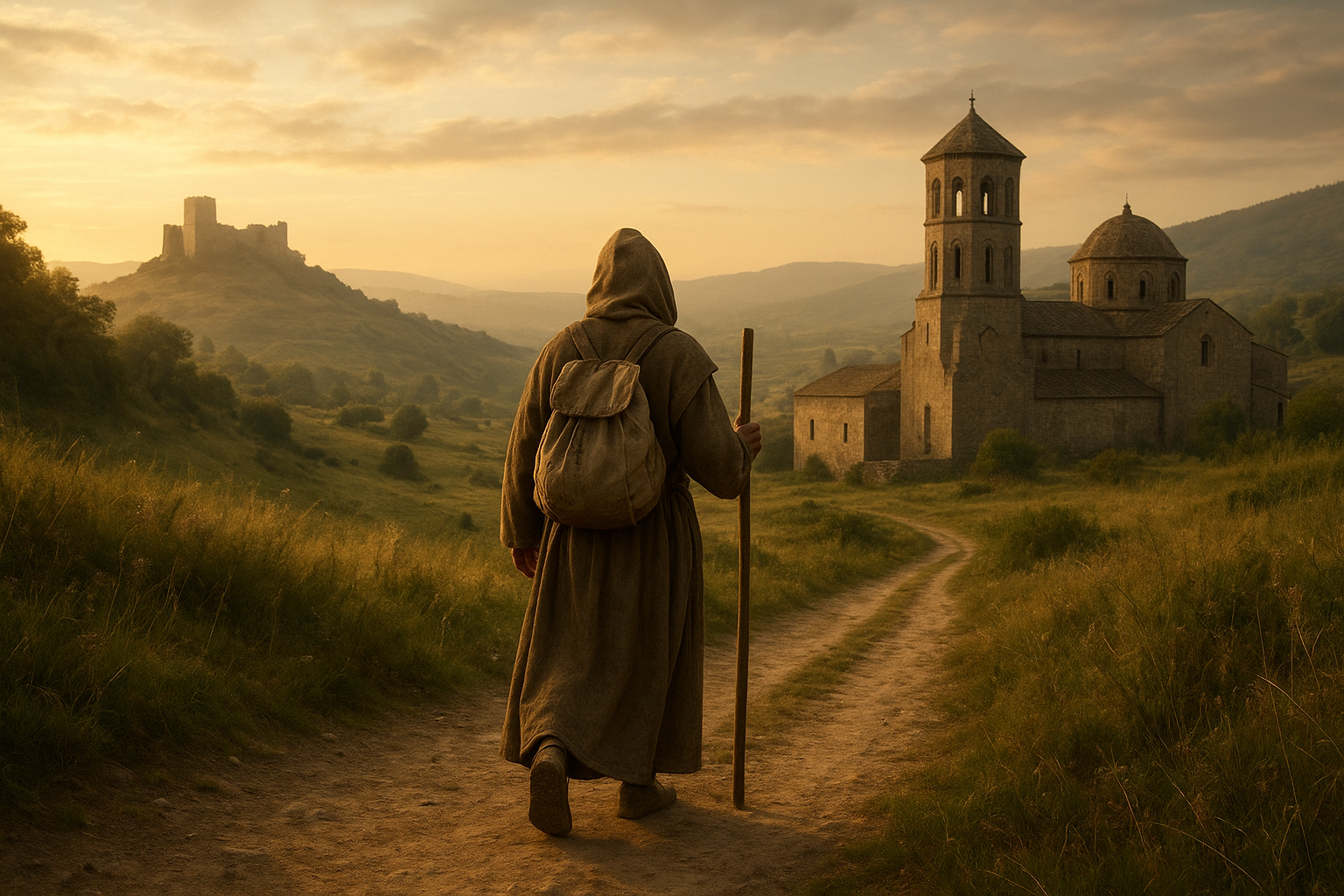
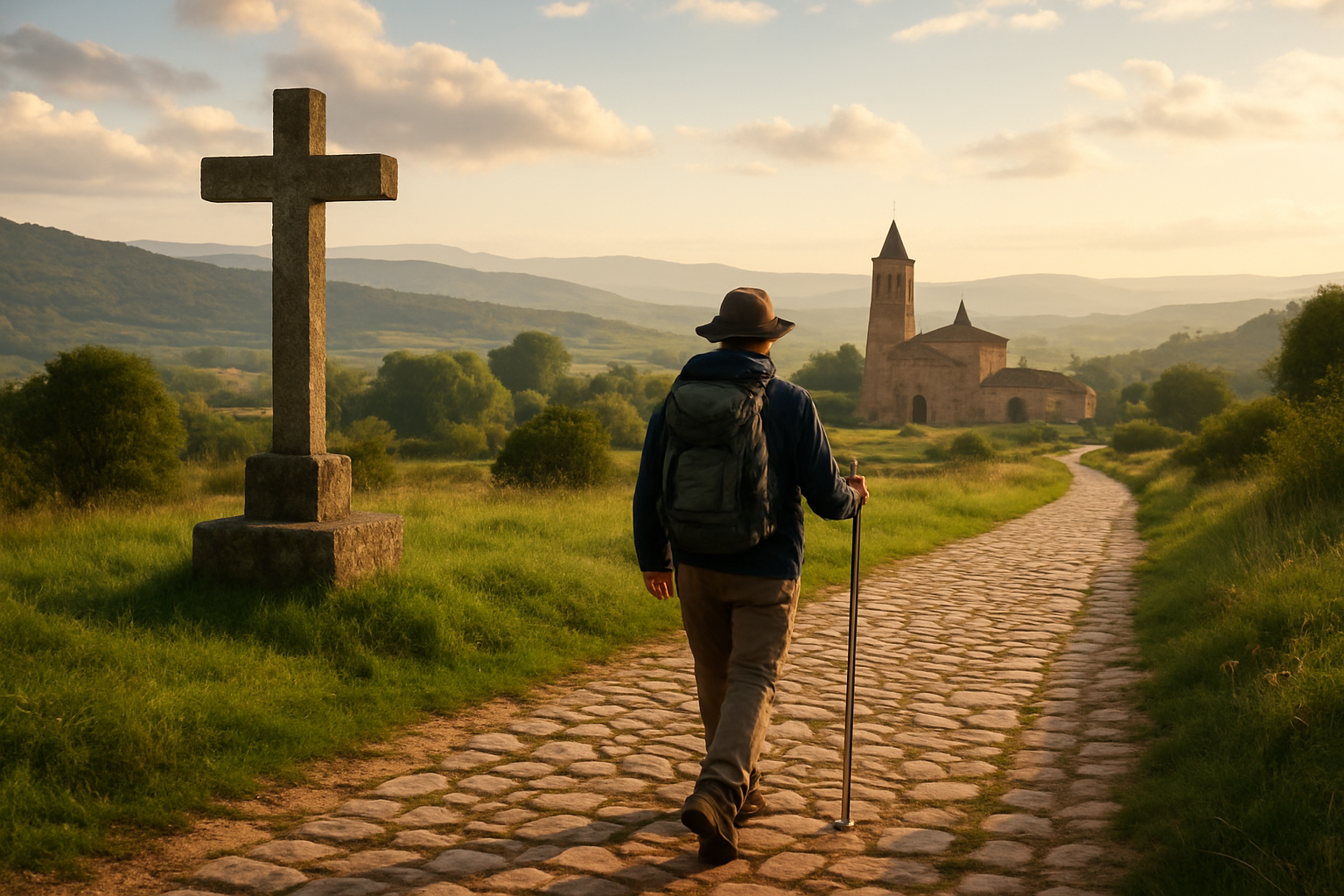
    The concept of pilgrimage is often associated with long journeys to holy sites. However, the essence of pilgrimage can be woven into our everyday lives. By perceiving each step as an act of devotion, we can transform the mundane into the sacred, instilling a sense of purpose and presence in our daily routines.

    Understanding Pilgrimage

    A traditional pilgrimage involves traveling to a place of religious or spiritual significance. For instance, Muslims journey to Mecca, Catholics visit Lourdes, and Hindus travel to the Ganges. These journeys are marked by hardship, reflection, and revelation, aiming to foster a deeper connection with the divine. As spiritual teacher Jack Kornfield notes, “The spiritual journey is not some added benefit of being human; it is the very purpose of being human.” (Spirituality & Practice).

    Reimagining Pilgrimage

    Reimagining pilgrimage as a daily devotion means incorporating its principles into the fabric of our everyday existence. Here are some ways to achieve this:

    • Mindful Walking: Approach each walk, whether to work or through nature, as a sacred journey. Pay attention to the details of the surroundings and the rhythm of your breath, inviting a sense of peace and awareness.
    • Intentional Movement: Transform routine activities into opportunities for reflection. Consider cooking, cleaning, or even commuting as spaces for meditation, contemplating the divine presence in each action.
    • Gratitude as a Guide: Begin and end each day with moments of gratitude, recognizing the divine in all aspects of your life and acknowledging the gift of each step you take.

    The Sacredness of the Journey

    The idea of finding God—or the divine—in our daily steps is deeply rooted in many spiritual traditions. Viewing life as a series of sacred steps helps create a meaningful existence. In Buddhism, for example, walking meditation, or kinhin, is an integral practice. As Zen master Thich Nhat Hanh suggests, “Walk as if you are kissing the Earth with your feet.” This sentiment from his book The Long Road Turns to Joy encapsulates the concept of cherishing each step we take.

    Challenges and Opportunities

    Incorporating pilgrimage into daily life is not without challenges. The frenetic pace of modern life often distracts us from contemplation. Our minds are bombarded with information, and our time is segmented into tight schedules. Yet, within these constraints lie opportunities for self-discovery and spiritual growth.

    Overcoming Distractions: Cultivate moments of silence and stillness. This might mean setting aside a few minutes during a lunch break to step outside, unplugging from digital devices, or fostering a meditative space at home. As Anne Lamott writes in Traveling Mercies: Some Thoughts on Faith, “Almost everything will work again if you unplug it for a few minutes, including you.”

    Another approach is to savor solitary moments. In solitude, we can reflect on personal challenges and victories, seeking guidance and wisdom from a higher power or the inner self. The pilgrim’s path, when walked with intention, unveils the tapestry of the divine interwoven with the ordinary.

    The Fruits of Daily Pilgrimage

    Embracing the pilgrimage of daily life enriches our experiences and fosters personal transformation. As philosopher and theologian Pierre Teilhard de Chardin eloquently expressed, “We are not human beings having a spiritual experience. We are spiritual beings having a human experience.” By acknowledging this profound truth, each step becomes an opportunity to advance in our spiritual journey.

    Furthermore, weaving devotion into daily activities fosters community and empathy. As we cultivate inner peace and mindfulness, these qualities naturally extend to our interactions with others. The collective experience of seeing the divine in each step enhances our interpersonal connections and reverence for the world we share.

    Conclusion

    Pilgrimage need not be a distant endeavor. By bringing the consciousness of a pilgrim into everyday life, we awaken the dormant sacredness in our routines. Each step, whether physical or metaphorical, offers a chance to connect with the divine, transforming the journey of life into a path of devotion.

    “To subscribe to a faith is to be a custodian, or a steward, to interpret what matters from the scripts of sacred experience.” — Krista Tippett, On Being

    May each day be a pilgrimage, every step a prayer, and the destination—understanding and communion with the divine within and around us.

  • From Dust to Divinity — Remembering Our Sacred Origin

    From Dust to Divinity — Remembering Our Sacred Origin

    From Dust to Divinity: Remembering Our Sacred Origin

    Throughout the vast expanse of time, humans have sought to understand their place in the universe. The story of our origin is woven into our myths, our science, and the very soil from which we are formed. This article explores the profound connection between the dust of the earth and the divine essence that many believe breathes life into humanity.

    The Cosmic Connection

    Modern science often starts with the Big Bang, the cosmic event that set everything into motion. This scientific narrative might seem distant from our earthly existence, yet it closely aligns with many spiritual beliefs. As Carl Sagan famously said, “We are made of star-stuff,” emphasizing our direct connection to the universe. [source]

    Earthly Transformations

    From the stars, we turn to the earth—a planet teeming with life, where ancient myths often speak of humanity’s creation from dust or clay. The Book of Genesis describes, “Then the LORD God formed a man from the dust of the ground and breathed into his nostrils the breath of life” (Genesis 2:7). This symbolism of dust emphasizes our fragile nature and the potential for transformation.

    The Dust of Life

    Dust, often viewed negatively, is in fact the fundamental building block of life. Earth’s ecosystems depend on this delicate equilibrium of nutrients, minerals, and organic matter. The dust that blows off the Sahara Desert, for example, provides vital nutrients to the Amazon rainforest, underscoring the interconnectedness of life. As NASA highlights, these dust particles are “essential in keeping the balance of ecosystems around the world.” [source]

    Sacred Rituals and Dust

    In many spiritual practices, dust and ashes hold a place of purity and transcendence. Hinduism reveres the Vibhuti, sacred ash, as a symbol of divine consciousness and the eternal nature of the soul. Similarly, Christianity observes Ash Wednesday, where ashes are used to remind believers of their origins and eventual return to dust.

    • Hinduism: Practices like applying Vibhuti emphasize humility and surrender to a higher power.
    • Christianity: The ritual of Ash Wednesday symbolizes mortality and the hope of resurrection.
    • Buddhism: Teachings highlight impermanence and encourage a profound understanding of our fleeting nature.

    From Dust to Divinity

    The journey from dust to divinity is not merely metaphysical. It is a path that reminds us of our responsibilities towards each other and our environment. As we embrace the notion of dirt as destiny, we must also remember our role as stewards of the Earth, nurturing life in all its forms.

    “The clearest way into the Universe is through a forest wilderness.”
    John Muir

    These words from conservationist John Muir echo the call to reconnect with our environment, to see the dust not as mere dirt, but as a vibrant testament to life’s miracle. The call to return to nature is, in essence, a call to remember our sacred origin.

    Conclusion: Unity and Reflection

    In remembering our sacred origin, we acknowledge the profound truth that we are both insignificant and miraculous. The dust we tread today was once part of distant stars and ancient landscapes. Our earthly journey serves as a reminder of the divine potential within every speck of dust that composes our being.

    As we move forward, embracing both scientific and spiritual perspectives, may we honor our divine origin and strive to live in harmony with each other and our planet. For in the dust beneath our feet lies the promise of creation and the whisper of eternity.

    In this ever-evolving tapestry of life, from dust to divinity, we are truly one with the universe.

  • The Fire That Doesn’t Burn — Encountering the Divine Within

    The Fire That Doesn’t Burn — Encountering the Divine Within

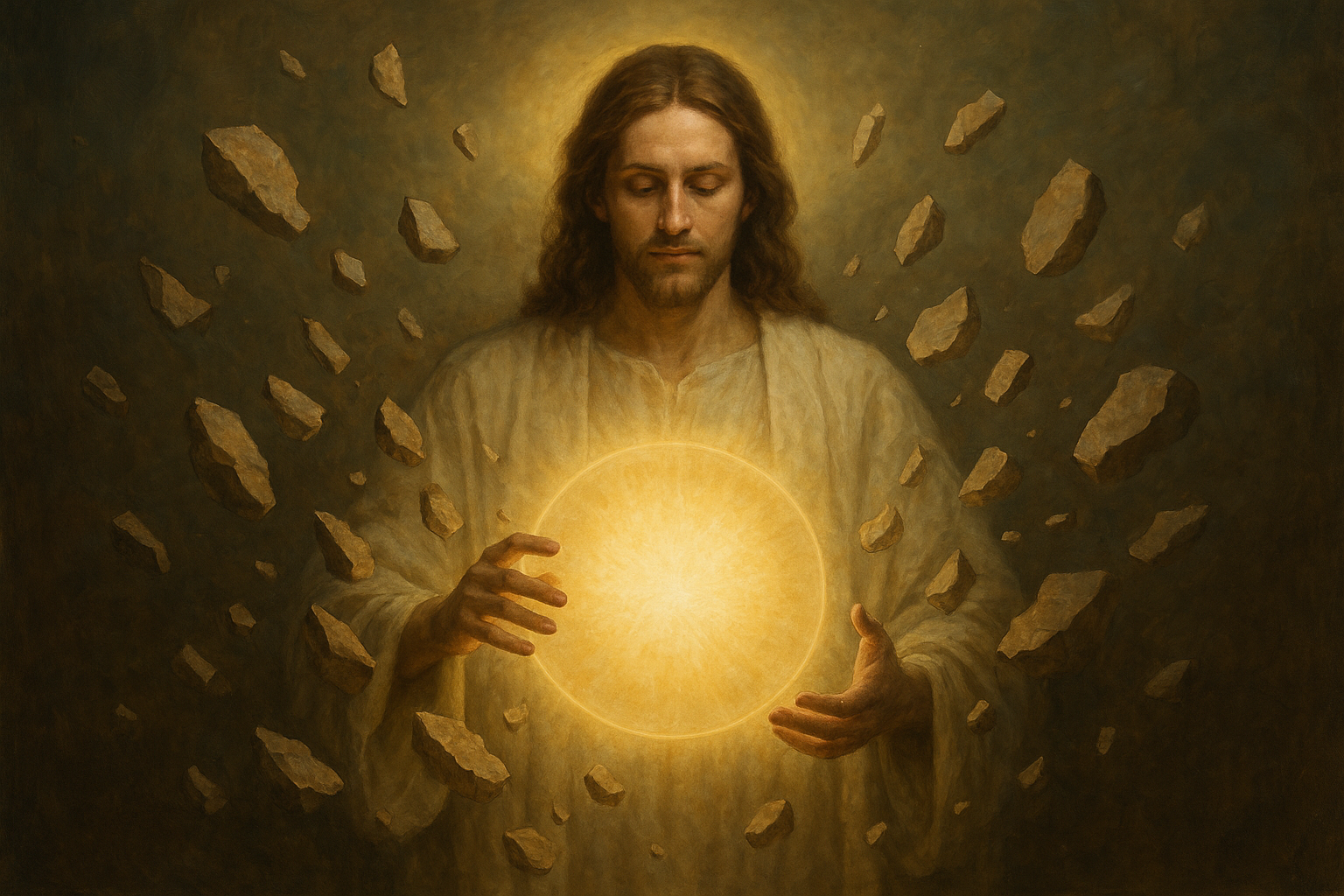
    Throughout history, the imagery of a fire that does not consume has been a profound symbol of divine presence, representing the encounter with the divine that transforms but does not destroy. From religious literature to modern spirituality, this metaphor continues to inspire and guide humanity towards a deeper understanding of self and the universe.

    Historical Context and Symbolism

    One of the most compelling examples of the non-consuming fire comes from the biblical story of Moses and the Burning Bush. In the Book of Exodus, it is written that Moses encounters a bush that is aflame, yet “the bush was not consumed” (Exodus 3:2, NIV). This phenomenon signifies a moment where the divine presence is tangible and transformative, representing a call to action and a profound personal transformation for Moses.

    This imagery transcends its roots in religious texts and echoes through various cultures and spiritual practices. It suggests a transcendent experience where one is touched by a higher understanding or presence yet remains whole and unchanged in the material sense.

    Modern Interpretations

    In contemporary spirituality, the idea of “the fire that doesn’t burn” often symbolizes an inner divine spark or an encounter with one’s higher self. Modern spiritual teachers like Eckhart Tolle and Deepak Chopra speak of finding inner peace and enlightenment as states of being that illuminate life without causing chaos or harm.

    “The significant problems we face cannot be solved at the same level of thinking we were at when we created them.” — Albert Einstein

    This quote aligns with the concept of the eternal fire, which encourages us to rise above our mundane experiences to encounter something greater within ourselves.

    Personal Transformation

    Encountering the divine within is often described as a transformative experience, enabling individuals to break free from the bounds of ego and experience a sense of oneness and purpose. This journey can be facilitated through various practices such as meditation, mindfulness, and reflective prayer.

    • Meditation: Allows individuals to connect with their inner selves and find the divine spark within.
    • Mindfulness: Encourages living in the present moment, where the divine is often said to reside.
    • Reflective Prayer: Offers a dialogue with the divine, enabling a personal encounter with the sacred.

    Ultimately, the metaphor of the fire that does not burn serves as an invitation to explore the divine within each of us—a call to witness something greater that inspires profound inner change without causing harm to our true essence.

  • Paths of the Pilgrim Soul — Walking Toward the Infinite

    Paths of the Pilgrim Soul — Walking Toward the Infinite

    Paths of the Pilgrim Soul — Walking Toward the Infinite

    The journey of a pilgrim is a timeless endeavor, transcending cultures and epochs. It is more than mere travel; it is an expedition into the depths of the self, a spiritual odyssey charting a course toward the infinite. This exploration is reminiscent of the age-old quests that have captivated humanity’s imagination and driven individuals to seek beyond the tangibles of everyday life.

    The Historical Tapestry of Pilgrimage

    Pilgrimages have been an integral part of human tradition across various religions and spiritual practices. From the hajj to Mecca, the walks to Santiago de Compostela, to the countless ancient footpaths leading to holy sites around the globe, the act of pilgrimage reflects a universal quest for spiritual fulfillment and divine connection.

    “The pilgrimage is an existential journey that reflects, in essence, the perennial aspiration to transcend the mundane and reach out towards the divine.” — Stanford Encyclopedia of Philosophy

    The Purpose and Motivation Behind Pilgrimages

    While journeys differ in their specific goals, the motivations often converge toward themes of repentance, healing, and seeking enlightenment. Pilgrims traverse paths once walked by the saints, prophets, and ancestors, seeking personal transformations through ascetic discipline, reflection, and prayer.

    • Repentance: Traditionally, many have embarked on pilgrimages to atone for sins or moral failings, expecting that the hardship endured along the way will purify the soul.
    • Healing: Some journeys are taken with hopes of achieving healing, whether it be physical, emotional, or spiritual, by drawing near to holy relics or sacred spaces.
    • Spiritual Enlightenment: For other pilgrims, the journey symbolizes an inward quest, aiming to unravel the mysteries of life and the infinite.

    Pilgrimage in the Modern Era

    In the modern landscape, the nature of pilgrimage has evolved, offering a patchwork of traditional and contemporary motivations. Even those who do not strictly adhere to religious faiths undertake pilgrimages to step away from the chaos of urban life, embracing the journey as an opportunity for reflection and personal growth.

    The Camino de Santiago, an iconic pilgrimage route, draws thousands from around the world, not just for religious reasons, but for the simple act of walking and the reflection it enables. These paths hold a universal allure—a reminder, perhaps, that the journey itself often defines the experience, rather than just the destination.

    A Personal Reflection: The Infinite Within

    Embarking on a pilgrimage is as much about an internal journey as it is an external one. Pilgrims often find that they are not walking away from something but rather walking toward an inner revelation. The paths wind through diverse landscapes, each footfall a moment of meditation, each horizon a reflection of infinite potential.

    “Walking brings you back to yourself, to the here and now, removing you from the clutter of modern life that distracts you from truth.” — Thich Nhat Hanh

    As pilgrims navigate through these pathways, they are confronted with both the vastness of the infinite and the smallness of individual existence. Yet, within this paradox lies profound truth and peace. Each day has its trials: aching muscles, harsh weather, and solitude, yet these are counterbalanced by moments of epiphany, unspoken companionship with fellow travelers, and the overwhelming beauty of the world.

    The Symbolism of the Path

    On a metaphorical level, the path of the pilgrim resembles the path of life itself—riddled with challenges, breakthroughs, and sustainable transformations. It echoes the yearning of the soul towards the infinite, the desire to understand one’s place within the cosmic structure.

    • Paths as Teachers: Each phase of the pilgrimage teaches its own lesson, demanding release from ego and comfort, inviting humility, resilience, and growth.
    • Solitude and Companionship: While the journey is often solitary, it is punctuated by profound encounters with others who, even momentarily, share in the passage.
    • The End is a Beginning: Historically, completing a pilgrimage results not in termination but in commencement—a renewed understanding of self and a spiritual reawakening.

    Conclusion: Seeking the Infinite

    Ultimately, the paths of a pilgrim soul are untethered from time and place, echoing an innate human longing for deeper truths. These journeys form bridges across generations, cultures, and beliefs, resonating with the universal pursuit of the sacred and the divine. Whether treading ancient roads or self-charted courses, the pilgrim soul continually walks toward the infinite, traversing the realms of existence and consciousness.

    Pilgrimages reveal the world not only in its physical grandeur but in its metaphysical possibilities, inviting each traveler to explore their own spiritual landscapes and seek the infinite within. A voyage through silent forests, sacred mountains, and endless horizons, piligramges create pathways not just on earth, but within the very fabric of the soul itself.

  • Light Without Source — Mystical Reflections on the Uncreated

    Light Without Source — Mystical Reflections on the Uncreated

    Light Without Source: Mystical Reflections on the Uncreated

    Throughout history, the notion of “light without source” has captivated the human imagination, evoking both mystical and philosophical inquiries. This concept challenges our understanding of light as a natural phenomenon emanating from stars, lanterns, or technology and invites us into a space of spiritual and metaphysical reflection.

    The Mystical Conceptions

    The idea of source-less light resonates deeply within various mystical traditions. In Christian mysticism, for instance, light is often a metaphor for the divine presence. According to the writings of the Christian mystic Meister Eckhart, God is the “ground of being,” beyond all forms of manifestation, including light itself. Eckhart speaks of a divine radiance that is perceived inwardly, independent of any external source.

    Similarly, within Islamic Sufism, the poet Jalaluddin Rumi writes of a light that illuminates the heart directly, without any intermediary. Rumi’s reflections suggest that this is the light of understanding and love, saying, “The lamps are different, but the Light is the same; it comes from Beyond.”

    “The lamps are different, but the Light is the same; it comes from Beyond.” — Jalaluddin Rumi

    Philosophical Inquiry

    In addition to its mystical dimensions, the concept of light without a source has intrigued philosophers, particularly those engaged with metaphysics. The Greek philosopher Plotinus, a proponent of Neoplatonism, speculated about a form of light that transcends being, emanating from the One, an ultimate reality that is beyond existence.

    This consideration of source-less light invites reflection on the very nature of existence and the cosmos. If light without source exists, it challenges the traditional comprehension of causality and temporality. It poses a profound question: can something exist without origin?

    The Science of Light

    Modern physics, while not engaging directly with mystical and philosophical interpretations, offers fascinating insights into the nature of light. Photons, the particles of light, demonstrate dual characteristics, acting as both particles and waves. They exist at the very foundation of matter and can illuminate, quite literally, the most obscure aspects of our universe.

    Nevertheless, scientific exploration often rekindles age-old mystical queries, blurring the lines between empirical understanding and the ancient wisdom embedded in humanity’s spiritual heritage.

    Conclusion

    The contemplation of “light without source” continues to inspire and baffle us, bridging the realms of spirituality, philosophy, and science. It pushes us to ponder the origins of understanding, existence, and the boundless nature of both the universe and the divine. Though the physical sources of light are clear and quantifiable, the source-less light remains a brilliant enigma, casting its illumination in the hidden corridors of the mind and heart.

  • Echoes of the Divine Gong — The Sound That Awakens Worlds

    Echoes of the Divine Gong — The Sound That Awakens Worlds

    The resonant sound of the gong has been used for centuries across various cultures as a tool for meditation, healing, and spiritual awakening. Originally crafted in China, these sonorous instruments have echoed through countless rituals and ceremonies, each tone evoking a connection to the divine.

    “When the Gong is sounded, the vibrations go through the body and around the body, the sound energy created by the gong will encourage your body to rejuvenate and transform.” – Yogi Bhajan

    The Historical Symphony

    Dating back some 4,000 years, gongs have been a staple in Asian musical and spiritual practices. Traditional Chinese uses included sending off warriors to battle or as a mark of great ceremonial events. It is said that each gong tells a unique story, and practitioners believe that the range of sounds produced can open new dimensions of consciousness.

    The Gong Bath Experience

    Today, the practice of “gong baths” has gained popularity, offering individuals a therapeutic experience through sound. A gong bath is not merely auditory; it bathes the whole body in sound, promoting profound relaxation and a meditative state. Participants often report feelings of transcendent peace, inner clarity, and emotional release.

    • Deep Relaxation: The vibrations help in reducing stress and lowering blood pressure.
    • Enhanced Meditation: The sound facilitates deeper meditative experiences, transcending ordinary thought processes.
    • Emotional Balance: It can promote emotional healing by releasing suppressed traumas and emotions.

    Dr. Mitchell Gaynor, author of “The Healing Power of Sound,” emphasizes the transformative power of sound:

    “Sound can redress imbalances on every level of physiologic functioning and can play a positive role in the treatment of virtually any medical disorder.”

    A Universal Language

    The gong speaks a universal language that transcends barriers of culture and religion. Its deep, resounding voice is believed to echo the sound of the universe itself, a reminder of our connection to all that exists. Whether it’s the call for a deeper spiritual practice, a need for emotional healing, or simply an exploration of the self through sound, the gong acts as a guide, inviting us to awaken and embrace the infinite possibilities of the universe.

    In this sacred journey facilitated by sound, the gong remains a powerful instrument, its echoes resonating with ancient wisdom and modern seekers alike.

  • The Monk Within — Living the Dharma in Modern Life

    The Monk Within — Living the Dharma in Modern Life

    In a world dominated by rapid technological advancements, constant connectivity, and relentless social demands, the teachings of ancient philosophies, such as the Dharma, offer a tranquil haven. The Dharma, derived from the teachings of Buddha, presents a path to inner harmony and enlightened living. But how does one integrate these teachings into the chaos of modern existence?

    Understanding the Dharma

    Dharma, in its essence, refers to the universal law and order. In the context of Buddhism, it encompasses the teachings of Buddha aimed at enlightenment and the realization of the true nature of reality. Thich Nhat Hanh, a revered Buddhist monk, explained it eloquently:

    “The Buddha taught that it is possible to live happily in the present moment. It is the only moment that is real, and it’s possible to live this kind of life.”

    (Thich Nhat Hanh).

    Incorporating Dharma into Daily Life

    Applying the principles of Dharma need not be a complex endeavor. Here are some practical ways to integrate these teachings into contemporary life:

    • Mindful Living: Embrace the art of mindfulness by being fully present in each moment. Simple practices such as mindful breathing and conscious eating can help cultivate awareness.
    • Compassion and Kindness: Cultivate a heart of compassion towards all beings. Acts of kindness not only enhance the well-being of others but also nurture inner joy.
    • Simplicity: Simplify your life by focusing on what truly matters. Declutter your living space and mind to create a peaceful environment.
    • Reflection: Spend time in daily reflection or meditation to understand your thoughts and emotions better. This practice fosters self-awareness and spiritual growth.

    The Pursuit of Inner Peace

    Adapting to the teachings of Dharma is not about withdrawing from the world but engaging with it more mindfully and compassionately. As the Dalai Lama wisely said,

    “We can never obtain peace in the outer world until we make peace with ourselves.”

    (Dalai Lama).

    By finding the monk within, individuals can navigate life’s challenges with grace and poise. The Dharma offers a pathway to transform not just one’s own life, but the world around. In the complexity of modern existence, the simplicity of living the Dharma can indeed be profoundly liberating.

  • A Leaf Falls in Silence — The Paradox of Presence

    A Leaf Falls in Silence — The Paradox of Presence

    In a world swarming with noise, how often do we encounter silence? The subtle wish of a leaf to reach the ground may go unnoticed amidst the cacophony of daily life. Yet, within this moment of quiet elegance lies a profound lesson in presence, one that encourages us to explore the paradox of being truly present.

    The Essence of Presence

    Presence is not merely being physically available; it is a deeper engagement with the moment. As spiritual teacher Eckhart Tolle eloquently remarks, “Realize deeply that the present moment is all you ever have.” The alignment of mind, body, and soul to the now is where one finds genuine stillness and clarity.

    The Noise Within

    Modern life buzzes with interruptions. Phones ring, emails chime, and the constant scroll of social media steals away the present. In this digital age, the quest for presence becomes increasingly challenging. Our minds, like untamed gardens, are overgrown with the weeds of distractions and anxieties. Yet, it is within this tumult that the value of true presence shines even brighter.

    The Paradox

    Presence, intriguingly, comes hand in hand with paradox. Why? Because it involves both doing and not doing, listening and speaking, engaging and surrendering. It demands an awareness of being both a part of the world and momentarily apart from it.

    “The quieter you become, the more you are able to hear,”
    said the legendary Rumi.

    This sentiment illustrates the paradox: to be fully present, we may need to step back, to listen more and speak less. From silence, the honest voice of the world emerges.

    Embracing the Silence

    • Meditation: The practice of meditation gives us a platform to encounter silence deliberately. It is a dedicated time to attune to our breath and begin to notice the quiet beneath the noise.
    • Mindful Walking: As you walk through a park or a quiet street, tune in to the whoosh of the wind or the soft rustling of leaves. Each sound is a reminder of the broader universe seamlessly unfolding around and through us.
    • Digital Detox: Setting aside time periods devoid of screens and alerts can help refresh our attention and focus, creating space to relish in the subtlety of existence.

    Within these practices, we find the paradox once again. In seeking silence, we discover the fullness of life. A leaf falls in silence, yet its impact on the ecosystem is timeless and powerful. So, too, is our ability to affect positive change when fully present in our tasks and conversations.

    The Impact of Presence

    Imagine a friend fully engaged in your conversation, their phone turned off and their attention unwavering. This presence creates space for empathy and understanding, turning a simple dialogue into a bonding moment rich with mutual respect.

    An engaging read from Psychology Today explores how cultivating presence can enhance relationships, increase productivity, and lead to personal growth.

    The Path Forward

    The art of being present is a practice, not a destination. It involves choices and a willingness to step into spaces of discomfort. The paradox lies in its simplicity and complexity; the path is uniquely challenging and rewarding. As a leaf falls quietly, unnoticed by many, so too does true presence hold a quiet power that reshapes our lives and relationships.

    “Walk as if you are kissing the Earth with your feet”—Thich Nhat Hanh urges. In this gentle act of mindfulness, the world becomes vibrant, alive with possibilities and wisdom.

    The journey to harnessing presence can begin anywhere—in a forest, a crowded street, or a moment of solitude. Our task is to notice, to listen, and to be, unraveling the paradox of embracing what is while letting go of what isn’t.

    In the symphony of life, will you pause to hear the silence of a leaf falling?

  • The Moment Before Sound — Discovering Pure Awareness

    In the realm of human consciousness, there exists a state often overlooked but profoundly impactful: the moment before sound. This is not merely the silence between notes of music, but the instant of quietude before our environment or thoughts intrude—an instant where pure awareness resides.

    The idea of pure awareness stretches beyond conventional understanding. Whereas awareness is typically entangled with sensory experience, pure awareness invites a deeper dive into the consciousness unfettered by the external world. It is a state of simplicity, where the mind is at peace and the self is attuned to its essence.

    “Awareness is the greatest agent for change.” – Eckhart Tolle

    The Doorway to Pure Awareness

    Reaching this state necessitates stepping through the doorway of silence, an entrance found in meditative practices, deep concentration, and sometimes in moments of spontaneous stillness. Meditation remains the most profound avenue for many to explore this state. Techniques such as mindfulness meditation make use of breath or stillness focus—helping individuals detach from their surroundings and thoughts, touching upon that preceding moment before noise sneaks in.

    Embracing the Quietude

    In contemporary mindfulness practices, the concept of “holding the space” emerges persistently. This term refers to creating a mental and emotional space where distraction melts away. It is there that people often encounter pure awareness, a state unmarked by narrative or interpretation, colored only by pure consciousness.

    • Leave Ambient Sound Behind: Begin with five minutes of silence daily, increasing as comfort grows. Use noise-cancelling environments to facilitate the transition.
    • Focus on Breathing: Align focus to breathing patterns, observing without engaging with thoughts that arise.
    • Suspend Judgment: Allow consciousness to flow freely, resisting the urge to judge or categorize the sensations one experiences.

    In her work, mindfulness teacher Tara Brach emphasizes the importance of this practice, urging that we must “trust the goodness” of these moments of pure awareness [source]. Such moments become pathways to understanding the self on a profound level.

    Ultimately, the “moment before sound” signifies more than an aspect of meditation; it represents an opportunity to align with the universe and our internal compass. As we harness this fleeting yet potent instant, we pave the path to transformative personal growth and boundless awareness.

    As the timeless adage from Zen tradition reminds us: In the search for what lies beneath, we become not human beings here for a day, but beings of the cosmos, here for eternity.

  • Tea and Eternity — Zen Rituals in Everyday Acts

    Tea and Eternity — Zen Rituals in Everyday Acts

    Tea and Eternity: Zen Rituals in Everyday Acts

    In the hustle and bustle of modern life, the quiet rituals of Zen offer a sanctuary—a momentary pause that invites introspection and awareness. One such ritual, the art of making and drinking tea, embodies the Zen philosophy of living in the present moment. But how does this ancient practice extend beyond the tea room into everyday life?

    “In the beginner’s mind there are many possibilities, but in the expert’s there are few.” — Shunryu Suzuki, Zen Mind, Beginner’s Mind

    The Japanese tea ceremony, known as chanoyu, is a practice deeply rooted in Zen Buddhism, focusing on precision, grace, and harmony. Each movement is deliberate, performed as if a dance, cultivating a deep sense of mindfulness. This ritual exemplifies the Zen ideal of being completely present, a skill that can transform ordinary tasks into extraordinary experiences.

    The Essence of Zen Practices

    At its core, Zen is about simplifying one’s life by focusing on the essentials. According to Thich Nhat Hanh, a renowned Zen master, “Drink your tea slowly and reverently, as if it is the axis on which the world earth revolves—slowly, evenly, without rushing toward the future.” This perspective encourages us to find serenity in the simplest acts, turning them into a form of meditation.

    Integrating Zen in Everyday Tasks

    Adopting Zen into daily life doesn’t require elaborate rituals. Instead, it asks us to engage wholeheartedly in our tasks, no matter how mundane they may seem. Here are some ways to integrate Zen into everyday acts:

    • Mindful Breathing: Take a moment each hour to breathe deeply and connect with your breath, anchoring yourself in the present.
    • Intentional Eating: Savor each bite of your meal, noting the textures and flavors. Use meals as a reminder to be present.
    • Gratitude Practice: Reflect on three things you are grateful for at the end of each day, fostering a positive perspective.

    By applying these Zen practices, we can transform life’s routine and seemingly insignificant moments into opportunities for reflection and growth. The simplicity and focus on being present enable us to experience a form of eternity—capturing moments that are as fleeting as they are sublime.

    Ultimately, Zen rituals like the tea ceremony teach us that the path to tranquility and enlightenment lies not in grand gestures, but in the grace of everyday acts approached with awareness and intention.