Category: Uncategorized

  • Abrahamic Mysticism and Zen – Bridging Sacred Traditions Through Insight

    Abrahamic Mysticism and Zen – Bridging Sacred Traditions Through Insight

    Abrahamic Mysticism and Zen: Bridging Sacred Traditions Through Insight

    In our ever-complex world, individuals and communities are increasingly turning to ancient spiritual traditions to find coherence and meaning. Among these, Abrahamic mysticism—comprising Jewish Kabbalah, Christian Mysticism, and Islamic Sufism—and Zen Buddhism offer profound insights into the nature of the self and the universe. This article seeks to explore the intersections of these spiritual paths and how their insights can resonate together, overcoming barriers of time and geography.

    The Essence of Abrahamic Mysticism

    Abrahamic religions, emerging from the Middle East, share monotheistic foundations and a deep, intertwined history.

    • Jewish Kabbalah: Often seen as a mystical interpretation of the Hebrew Bible, Kabbalah emphasizes the intimate relationship between the divine and the human. The Kabbalistic Tree of Life symbolizes the spiritual journey from earthly understanding to heavenly awareness.
    • Christian Mysticism: Rooted in the experience of divine union or unio mystica, figures such as St. John of the Cross and Meister Eckhart have articulated pathways to experiencing God within. The mystic path involves purification, illumination, and a transformation akin to enlightenment.
    • Islamic Sufism: Sufism is characterized by the pursuit of divine love and the direct experience of God through practices such as dhikr (remembrance) and sama (listening). The poetry of Rumi beautifully encapsulates the Sufi longing for existential unity with the divine.

    “The lamps are different but the Light is the same: it comes from Beyond.” – Rumi

    Understanding Zen Buddhism

    Zen, a school of Mahayana Buddhism, emphasizes meditation and direct experience over doctrine. Stemming from China as Chan Buddhism and flourishing in Japan, Zen is markedly non-theistic, focusing instead on awakening through the realization of one’s inherent Buddha-nature.

    • Meditation (Zazen): The heart of Zen practice, zazen involves seated meditation, fostering a state of mindfulness and tranquility. It is about seeing into one’s true nature.
    • Koans: Paradoxical questions or statements used in Zen practice to transcend rational thought and engender insight into the nature of reality.
    • Satori: Often translated as enlightenment or awakening, satori is a profound realization of emptiness and the interconnectedness of all life.

    “The practice of Zen is forgetting the self in the act of uniting with something.” – Yamada Koun

    Bridging the Pathways

    Though differing in theology and practice, Abrahamic mysticism and Zen Buddhism converge on key spiritual insights. Both traditions dedicate themselves to transcending the ego, uniting the practitioner with a greater reality beyond individual identity. While mystics in the Abrahamic faiths speak of divine union, Zen adherents describe satori as a state free from dualistic perception.

    Common Practices and Mindsets

    • Meditative Contemplation: Practices in both traditions involve profound states of meditation or contemplation, leading to transformative experiences. In mystical practices, prayer or meditation becomes a pathway to divine communion or ultimate insight.
    • Inner Transformation: At the heart, both paths encourage inner purification or attachment to a higher purpose—be it mystical union or understanding the essence of existence.
    • Symbolic and Metaphorical Language: Rich use of metaphor, poetry, and symbolism is prevalent in both traditions, allowing the indescribable to be intimated through narrative and artistic expression.

    These spiritual streams, while unique in culture and vocabulary, share a common goal: they provide seekers with frameworks for surpassing earthly constraints and achieving deeper spiritual realization.

    The Path Forward: Integrating Insights

    In integrating insights from both Abrahamic mysticism and Zen, practitioners deepen their capacity for empathy, awareness, and spiritual insight. Crosses and crescents rest alongside the Enso, as symbols that transcend mere faith identities to embody universal longing for peace and understanding.

    Spiritual practitioners today might cultivate a unique synthesis—an inner environment where the discipline of zazen harmonizes with the fervent devotion of mystical prayer. By embracing the underlying unity of these traditions, we find a hopeful step towards a future in which spirituality, integrated from East and West, reminds us of our shared humanity and divine potential.

    As boundaries blur, so too does the path to divine realization become more accessible, showing that despite our distinct cultural narratives, our spiritual aspirations remain beautifully and indelibly connected.

  • Methods for Lasting Peace – Ancient Tools for Modern Harmony

    Methods for Lasting Peace – Ancient Tools for Modern Harmony

    Methods for Lasting Peace: Ancient Tools for Modern Harmony

    In a world that often seems engulfed in chaos and division, the pursuit of peace and harmony is as crucial as ever. While modern technology and science offer numerous solutions, ancient wisdom provides timeless tools that continue to be relevant today. This article delves into several ancient practices renowned for fostering peace and introspection, highlighting their potential benefits in our contemporary lives.

    1. Meditation: The Inner Sanctuary

    Meditation is a practice with roots stretching back thousands of years. From the Vedic traditions of India to the contemplative practices of the Buddhist monks, meditation has been a cornerstone of achieving inner peace and reflection.

    “Meditation is not a way of making your mind quiet. It is a way of entering into the quiet that’s already there—buried under the 50,000 thoughts the average person thinks every day.” — Deepak Chopra

    Meditation practices such as mindfulness meditation and transcendental meditation can enhance self-awareness and reduce stress. Many studies, such as one published by the Association for Psychological Science, underline that regular meditation can lower anxiety and improve emotional health.

    2. Yoga: The Union of Body and Mind

    Originating in ancient India, yoga is much more than physical exercise. It is a holistic approach that combines postures, breath control, meditation, and ethical discipline to achieve tranquility.

    • Asanas: Physical postures that enhance flexibility, strength, and balance.
    • Pranayama: Breathing techniques that calm the mind and improve focus.
    • Dhyana: Meditation practices within yoga that promote mental clarity.

    Renowned yogi Swami Sivananda once said, “Yoga is the science of unfolding the infinite potentials of the human mind and soul.” This ancient practice helps individuals connect with their inner selves, subsequently fostering a sense of peace and unity.

    3. Tai Chi and Qigong: The Dance of Life

    Tai Chi and Qigong are ancient Chinese traditions that blend martial arts, movement, meditation, and breathing exercises. These practices are designed to cultivate and balance qi (life energy) and have been used to enhance physical health and emotional tranquility.

    • Improve Balance and Coordination: Slow, deliberate movements enhance core stability.
    • Stress Reduction: The meditative aspect fosters a calm mind and relaxed body.
    • Enhanced Energy Flow: Regular practice unblocks and balances the body’s energy channels.

    According to the Harvard Medical School, research indicates that Tai Chi can provide significant benefits in reducing stress and anxiety, enhancing mood, and improving sleep quality.

    4. Ayurveda: The Science of Life

    Developed over 5,000 years ago in India, Ayurveda is one of the world’s oldest holistic healing systems. It is founded on the belief that health and wellness depend on a delicate balance between the mind, body, and spirit.

    Ayurveda emphasizes the use of natural remedies, dietary practices, and lifestyle changes to promote harmony. Some of its key components include:

    • Diet and Nutrition: Personalized dietary plans based on individual constitutions (doshas).
    • Herbal Remedies: Use of plants and herbs to aid in healing.
    • Detoxification: Techniques such as Panchakarma help in cleansing the body.

    By integrating these practices, Ayurveda aims to create balance within the body, which in turn, leads to mental peace and spiritual enlightenment.

    5. Sufi Practices: The Path of the Heart

    Sufism, the mystical dimension of Islam, offers beautiful practices that emphasize love, devotion, and the purification of the heart. Central to Sufi practice is the concept of dhikr, the remembrance of God through repetition of divine names.

    “Your heart is the size of an ocean. Go find yourself in its hidden depths.” — Rumi

    Sufi whirling and chanting create a meditative state that connects the practitioner with divine love and compassion. These practices not only bring inner peace but also promote a universal message of love and unity.

    Conclusion

    Amidst the hustle and bustle of the modern world, it is comforting to turn to ancient practices that offer profound simplicity and depth. By integrating meditation, yoga, Tai Chi, Ayurveda, and Sufi practices into our daily lives, we can cultivate a lasting inner peace that harmonizes our existence with the world around us.

    As the Dalai Lama wisely remarked, “World peace begins with inner peace.” By adopting these ancient methods, we can individually contribute to a more peaceful, humane world.

  • Deescalating Spiritual Conflicts – Gentle Paths to Inner Resolution

    Deescalating Spiritual Conflicts – Gentle Paths to Inner Resolution

    In the hustle and bustle of modern life, individuals often find themselves embroiled in spiritual conflicts, wrestling with questions about purpose, values, and identity. These conflicts can be unsettling and disruptive, leading to inner turmoil. Yet, they also hold the potential for profound growth and enlightenment. Exploring gentle paths to resolve these conflicts is crucial for achieving inner peace and spiritual fulfillment.

    Understanding Spiritual Conflicts

    Spiritual conflicts arise when an individual’s beliefs, values, or identity clash with external circumstances or inner desires. These conflicts can stem from:

    • The discrepancy between personal values and societal expectations.
    • Struggles with religious beliefs or practices.
    • Conflicting priorities in life, such as career versus family.
    • A general sense of meaninglessness or existential crisis.

    According to Carl Jung, renowned Swiss psychiatrist and psychoanalyst, “The privilege of a lifetime is to become who you truly are.” This journey often involves confronting and resolving spiritual conflicts that challenge one’s sense of self.

    Gentle Approaches to Conflict Resolution

    Resolving spiritual conflicts requires a compassionate and gentle approach. Here are some effective methods:

    1. Cultivating Self-Awareness

    Self-awareness is the cornerstone of deescalating spiritual conflicts. It involves recognizing and understanding your thoughts, emotions, and behaviors. This mindful awareness can be achieved through:

    • Meditation: Meditation practices help quiet the mind, allowing individuals to gain clarity and insight into their inner conflicts. “Meditation is not a way of making your mind quiet. It’s a way of entering into the quiet that’s already there.” ― John Kabat-Zinn
    • Journaling: Writing about your thoughts and feelings can help identify patterns and triggers that contribute to spiritual conflict.

    2. Seeking Guidance

    Reaching out for guidance can offer fresh perspectives and support. Consider the following:

    • Spiritual Mentors: Engaging with a spiritual mentor or counselor can provide insights and strategies for conflict resolution.
    • Community Support: Being part of a spiritual community can offer a sense of belonging and shared wisdom.
    • Therapy: Professional therapy can help individuals explore their conflicts in a safe, non-judgmental environment.

    3. Exploring Creative Expression

    Creative endeavors can be a powerful outlet for processing spiritual conflicts:

    • Art: Creating art allows for expression beyond words, facilitating a deeper understanding of one’s inner struggles.
    • Music: Whether listening to or creating music, it offers a way to explore emotional and spiritual landscapes.
    • Writing: Poetry and prose can transform complex emotions into tangible narratives.

    4. Embracing Nature

    Connecting with nature offers profound spiritual healing. Nature’s tranquility can provide solace and insights:

    • Spending time in natural surroundings helps reconnect with one’s inner self.
    • Observing natural cycles can offer perspective on life’s ebbs and flows.
    • Experiencing nature’s beauty can evoke awe and gratitude, facilitating emotional release.

    The Role of Acceptance and Forgiveness

    Acceptance and forgiveness are crucial components of resolving spiritual conflicts:

    Acceptance

    • Acceptance involves acknowledging the present moment without judgment. It means recognizing that conflicts are part of the human experience.
    • By embracing what is, rather than resisting, individuals create space for transformation and growth. “The curious paradox is that when I accept myself just as I am, then I can change.” ― Carl Rogers

    Forgiveness

    • Forgiveness is about letting go of grudges and resentments, freeing oneself from emotional burdens.
    • Forgiving others and oneself is essential for healing and spiritual growth.

    The Transformative Power of Spiritual Conflicts

    While spiritual conflicts can be challenging, they also provide immense opportunities for transformation:

    • Growth: Navigating through conflicts fosters resilience and wisdom, promoting personal growth.
    • Resilience: Overcoming inner struggles builds emotional and spiritual strength.
    • Enlightenment: As individuals resolve conflicts, they develop a deeper understanding of themselves and their place in the world.

    “In the middle of difficulty lies opportunity.” ― Albert Einstein

    Conclusion

    Deescalating spiritual conflicts is an essential part of the journey toward self-discovery and inner peace. By embracing gentle methods such as self-awareness, seeking guidance, and embracing nature, individuals can navigate their inner conflicts with compassion and grace. Through acceptance and forgiveness, spiritual conflicts can transform from obstacles into profound opportunities for growth and enlightenment.

    For further reading on this topic, visit Psychology Today and Stanford Encyclopedia of Philosophy.

  • Cosmic Laughter and Play – Embracing the Joyful Dance of Existence

    Cosmic Laughter and Play – Embracing the Joyful Dance of Existence

    Cosmic Laughter and Play: Embracing the Joyful Dance of Existence

    In the grand tapestry of the universe, where stars are born and galaxies spin their eternal waltz, there exists a profound and often overlooked aspect of existence: cosmic laughter and play. This concept invites us to view life not merely as a series of challenges and obligations but as a joyful dance filled with humor, creativity, and spontaneity.

    The Joys of Cosmic Perspective

    The cosmos, in its vastness, reminds us of both our insignificance and our interconnectedness. Astrophysicist Neil deGrasse Tyson once noted, “We are part of this universe; we are in this universe, but perhaps more important than both of those facts, is that the universe is in us.” (source). This realization invites a unique perspective: one where we are encouraged to celebrate the grandeur of existence with a light heart.

    Finding Humor in the Cosmic Dance

    Humor and play are essential components of human experience that resonate even on a cosmic scale. Imagine the universe as a stage where each particle is an actor in a grand cosmic comedy. Finding humor in life’s unpredictability can be transformative, allowing us to navigate through adversity with resilience and grace.

    • Laughter as a Coping Mechanism: Laughter reduces stress and can act as a powerful antidote to the pressures of modern life.
    • Creative Play: Engaging with the world playfully sparks creativity and innovation, driving human progress.
    • Connection through Humor: Shared laughter and playful moments strengthen relationships and foster community.

    Embracing the Dance

    To fully embrace cosmic laughter and play, we must cultivate a mindset that celebrates the unpredictable and often absurd nature of life. The renowned spiritual teacher Alan Watts once said, “This is the real secret of life — to be completely engaged with what you are doing in the here and now.” (source). Embracing such engagement means not taking ourselves too seriously and finding joy in every moment.

    “Laughter is timeless, imagination has no age, and dreams are forever.” – Walt Disney

    As we journey through the cosmos on this pale blue dot, let us remember to laugh, play, and dance. For in the end, it is through these moments of joy that we embrace the true wonder of existence.

  • Spirituality in Motion – Flowing with Life’s Spiritual Currents

    Spirituality in Motion – Flowing with Life’s Spiritual Currents

    Spirituality in Motion: Flowing with Life’s Spiritual Currents

    In the continuously shifting landscape of our lives, the quest for meaning often leads us to the expansive realm of spirituality. One of the fascinating aspects of this journey is the notion of ‘flow’—an experience where we are fully immersed in the moment, riding the spiritual currents of life with effortless grace. But what does it mean to experience spirituality in motion, and how can we embrace the flow in our daily lives?

    The Concept of Flow

    The psychologist Mihaly Csikszentmihalyi is renowned for developing the concept of flow, describing this state as “being completely involved in an activity for its own sake. The ego falls away. Time flies. Every action, movement, and thought follow inevitably from the previous one, like playing jazz.”

    Flow is an experience many seek not just in their professional or recreational pursuits but also in their spiritual practices. It is in these moments of flow that one might feel a profound connection to the universe, a sensation of being part of something greater than oneself.

    The Spiritual Dimension of Flow

    Historically, spirituality has often been linked with stillness and contemplation. However, flow as a spiritual concept asks us to consider movement as sacred, viewing our daily activities as expressions of our spiritual life. Whether one is practicing yoga, meditating, painting, or even engaging in a routine task with mindfulness, flow can transform these moments into spiritual experiences.

    “When you are present and you become aware of the present moment, you notice that life is constantly in motion, always flowing, never static, and that itself can bring a sense of peace and alignment.” — Eckhart Tolle

    Embracing the Flow State

    To truly embrace the flow state in our spiritual lives, there are several strategies that one might consider:

    • Mindfulness Meditation: Practicing mindfulness encourages us to pay attention to the present moment without judgment. It enhances our ability to stay immersed in the flow and connect deeply with the spiritual dimension.
    • Engage in Creative Practices: Activities like painting, writing, or playing music can draw one into a state of effortless concentration, where spiritual insights often emerge.
    • Experience Nature: Spending time in nature facilitates a natural flow state, allowing us to connect with the universe’s rhythm and foster a spiritual connection.
    • Adopt a Growth Mindset: Embrace challenges and learn from them. A growth mindset can help push the boundaries of our spiritual exploration, keeping us engaged in life’s continual flow.

    Flow and the Collective Consciousness

    Flow is not solely an individual experience. It is a key component of the collective consciousness—our shared human experience—and represents our ability to connect spiritually with others. As we cultivate flow in our own lives, we open ourselves to higher levels of empathy and shared understanding, essential for building a harmonious society.

    “Our separation from each other is an optical illusion of consciousness.” — Albert Einstein

    In spiritual communities, when individuals come together with a shared purpose, a collective flow can be felt. Think of the meditative silence in a monastery, the shared intention in a yoga class, or the communal energy of a musical performance.

    Challenges in Achieving Flow

    While the flow state is deeply fulfilling, it can also be elusive. Distractions, stress, and a busy lifestyle often hamper our ability to achieve flow. To counteract these challenges, it is important to create space in our lives for activities that naturally draw us into the flow. This might involve setting boundaries with technology, prioritizing activities that bring joy, and cultivating environments that nurture our spiritual growth.

    Flow, as a spiritual concept, guides us toward a life of balance, presence, and connection. By recognizing the flow in our lives, we invite deeper spiritual understanding and align ourselves with life’s rhythmic movements.

    Conclusion

    Embracing spirituality in motion through the experience of flow allows us to navigate life with a sense of grace and purpose. As we move through the currents of our daily lives, let us remember to remain open to the present moment, to cultivate spaces where flow can naturally occur, and to connect with the spiritual currents that guide us.

    In doing so, we not only enrich our personal spiritual journey but also contribute to the collective consciousness, weaving a seamless tapestry of interconnectedness and shared awareness that defines the human experience.

  • Holy Pilgrimages Reimagined – Modern Journeys to Ancient Sacred Sites

    Holy Pilgrimages Reimagined – Modern Journeys to Ancient Sacred Sites

    Holy Pilgrimages Reimagined: Modern Journeys to Ancient Sacred Sites

    Throughout history, pilgrimage has been a cornerstone of spiritual expression, offering individuals a means to connect deeply with their faith, find solace, and seek change. As we navigate the complexities of the modern world, these journeys endure, now reimagined and redefined to accommodate contemporary needs while preserving the spiritual essence that has captivated millions over the ages.

    The Timeless Appeal of Pilgrimages

    Pilgrimages have always served as a powerful vehicle for spiritual growth. In the words of scholar Joseph Durkin, “Pilgrimages grant believers an opportunity to step away from the life they know and enter into a space where the divine feels eminently possible.” These journeys are not only about reaching a destination but also about the transformations experienced along the way.

    Reinterpreting Pilgrimage in Today’s World

    Modern pilgrims often seek experiences that align with their personal beliefs and values, allowing ancient paths to be rediscovered and embraced with new intentions. Here are some of the ways in which they have been reimagined :

    • Eco-Pilgrimages: Environmental consciousness infuses modern journeys as pilgrims combine spiritual quests with ecological mindfulness. For instance, in Camino de Santiago, travelers are encouraged to practice sustainability and raise awareness about the environmental impact of their paths.
    • Digital Pilgrimages: Virtual reality and digital platforms enable people who cannot travel physically to still engage spiritually. Online tours and experiences offer new ways to connect with places like Rome’s Vatican or Israel’s Holy Land.
    • Inner Pilgrimages: Some see the journey as introspective rather than physical. Individuals undertake meditation retreats or spend isolated time reflecting on their spiritual beliefs.

    Ancient Paths with Contemporary Guidance

    The intertwining of technology and tradition is a hallmark of modern pilgrimages. Apps and digital guides enhance accessibility and provide valuable information, allowing pilgrims to plan their routes more effectively and connect with a global community of travelers. The Camino de Santiago guide app, for instance, offers maps, route suggestions, and accommodations to enrich the experience.

    Modern-Day Pilgrimage Destinations

    While traditional pilgrimage sites like Mecca and Jerusalem continue to draw millions, other ancient sites have experienced a rebirth in visitation. Some notable examples include:

    • Machu Picchu, Peru: Once a sacred Inca city, Machu Picchu attracts pilgrims seeking connection with nature and ancient wisdom.
    • Uluru, Australia: Considered sacred by the Aboriginal people, Uluru invites visitors to experience the spiritual heritage of one of the world’s oldest cultures.
    • Mount Kailash, Tibet: Revered in multiple religions, this mountain is said to be the “center of the universe,” welcoming pilgrims in search of healing and transformation.

    The Spirit of Community

    Pilgrimages foster a sense of community among travelers, transcending cultural and religious boundaries. Anthropologist Victor Turner eloquently described this unity as “communitas,” a shared state where individuality is set aside for a greater, collective experience. This connection provides a profound sense of belonging and purpose.

    The pilgrimage is not just the exterior movement of feet from one place to another but involves a journey to the interior of oneself.” — Johnathan Smith, Religious Studies Insights

    Challenges and Opportunities

    Despite the transformative nature of pilgrimages, modern adaptations must navigate challenges such as commercialization, regulations, and the impact of tourism on sacred sites. However, these challenges also present opportunities to innovate and deepen the meaning of pilgrimage experiences.

    Initiatives are in place to preserve the sanctity of pilgrimage sites through sustainable tourism practices and cultural education. Organizations such as the UNESCO work to protect sites of historical and spiritual significance to ensure future generations can embark on these sacred journeys.

    Conclusion

    In an increasingly interconnected world, pilgrimages offer a unique blend of tradition and innovation—a chance to ground oneself in history while embracing the future’s possibilities. They remind us that no matter where we are, the search for spiritual truth and transcendence is timeless and universal.

    The global resurgence in pilgrimages highlights their enduring allure, proving that these ancient practices can be ingeniously woven into the fabric of modern life. Whether traveled by foot or engaged in spirit, pilgrimages continue to inspire and transform lives, forging paths to inner peace and global unity.

  • Wanderlust for the Divine – Spiritual Adventures in Unknown Lands

    Wanderlust for the Divine – Spiritual Adventures in Unknown Lands

    Wanderlust for the Divine: Spiritual Adventures in Unknown Lands

    In an era where wanderlust can often mean ticking off a list of tourist hotspots, a growing number of travelers are seeking something deeper—spiritual awakening through journeys into the unknown landscapes of divinity. This trend, known as spiritual travel, leads individuals not to popular monuments but to soulful encounters with the profound and sacred.

    Rediscovering Pilgrimage

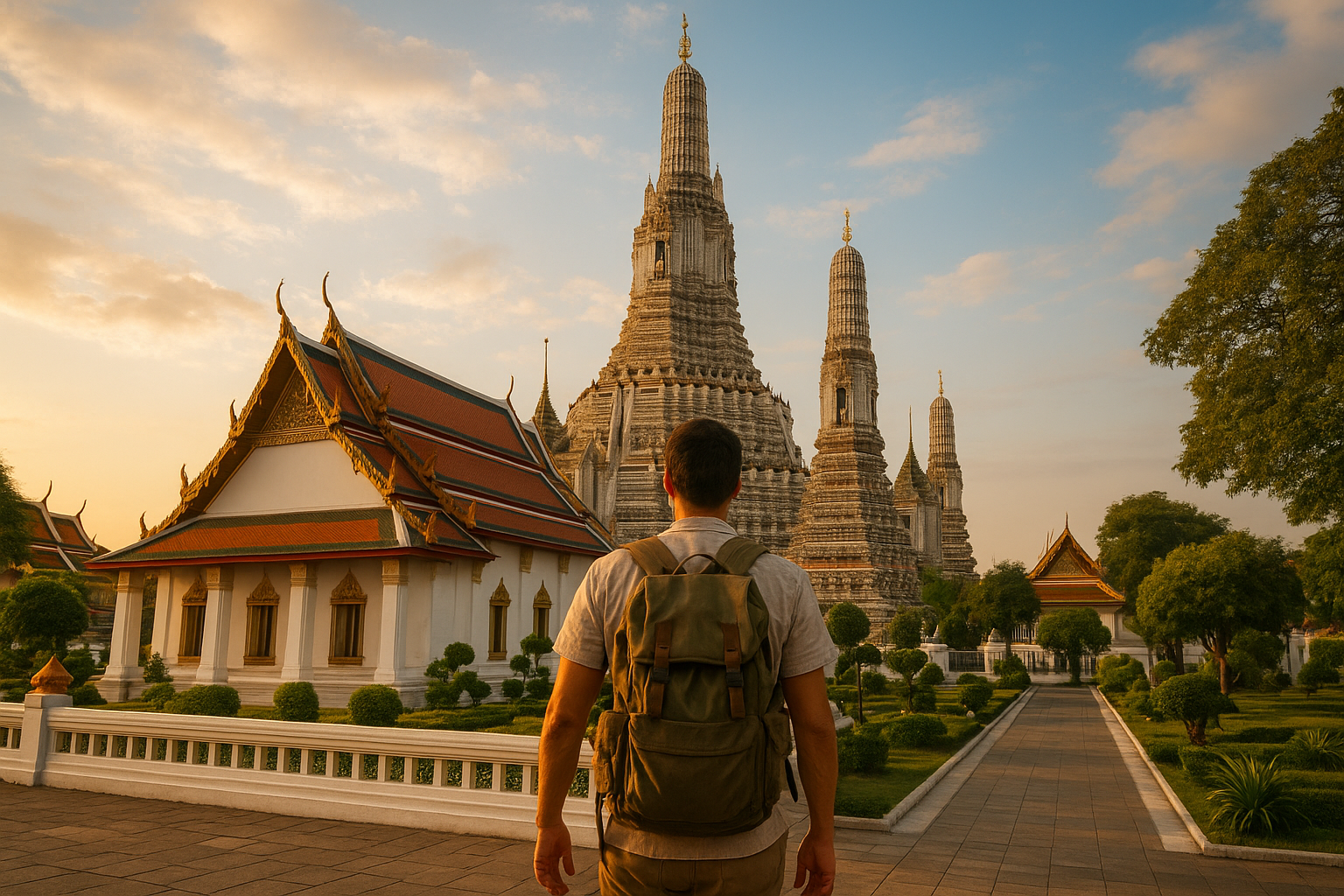
    Pilgrimage, an ancient tradition, is seeing a modern revival. From the mountains of Nepal to the deserts of the Middle East, these spiritual journeys reconnect travelers to faith and self-discovery. These are not vacations in the conventional sense but quests—journeys where the destination holds less value than the insights uncovered along the way.

    “There is something divine and mystically uplifting about trips that go beyond leisure and tap into the extraordinary,” says Heather Greenwood Davis, a travel writer who frequently explores spirituality in her works.

    Seeking Solitude in Nature

    Many spiritual explorers find inner peace and divine connection through nature retreats. The power of nature to heal and transform is increasingly embraced by avid spiritual adventurers. Consider the tranquil beauty of Japan’s Kumano Kodo—sacred trails that weave through dense forests and sacred sites. This UNESCO World Heritage site provides a setting for meditation and communion with the divine.

    • Mount Kailash: Nestled in Tibet’s remote region, this mountain is sacred to several faiths. Pilgrims often embark on a demanding journey to walk its 52 km (32 miles) circumferential trekking path.
    • Camino de Santiago: Spanning France and Spain, this pilgrimage route draws thousands annually who seek connection, history, and personal introspection.

    Engaging with Indigenous Wisdom

    Many seekers are drawn to indigenous cultures, looking to immerse themselves in ancient rituals and teachings. These experiences often transform one’s perspective on life, fostering a deeper understanding of humanity’s interconnectedness with the environment.

    “People each have their own reasons for going to Machu Picchu—some seek adventure, others find spiritual significance in the ‘Lost City of the Incas,’” notes Rough Guides.

    Conclusion

    For those plagued by a craving for deeper meaning, spiritual adventures across unknown lands offer respite from the everyday. As travelers discover the divine in unexpected places, they bring back not just souvenirs but transformative experiences, which resonate with an inner depth that few other forms of travel provide.

  • Zen Gardens of the Mind – Cultivating Inner Peace Through Meditation

    Zen Gardens of the Mind – Cultivating Inner Peace Through Meditation

    Zen Gardens of the Mind: Cultivating Inner Peace Through Meditation

    In an increasingly chaotic world, finding a sanctuary of peace within oneself is essential. Many have turned to meditation as a tool to cultivate an inner zen garden—a space where tranquility and clarity can flourish.

    The Philosophy and Origins of Zen Gardens

    Zen gardens, also known as karesansui or dry landscape gardens, originated in Japan as a means of promoting meditation. These gardens are not designed for relaxation or recreation but serve as an aid to spiritual contemplation.

    “Zen gardens are a representation of simplicity, minimalism, and the profound beauty of nature presented in the most elemental manner.”

    The elements used in traditional Zen gardens—rocks, gravel, and sand—symbolize various aspects of nature, such as mountains, rivers, and seas. The deliberate placement of these elements encourages mindfulness and a deep appreciation for the present moment.

    Meditation: The Gateway to Inner Landscapes

    Much like tending to a physical Zen garden, meditation allows one to meticulously cultivate an internal environment of peace and mindfulness. By focusing inward, individuals can transform their mental landscapes into serene havens.

    • Mindfulness Meditation: A practice centered around being fully present, where you observe thoughts and feelings without judgment. It can be likened to viewing the shifting sands of a Zen garden.
    • Focused Meditation: Involves concentrating on a single point, such as the breath or a mantra, akin to fixing one’s gaze on a stone in the garden while disregarding distractions.
    • Visualization Meditation: Engaging the mind in vivid imagery, possibly picturing oneself raking patterns in the sand, thus cultivating a sense of calm and order.

    These meditation practices serve different purposes but ultimately guide one towards enhanced self-awareness and emotional equilibrium.

    Scientific Insights into Meditation’s Benefits

    Extensive research supports the positive impact of meditation on mental health. Studies published in the National Center for Biotechnology Information reveal that consistent meditation can reduce symptoms of anxiety and depression, improve attention span, and foster a greater sense of well-being.

    “Meditation not only relaxes the mind but alters brain chemistry, promoting the production of serotonin and endorphins—the ‘feel good’ hormones.”

    These findings underscore the potential of meditation as a powerful tool for cultivating inner peace and enhancing overall quality of life.

    Designing a Personal Zen Meditation Practice

    Creating a personal meditation practice that mimics the principles of a Zen garden requires dedication and mindfulness. Below are steps to help you nurture your inner garden:

    • Set an Intention: Define what you hope to achieve through meditation, whether it’s stress reduction, increased focus, or emotional balance.
    • Choose a Suitable Time and Place: Like a gardener selects the right tools and timing, choose a quiet and comfortable space and a consistent time of day for meditation.
    • Start Small and Build Gradually: Start with short meditation sessions of 5-10 minutes and gradually increase the duration as you become more comfortable with the practice.
    • Incorporate Nature: If possible, meditate outdoors or incorporate elements of nature in your surroundings, such as plants or ambient nature sounds.
    • Employ Guided Meditations: Utilize resources such as guided meditation apps or online videos to help focus your practice.

    Conclusion: The Path to Inner Harmony

    The tranquility of a Zen garden extends beyond physical boundaries and into the realms of the mind. Through meditation, we can create an internal sanctuary reflective of these beautifully crafted spaces, inviting stillness and clarity into our lives.

    Ultimately, the journey to cultivating inner peace through meditation is deeply personal yet universally beneficial. As H. A. Kanamori, a noted Zen scholar, eloquently states, “The true purpose of Zen gardens is to mirror the inner state of the soul, to reflect its purity and calm.” In this way, we can all learn to nurture our own Zen gardens of the mind.

  • Divine Gong Resonances – Healing Vibrations from the Cosmos

    Divine Gong Resonances – Healing Vibrations from the Cosmos

    Divine Gong Resonances: Healing Vibrations from the Cosmos

    The ancient art of sound healing has been revered for its profound impact on the mind, body, and spirit. Among the numerous instruments used in this practice, the gong stands out for its ability to produce powerful healing vibrations. Rooted in centuries-old traditions, gong resonances are believed to harness the cosmic vibrations, offering a pathway to spiritual awakening and physical restoration.

    “The sound of the gong is the sound of creativity itself. One who plays the gong plays the Universe.”
    — Yogi Bhajan [source]

    The Historical Significance of Gongs

    Gongs have a rich history that dates back thousands of years, particularly in Asia. These instruments have been used in rituals and ceremonies across various cultures, including China, Tibet, and India. Traditionally, gongs were crafted by skilled artisans, who imbued each piece with unique characteristics and spiritual significance.

    • Chinese Tradition: In ancient China, gongs were employed in ceremonies and military actions to command attention and convey messages over long distances.
    • Tibetan Uses: Tibetan monasteries used gongs during meditation practices to aid in spiritual attainment and to elevate the consciousness of practitioners.
    • Indian Heritage: Gongs were integral in Indian music and spiritual rituals, where sound was a means of connecting with the divine.

    The Science Behind Gong Vibrations

    The resonances produced by gongs are more than just musical notes; they are complex overtones and harmonics that interact with the human body on a cellular level. The science of sound healing suggests that these vibrations can alter brain wave patterns, promote relaxation, and enhance mental clarity. According to the principles of cymatics, the study of visible sound vibrations, the frequencies created by gongs can induce profound healing benefits.

    Dr. John Beaulieu, a notable figure in the field of sound healing, explains that “the body can be ‘tuned’ by sound vibrations to return to its natural state of harmony.”

    The Healing Effects of Gong Resonances

    The therapeutic use of gong sounds encompasses an array of benefits. Sound therapists and practitioners advocate for its use in:

    • Stress Reduction: The deep, resonant sounds of the gong invoke a state of deep relaxation, reducing anxiety and fostering a sense of calm.
    • Meditation Aid: Gong baths, or sessions where individuals are enveloped in vibrational waves, enhance meditation practices by helping to silence the mind and deepen introspection.
    • Emotional Release: The power of sound vibrations can reach deep emotional states, facilitating the release of suppressed emotions and trauma.
    • Physical Healing: On a physiological level, the vibrations of the gong can stimulate the glandular system, improve circulation, and promote the flow of chi or life force energy throughout the body.

    Experiencing a Gong Bath

    Participating in a gong bath is an immersive experience. It typically involves lying down comfortably while a sound therapist plays the gong. The session allows individuals to enter a meditative state as the sound waves wash over them. Practitioners often report feelings of rejuvenation, clarity, and intense well-being following a gong bath.

    “A sound bath…takes the form of a meditation class while listening to resonant sounds played with various instruments, like gongs,” writes Valeriya Safronova for The New York Times.

    The Spiritual Dimensions of Gong Practice

    Beyond the physical and mental benefits, gong resonances are closely linked with spiritual growth and exploration. Many spiritual traditions emphasize the importance of sound as a connection to higher consciousness. In yogic teachings and Kundalini yoga, the vibrations from gongs are seen as aligning practitioners with cosmic frequencies, awakening spiritual awareness.

    A seasoned practitioner, Guru Jagat, once noted, “The gong works on all levels to heal and transform – the physical, mental, emotional and spiritual comprehensions are at once addressed.” This holistic approach positions the gong as a sacred tool for achieving total harmony.

    Conclusion: Embracing the Cosmic Symphony

    Gongs are more than percussion instruments; they are conduits of cosmic energy. While modern science continues to explore and validate the effects of sound healing, the ancient wisdom surrounding gong practices remains steadfast in its assertion of the instrument’s power. As we listen to and embrace these divine vibrations, we open ourselves to universal harmony, healing, and enlightenment.

    Whether you are looking for relaxation, physical healing, or spiritual awakening, the gong offers a transcendent experience. Immerse yourself in the divine resonances and let your journey to cosmic healing begin.

  • Mystical Fusion of Faiths – Abrahamic Wisdom Meets Buddhist Tranquility

    Mystical Fusion of Faiths – Abrahamic Wisdom Meets Buddhist Tranquility

    Mystical Fusion of Faiths: Abrahamic Wisdom Meets Buddhist Tranquility

    In a world often characterized by religious division and doctrinal exclusivity, an intriguing synthesis is unfolding at the intersection of Abrahamic traditions and Buddhist philosophy. While these faiths appear to diverge significantly, the quest for inner peace and wisdom bridges these spiritual paths, weaving a tapestry of beliefs and practices that resonate across cultures and continents.

    Sacred Texts and Teachings

    • Abrahamic Wisdom: The Abrahamic faiths—Judaism, Christianity, and Islam—base their teachings on sacred texts such as the Torah, Bible, and Quran. These scriptures advocate for a life of righteousness, justice, and devotion to one God.

      “The fear of the Lord is the beginning of wisdom, and knowledge of the Holy One is understanding.” – Proverbs 9:10

    • Buddhist Tranquility: In contrast, Buddhist teachings originating from the Tipitaka focus on inner peace through mindfulness, compassion, and the understanding of the Four Noble Truths.

      “Peace comes from within. Do not seek it without.” – Buddha

    Common Ground

    Despite their differences, a growing number of individuals and spiritual leaders seek to explore the common ground shared by these traditions:

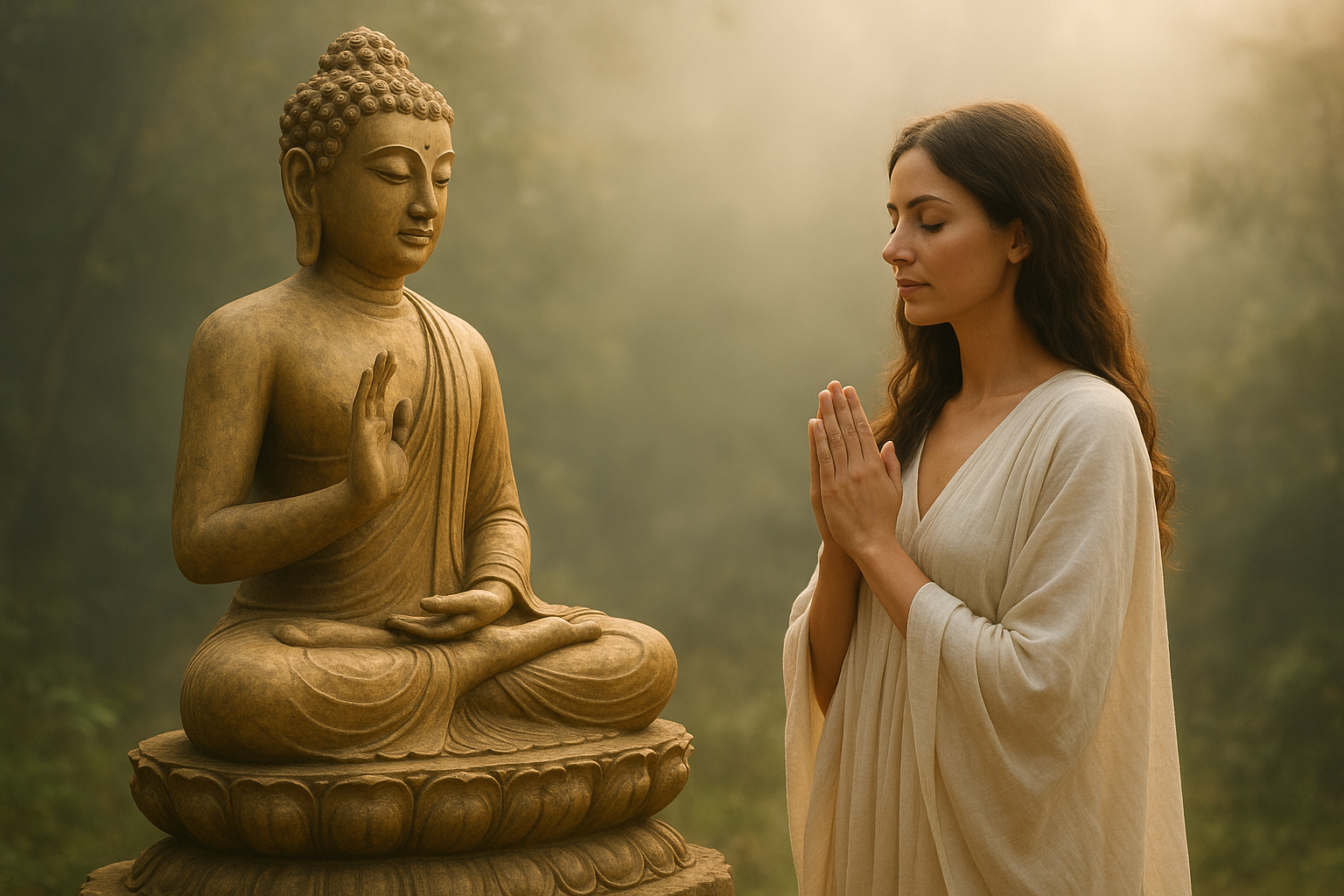
    • Prayer and Meditation: Both traditions value the transformative power of prayer and meditation. While prayer in Abrahamic faiths is often a communication with a personal God, meditation in Buddhism focuses on achieving a state of mindful awareness and compassion.
    • Ethical Conduct: The ethical guidelines in both traditions emphasize kindness, honesty, and non-violence as pathways to personal and communal harmony.

    Modern Synthesis

    Contemporary thinkers and spiritual leaders often advocate for a synthesis of Abrahamic and Buddhist principles to promote a holistic approach to spirituality:

    • Thich Nhat Hanh: The Vietnamese Buddhist monk, in his book Living Buddha, Living Christ, draws parallels between Buddhist teachings and Christian values, highlighting mutual aspirations towards love and compassion.
    • Interfaith Dialogues: Numerous interfaith initiatives around the world encourage dialogue and understanding, promoting peace by focusing on shared values and combined wisdom.

    The mystical fusion of Abrahamic wisdom and Buddhist tranquility offers a promising path towards personal growth and global understanding. As individuals explore these timeless insights, they contribute to a greater tapestry of interconnected belief, transcending traditional boundaries to embrace a more harmonious coexistence.