Washing the Spirit – The Clinical and Spiritual Benefits of a Gong Bath
In today’s fast-paced world, it’s easy to get caught up in the hustle and bustle of daily life and forget to prioritize our well-being. A gong bath is a unique and powerful tool that can help us wash away stress and anxiety, leaving us feeling refreshed and rejuvenated.
Clinical Benefits
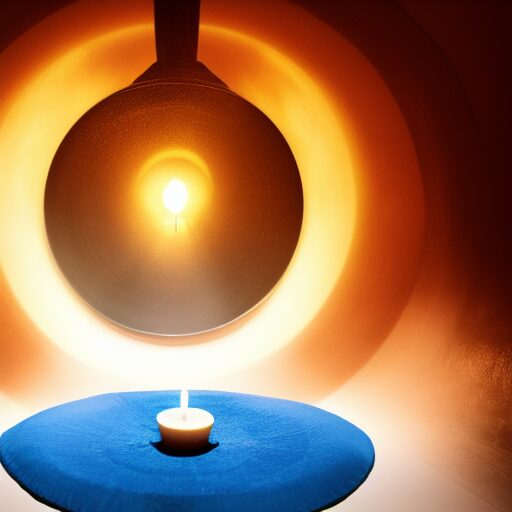
A gong bath is an immersive sound healing experience that involves lying down on a mat while being surrounded by the deep resonant tones of a gong. The vibrations from the gong have been shown to:
- Reduce stress and anxiety: Studies have found that listening to gong music can lower cortisol levels, heart rate, and blood pressure, indicating a reduction in stress.
- Improve sleep: The soothing vibrations of the gong have been shown to promote relaxation and help individuals fall asleep faster and stay asleep longer.
- Pain relief: The sound waves from the gong have been known to reduce pain perception, making it a valuable tool for those suffering from chronic pain.
Spiritual Benefits
Beyond its clinical benefits, a gong bath can also be a deeply spiritual experience. Many people report feeling:
- Connected to the universe: The vibrations of the gong are said to align our energy with the natural world, fostering a sense of unity and interconnectedness.
- Emotionally released: As we allow ourselves to let go of emotional baggage, we can feel lighter, freer, and more at peace.
- Mindfulness increased: The gong bath encourages us to be present in the moment, letting go of distractions and tuning into our inner selves.
A Unique Experience
A gong bath is a unique experience that can’t be replicated with other forms of sound healing. The vibrations from the gong are unlike any other instrument, creating a truly immersive environment.
As noted by gong master and spiritual leader, Don Conreaux, “The gong is not just an instrument, it’s a doorway to the cosmos. When you’re in front of the gong, you’re not just listening to music, you’re tuning into the universe.”
Try It Out
If you’re interested in experiencing the clinical and spiritual benefits of a gong bath for yourself, there are many qualified practitioners and studios around the world offering this unique therapy. You can also explore online resources and recordings to get started.
As Dr. Jeffrey Thompson, founder of the HeartMath Institute, notes, “The power of sound is not just in the ears, it’s in the heart.”
Conclusion
Washing away stress and anxiety with a gong bath is an experience unlike any other. By immersing ourselves in the vibrations of the gong, we can reap both clinical and spiritual benefits that will leave us feeling refreshed, rejuvenated, and more connected to our true selves.
“The gong is not just an instrument, it’s a doorway to the cosmos.” – Don Conreaux