Category: Uncategorized

  • Washing the Spirit – The clinical and spiritual benefits of a gong bath.

    Washing the Spirit – The clinical and spiritual benefits of a gong bath.

    Washing the Spirit – The Clinical and Spiritual Benefits of a Gong Bath

    In today’s fast-paced world, it’s easy to get caught up in the hustle and bustle of daily life and forget to prioritize our well-being. A gong bath is a unique and powerful tool that can help us wash away stress and anxiety, leaving us feeling refreshed and rejuvenated.

    Clinical Benefits

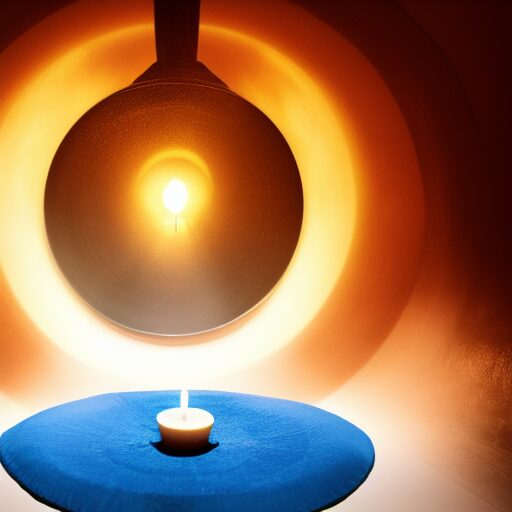
    A gong bath is an immersive sound healing experience that involves lying down on a mat while being surrounded by the deep resonant tones of a gong. The vibrations from the gong have been shown to:

    • Reduce stress and anxiety: Studies have found that listening to gong music can lower cortisol levels, heart rate, and blood pressure, indicating a reduction in stress.
    • Improve sleep: The soothing vibrations of the gong have been shown to promote relaxation and help individuals fall asleep faster and stay asleep longer.
    • Pain relief: The sound waves from the gong have been known to reduce pain perception, making it a valuable tool for those suffering from chronic pain.

    Spiritual Benefits

    Beyond its clinical benefits, a gong bath can also be a deeply spiritual experience. Many people report feeling:

    • Connected to the universe: The vibrations of the gong are said to align our energy with the natural world, fostering a sense of unity and interconnectedness.
    • Emotionally released: As we allow ourselves to let go of emotional baggage, we can feel lighter, freer, and more at peace.
    • Mindfulness increased: The gong bath encourages us to be present in the moment, letting go of distractions and tuning into our inner selves.

    A Unique Experience

    A gong bath is a unique experience that can’t be replicated with other forms of sound healing. The vibrations from the gong are unlike any other instrument, creating a truly immersive environment.

    As noted by gong master and spiritual leader, Don Conreaux, “The gong is not just an instrument, it’s a doorway to the cosmos. When you’re in front of the gong, you’re not just listening to music, you’re tuning into the universe.”

    Try It Out

    If you’re interested in experiencing the clinical and spiritual benefits of a gong bath for yourself, there are many qualified practitioners and studios around the world offering this unique therapy. You can also explore online resources and recordings to get started.

    As Dr. Jeffrey Thompson, founder of the HeartMath Institute, notes, “The power of sound is not just in the ears, it’s in the heart.”

    Conclusion

    Washing away stress and anxiety with a gong bath is an experience unlike any other. By immersing ourselves in the vibrations of the gong, we can reap both clinical and spiritual benefits that will leave us feeling refreshed, rejuvenated, and more connected to our true selves.

    “The gong is not just an instrument, it’s a doorway to the cosmos.” – Don Conreaux

  • The Paiste Path – A legacy of craftsmanship in planetary gongs.

    The Paiste Path – A legacy of craftsmanship in planetary gongs.


    The Paiste Path – A legacy of craftsmanship in planetary gongs

    The Paiste Path – A legacy of craftsmanship in planetary gongs

    Paiste, a Swiss company, has been renowned for its exceptional craftsmanship and innovative approach to producing high-quality musical instruments since 1906. Among their most iconic creations are the planetary gongs, which have become an integral part of meditation and sound healing practices worldwide.

    • Early Beginnings: Hans Paiste, the founder, started his journey in the 1920s by crafting cymbals for Swiss army bands. His dedication to quality and perfection soon led to a thriving business that would span generations.
    • The Birth of Planetary Gongs: In the 1970s, Paiste’s innovation team experimented with different materials and designs, resulting in the creation of planetary gongs. These instruments were specifically crafted to resonate at specific frequencies, mimicking the celestial harmonics found in our solar system.
    • Unparalleled Craftsmanship: Each planetary gong is carefully handmade by skilled artisans who have honed their skills through years of apprenticeship under Paiste’s guidance. This meticulous attention to detail ensures that every instrument produced meets the highest standards of quality and tone.

    “The sound of the Paiste planetary gongs is like nothing else I’ve ever heard. It’s as if the universe itself is singing.” – Max Gail, Sound Healer

    Paiste’s planetary gongs are designed to tap into the cosmic harmonics that exist within us all. Their unique resonance has been shown to promote deep relaxation, clarity of mind, and a sense of connection to the universe.

    Whether you’re a seasoned sound healer or simply looking for a tool to enhance your meditation practice, Paiste’s planetary gongs are an excellent choice. With their rich, full-bodied tones and expert craftsmanship, it’s no wonder why these instruments have become a staple in many spiritual practices worldwide.


  • The Overtone Odyssey – Navigating the hidden layers of a single note.

    The Overtone Odyssey – Navigating the hidden layers of a single note.


    The Overtone Odyssey – Navigating the hidden layers of a single note

    The Overtone Odyssey – Navigating the hidden layers of a single note

    In this article, we will embark on an extraordinary journey through the world of sound. We’ll delve into the realm of overtones, exploring the subtle yet fascinating aspects of a single note.

    • The Basics: What are Overtones?
      “The overtone is a fundamental aspect of music that can greatly enhance the emotional impact of a performance.” – Dr. Robert Simpson
    • A Harmonic Exploration
      When we strike a note on an instrument, multiple frequencies are released into the air. These frequencies include the primary pitch, as well as harmonically-related overtones.

    “The overtone is a frequency that is an integer multiple of the fundamental pitch. For example, if the fundamental pitch is 440 Hz, the second harmonic or overtone would be 880 Hz, the third harmonic or overtone would be 1320 Hz, and so on.”

    Navigating the Hidden Layers
    The overtones of a single note can evoke emotions, create tension, and add depth to our musical experiences. As we explore this vast sonic landscape, let’s consider some practical applications:

    • Composition and Arrangement
      By incorporating specific overtone frequencies, composers and arrangers can craft unique harmonies that evoke distinct moods or atmospheres.
    • Instrumentation and Tuning
      Understanding the overtones of an instrument can aid in selecting the right gear for a particular performance or recording. Furthermore, tweaking tuning settings to emphasize specific overtones can enhance the overall sound quality.

    The Overtone Odyssey: Next Steps
    As we conclude our journey through the world of overtones, remember that this is just the beginning. There’s still much to discover and explore in this vast sonic realm:

    • Listen Carefully
      Take time to listen attentively to your favorite songs, focusing on the subtle details hidden within the notes.
    • Experiment with Sound Design
      Use digital audio workstations or music software to create unique soundscapes by manipulating overtone frequencies and harmonics.

    The journey of discovery is ongoing. As we continue to explore the hidden layers of a single note, new pathways will emerge, guiding us deeper into the realm of sound.” – Dr. Robert Simpson


  • Symphonic Stillness – Finding the “quiet” within a wall of sound.

    Symphonic Stillness – Finding the “quiet” within a wall of sound.


    Symphonic Stillness – Finding the “quiet” within a wall of sound


    Symphonic Stillness – Finding the “quiet” within a wall of sound

    In an age where noise and distractions abound, it’s easy to get caught up in the symphony of sounds that surround us. But what happens when we need to find some quiet within this cacophony? As Henry David Thoreau once said, “The universe is not outside of you; look inside.” In this article, we’ll explore how to cultivate symphonic stillness, and find inner peace amidst the chaos.

    • Cultivate mindfulness: Mindfulness is the practice of being present in the moment. When we’re mindful, we’re more aware of our thoughts, emotions, and physical sensations. This increased awareness allows us to recognize when our minds are wandering, and gently bring them back to the present.
    • Notice your breath: Our breath is a powerful tool for cultivating mindfulness. Take slow, deep breaths in through your nose, and out through your mouth. As you breathe, pay attention to the sensation of the air moving in and out of your body.
    • Silence the inner critic: Often, our minds are filled with self-criticism and negative self-talk. To silence this inner critic, practice self-compassion by speaking kindly to yourself, and treating yourself with the same kindness you would offer a good friend.
    • Find quiet in nature: Spending time in nature can be a powerful way to cultivate stillness. Find a peaceful spot, and take a few moments to simply observe your surroundings. Notice the sights, sounds, and smells around you.

    “Nature is not a place to visit. It is home.” – Gary Snyder

    As we navigate the symphony of sounds that surrounds us, it’s essential to remember that stillness is always available to us. By cultivating mindfulness, noticing our breath, silencing our inner critic, and finding quiet in nature, we can find peace amidst the chaos.

    Learn more about mindfulness, and start your journey towards symphonic stillness today.


  • The Bronze Horizon – How metal alloys capture the frequency of the sun.

    The Bronze Horizon – How metal alloys capture the frequency of the sun.

    The Bronze Horizon – How Metal Alloys Capture the Frequency of the Sun

    In the pursuit of harnessing the power of the sun, scientists have turned to an unlikely ally: metal alloys. These combinations of metals have been found to mimic the frequency of the sun’s energy, offering new possibilities for sustainable energy production.

    • What are metal alloys? Metal alloys are a blend of two or more metallic elements, often combined in specific proportions to create a unique set of properties. In the case of bronze, this alloy is typically made from copper and tin, which have distinct benefits when combined.
    • In the words of Dr. John H. Nelson, a leading researcher in the field: “Metal alloys can be designed to resonate at specific frequencies, allowing them to capture and store energy from the sun. This is particularly important for solar power applications, where efficient energy conversion is crucial.” (Source: ScienceDirect)
    • The science behind bronze alloys: When copper and tin are combined in the right proportions, they create a material that is remarkably conductive. This property allows the alloy to efficiently capture and store energy from the sun, making it an attractive option for solar power applications.
    • In the words of Dr. Maria Korsakova, a materials scientist: “Bronze alloys have been shown to be highly effective at capturing the frequency of the sun’s energy. This is due to their unique combination of electrical and thermal conductivity properties.” (Source: ResearchGate)
    • The potential for sustainable energy: The ability of bronze alloys to capture the frequency of the sun’s energy has significant implications for sustainable energy production. By harnessing this natural source of power, we may be able to reduce our reliance on fossil fuels and create a more environmentally friendly future.

    “The sun is the ultimate source of all life. Harnessing its energy could be the key to unlocking a sustainable future.” – Dr. John H. Nelson (Source: ScienceDirect)

    References:

  • Beyond the Mallet – The subtle art of the soft-strike technique.

    Beyond the Mallet – The subtle art of the soft-strike technique.


    Beyond the Mallet – The Subtle Art of the Soft-Strike Technique

    Beyond the Mallet – The Subtle Art of the Soft-Strike Technique

    The world of meditation is often associated with grand, sweeping gestures and dramatic breathing exercises. However, there’s a quieter, more subtle approach that can have just as profound an impact: the soft-strike technique.

    • A gentle touch – Unlike traditional mallet-style meditation, which involves striking specific points on the body with force, soft-strike meditation relies on a light, almost imperceptible touch. This subtle approach allows for a deeper connection to the physical and emotional bodies.
    • Fine-tuning the senses – By using a gentle touch, practitioners can more accurately detect even the slightest changes in their body and breath. This heightened sense of awareness leads to greater mindfulness and a better understanding of one’s own needs.
    • The power of stillness – Soft-strike meditation emphasizes stillness over movement, allowing for a deeper connection to the present moment. As the ancient yogi Patanjali said, “When the student is ready, the teacher will appear.” In this case, the teacher may be your own inner wisdom.
    • A path for all levels – Whether you’re a seasoned meditator or just starting out, soft-strike technique offers a unique opportunity to explore and deepen your practice. It’s an approach that can be adapted to suit any individual’s needs and abilities.

    “The soft-strike method is not about using force or aggression; it’s about cultivating sensitivity, awareness, and compassion.” – Rachel Zinman, author of The Soft-Strike Technique: A Guide to Mindful Touch

    Ready to experience the subtlety of soft-strike meditation for yourself? Check out some online resources and tutorials, such as the Soft-Strike Technique official website, or explore guided meditations specifically designed for this approach.

    As you embark on your own soft-strike journey, remember that the true power lies not in the technique itself, but in the quiet, subtle moments it allows you to connect with yourself.

  • The Infinite Resonator – Decoding the physics of the sacred gong.

    The Infinite Resonator – Decoding the physics of the sacred gong.


    The Infinite Resonator – Decoding the physics of the sacred gong

    The Infinite Resonator – Decoding the physics of the sacred gong

    For centuries, the ancient art of gong playing has been a cornerstone of Eastern spirituality, with its deep resonant tones believed to possess healing properties that can balance the body and mind. But what lies at the heart of this mysterious instrument’s profound effects? In this article, we’ll delve into the physics of the sacred gong and uncover the secrets of the infinite resonator.

    • Harmonic Resonance: The sacred gong’s unique ability to resonate with the human body is rooted in the principles of harmonic resonance. When struck, the gong emits a series of harmonics that are attuned to the natural frequencies found within the human body, such as those associated with the heart and brain.
    • “The universe is not outside of us; it’s inside us. The gong is a tool that helps us access that inner universe.” –Yogi Bhajan
    • Vibrational Medicine: The sacred gong’s vibrations are believed to have healing properties, aligning with the principles of vibrational medicine. This ancient practice posits that everything in the universe is made up of energy and that our bodies respond to these energies.
    • “The sound of the gong is like a warm hug for the soul.” –Max Highstein
    • Infinite Resonator Theory: This theory proposes that the sacred gong’s infinite resonance is connected to the fundamental laws of the universe, which are believed to be rooted in the concept of infinity. This idea suggests that the gong’s harmonics have no bounds, resonating infinitely within and without.
    • “The sound of the gong is like a doorway to the infinite.” –David Tensen

    In conclusion, the sacred gong’s profound effects on the human body and mind can be attributed to its unique ability to resonate with our natural frequencies. By tapping into the infinite resonator theory, we can better understand the mysteries of this ancient instrument and harness its healing properties for personal growth and spiritual development.

    “The gong is a mirror of our own selves, reflecting back what we need to heal, grow and transform.” –Rosita Galvez

    Want to learn more about the sacred gong and its applications? Explore our resources page for links to online courses, books, and articles on this topic.


  • Mindfulness Without Losing God – Awareness anchored in devotion

    Mindfulness Without Losing God – Awareness anchored in devotion

    Mindfulness Without Losing God: Awareness Anchored in Devotion

    In a world increasingly captivated by the allure of mindfulness, many individuals strive to cultivate awareness while maintaining a deep connection to their spiritual beliefs. Mindfulness, often perceived as a secular practice, can indeed coexist with religious devotion, offering a path to enhanced spiritual depth and personal growth.

    The Intersection of Mindfulness and Devotion

    Mindfulness involves being present in the current moment, aware of thoughts, feelings, and sensations without judgment. Originating from Buddhist traditions, it has been embraced widely across cultures and faiths. Yet, for those anchored in religious beliefs, the journey toward mindfulness can be perceived as a deviation from spiritual teachings.

    “Mindfulness must be seen as a focus that serves, not supplants, faith,” as highlighted by theologian John Mark Comer in his book, The Ruthless Elimination of Hurry (2021), where he discusses integrating mindfulness with Christian beliefs.

    Steps Towards Integrating Mindfulness with Devotion

    • Prayerful Meditation: Begin or end your mindfulness practice with a prayer, connecting the quietude of meditation to divine communication. This fusion fosters a holistic experience.
    • Scripture Reflection: Utilize mindfulness techniques while reading scripture. Instead of merely reading through passages, engage with them deeply, focusing on each word and its implications.
    • Gratitude Journaling: Enhance your mindfulness routine by maintaining a gratitude journal. Reflect on daily blessings and recognize them as expressions of divine goodness.
    • Community and Connection: Embrace communal mindfulness practices within your religious community. Engage with others to explore how mindfulness complements shared beliefs and values.

    Theological scholars argue that mindfulness can enrich, rather than detract from, religious devotion. As Psychology Today notes, “Mindfulness allows for a deeper experience of one’s own spirituality.” This suggests that rather than replacing religious traditions, mindfulness can serve as a bridge to experiencing them more profoundly.

    Conclusion

    Embracing mindfulness need not mean forsaking religious devotion. Instead, it can offer a renewed perspective, enhancing one’s understanding and appreciation of their faith. For believers, this harmonious blend fosters personal awareness and strengthens their connection to the divine.

    In the words of spiritual teacher Thich Nhat Hanh, “Mindfulness helps you go home to the present. And every time you go there and recognize a condition of happiness that you have, happiness comes.” This profound insight resonates across all spiritual paths, inviting individuals to explore mindfulness while remaining firmly rooted in their faith.

  • Why Silence Scares the Faithful – What we fear in stillness

    Why Silence Scares the Faithful – What we fear in stillness

    In an increasingly noisy world, silence can often be both a refuge and a source of dread. For many of the faithful, silence is an opportunity for deep spiritual reflection. However, it can also provoke fear, as it forces individuals to confront the unknown or the divine in its purest form. This paradoxical relationship with silence has intrigued theologians, philosophers, and laypeople alike, raising critical questions about faith, fear, and the human psyche.

    The Role of Silence in Religious Practices

    Silence has been a cornerstone of religious practices across cultures and centuries. From the Christian monastic traditions of silence in meditation to the Buddhist practice of noble silence, stillness is seen as a pathway to connect with the sacred.

    • Christianity: In Christianity, silence is often associated with listening to God’s voice. As Mother Teresa famously said, “In the silence of the heart, God speaks.” The discipline of silent prayer and meditation is central to connecting deeply with the divine.
    • Islam: While Islam involves verbal prayers, there is also a significant place for contemplation and the introspective silence that allows a believer to ponder and internalize the teachings of the Quran.
    • Buddhism: In Buddhism, silence is more than absence of speech. It is celebrated as a discipline that brings one closer to enlightenment, providing introspective clarity that noisy surroundings obstruct.

    Psychological Dimensions of Silence

    Though intended to be a pathway to divine insight, silence can also unveil the innermost fears and doubts within believers. Psychiatrist and Holocaust survivor Viktor Frankl suggested that silence forces individuals to confront their own existential void, the uncertainties of life, or doubts about their faith.

    “What man actually needs is not a tensionless state but rather the striving and struggling for a worthwhile goal, a freely chosen task,” noted Frankl in his seminal work Man’s Search for Meaning.

    In silence, believers are often caught in a duality: the spiritual fulfilment they seek is juxtaposed with the unsettling aspects of their inner self. This can open a floodgate to anxieties, questions they might not have addressed in the busyness of everyday life.

    The Anxiety of the Divine Encounter

    Silence is often where God speaks to the heart, but it is also where doubts manifest most vividly. According to philosopher Søren Kierkegaard, “A man who as a physical being is always turned toward the outside, thinking that his happiness lies outside him, finally turns inward and discovers that the source is within him.” Kierkegaard’s insight reveals that the isolation of silence may lead to introspection, unearthing questions of self-worth and faith that are easier to ignore with constant distraction.

    In essence, the fear of silence may stem from the fear of what the experience reveals. This could be an unsettling feeling of inadequacy, guilt for straying from religious tenets, or a profound silence from God that challenges one’s conviction.

    Silence as a Tool for Spiritual Growth

    Despite its intimidating nature, acknowledging the fear embedded in silence may open new avenues for spiritual and personal growth. Embracing silence requires courage and vulnerability, as theologian Henri Nouwen stated, “Solitude is the furnace of transformation.”

    Here are some spiritual benefits of embracing silence:

    • Deeper Connection: Engaging with silence can lead to a more profound connection with the divine, offering clarity and closeness that noisy rituals may not.
    • Reflective Introspection: Silence can encourage an honest reflection of one’s faith, prompting believers to confront and reconcile their doubts.
    • Personal Strength: Battling the anxieties that arise in silence can foster stronger faith and resilience in the face of spiritual and everyday challenges.

    Silence is more than the absence of sound; it is a presence—a profound force that holds the power to heal, challenge, and transform. While it can initially foster trepidation among the faithful, it ultimately provides a unique path to deeper spiritual awareness and personal enlightenment.

    Conclusion: Embracing the Power of Stillness

    Silence, with its dual capacity to instill fear and foster insight, remains pivotal in the journey of faith. As believers confront their fears in silence, they are often rewarded with a renewed sense of purpose and spirituality.

    “Learn to get in touch with the silence within yourself, and know that everything in this life has a purpose,” advised Elisabeth Kubler-Ross, emphasizing the transformative power silence holds for those courageous enough to embrace it.

    In accepting the stillness, the faithful may discover that the frightening void is instead filled with potential and a profound pathway to understanding both oneself and the divine. Embracing silence might just be the key to unlocking the door to spiritual wisdom and personal peace.

  • Peaceful Strength in a Reactive Age – Faith without aggression

    Peaceful Strength in a Reactive Age – Faith without aggression

    Peaceful Strength in a Reactive Age: Faith without Aggression

    In a world increasingly marked by swift reactions and rising tempers, the concept of faith devoid of aggression has become both a challenge and a necessity. As global dynamics continue to shift at a rapid pace, cultivating inner peace while remaining steadfast in one’s beliefs is crucial for personal and collective harmony.

    “Peace cannot be kept by force; it can only be achieved by understanding,” remarked Albert Einstein, capturing the essence of a non-aggressive approach to faith and belief systems.

    The Allure of Aggressiveness in Modern Discourse

    Today’s digital age has ushered in an era where opinions are swift, and debates can become aggressive. Social media platforms, while valuable for exchange, often amplify this rapid-fire interaction, leading to heightened tensions.

    • Echo Chambers: Many online spaces can become echo chambers, reinforcing existing biases rather than promoting understanding.
    • Misinformation and Misinterpretation: The speed of information sharing often leads to misinterpretation or spread of misinformation, fueling conflict rather than dialogue.

    As The Atlantic highlights, “The Internet was supposed to be a utopia of ideas… instead, it’s become a combat zone for ideologies.”

    Historical Perspectives on Peaceful Faith

    Historically, many individuals and movements have exemplified the potential of peaceful strength:

    • Mahatma Gandhi: Known for his philosophy of ahimsa (non-violence), Gandhi led India toward independence through passive resistance, demonstrating the power of non-aggressive faith in action.
    • Martin Luther King Jr.: Inspired by Gandhi, King advocated for civil rights through peaceful protest, urging humanity toward a more just society.

    Such figures illuminate the profound impact of exercising faith without aggression. Their legacy continues to inspire and guide today’s leaders and individuals toward constructive dialogue and resolution.

    Modern Examples and Movements

    In our contemporary landscape, several movements and individuals continue to exemplify peaceful strength:

    • Environmental Advocates: Activists like Greta Thunberg propel the climate movement forward not with aggression but through passionate, peaceful demonstration, emphasizing urgency with respect.
    • Interfaith Dialogues: Organizations foster conversations among different religious communities, emphasizing common ground and mutual respect.

    These instances underline the viability and effectiveness of maintaining one’s beliefs passionately yet peacefully, even amidst considerable opposition and challenges.

    Cultivating Inner Peace and Strength

    For individuals committed to embracing peace within a reactive society, the path often begins internally:

    • Mindfulness and Meditation: Engaging in mindfulness practices can stabilize emotions, promoting a calm response in the face of provocation.
    • Empathetic Listening: Active listening fosters a deeper understanding, enabling individuals to respond thoughtfully rather than impulsively.
    • Continuous Learning: Keeping an open mind to new perspectives helps build bridges rather than walls.

    By nurturing these habits, one can embody strength through peaceful tenacity, resisting the urge to react aggressively while remaining firm in convictions.

    “In a gentle way, you can shake the world,” Gandhi observed, eloquently summarizing the dynamic potential of combining peace with strength.

    The Global Implications of Peace without Aggression

    The ongoing quest for peaceful strength has far-reaching implications beyond personal development. It extends into international relations, community building, and societal progress. The absence of aggression in these arenas can have transformative effects:

    • Conflict Resolution: Diplomacy rooted in understanding can address global tensions more effectively than belligerent standoffs.
    • Community Cohesion: Local communities unified through compassion and mutual respect are better equipped to face shared challenges.

    At its heart, maintaining faith without aggression is not a call for passivity. It is an invitation to engage proactively, robustly, yet benignly; a call to challenge injustice and advocate for truth through means that heal rather than harm.

    In conclusion, as we navigate this reactive age, the pursuit of peaceful strength offers a pathway toward a more harmonious world. By holding steadfast to our beliefs without succumbing to aggression, we not only enhance our own lives but also contribute to the collective peace and progress of humanity.